Wood anti-blueing agent
Solves blue stain and blackening in wood panels, restoring their quality and appearance.
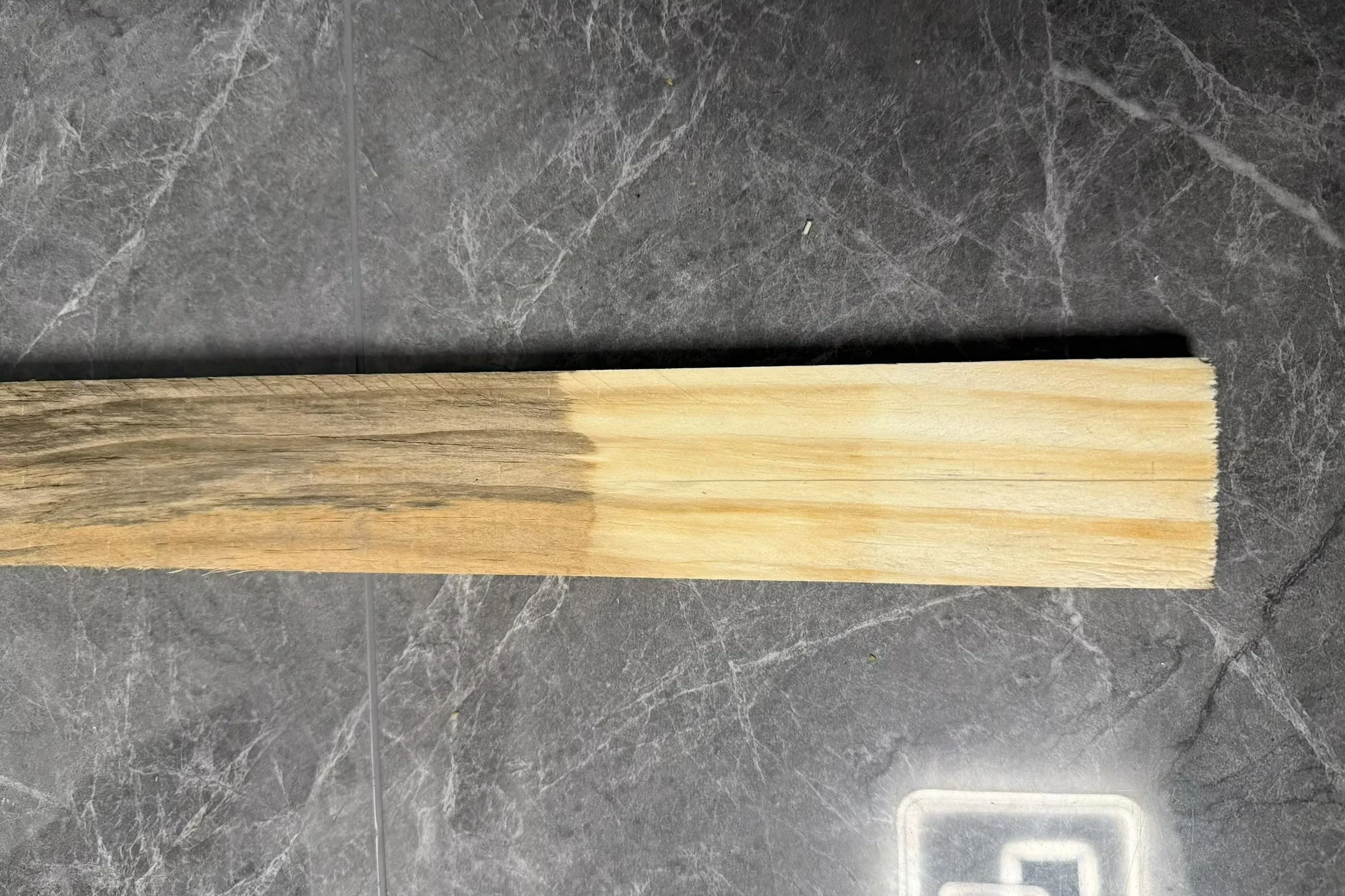
Product Overview
Blue-stain remover for wood is specifically designed to address blue staining and blackening in plywood, laminated boards, and similar materials. The product effectively breaks down blue-stain pigments, helping restore the original color of the boards. Suitable for both preventative treatment against blue stain and remediation of already affected boards, it is a commonly used solution in board processing facilities.
Suitable for Wood
Plywood, particleboard, and other wood panels exhibiting blue stain
Construction Method
Soak or spray treatment; adjust processing time based on the extent of blue stain.
Compliance Support
MSDS available; supports export compliance
Wood anti-blueing agentProduct Benefits
Wood ShieldWood anti-blueing agentEngineered for wood protection: efficient, long-lasting, and compliant.
Efficient Penetration
Wood anti-blueing agentFormulated with a specialized blend, it effectively penetrates deep into wood and establishes a durable protective barrier within the wood fibers. Optimized for varying densities and oil contents across species—including poplar, pine, masson pine, Chinese pine, mixed hardwoods, and plywood—it ensures uniform, long-lasting protection.
Persistent Protection
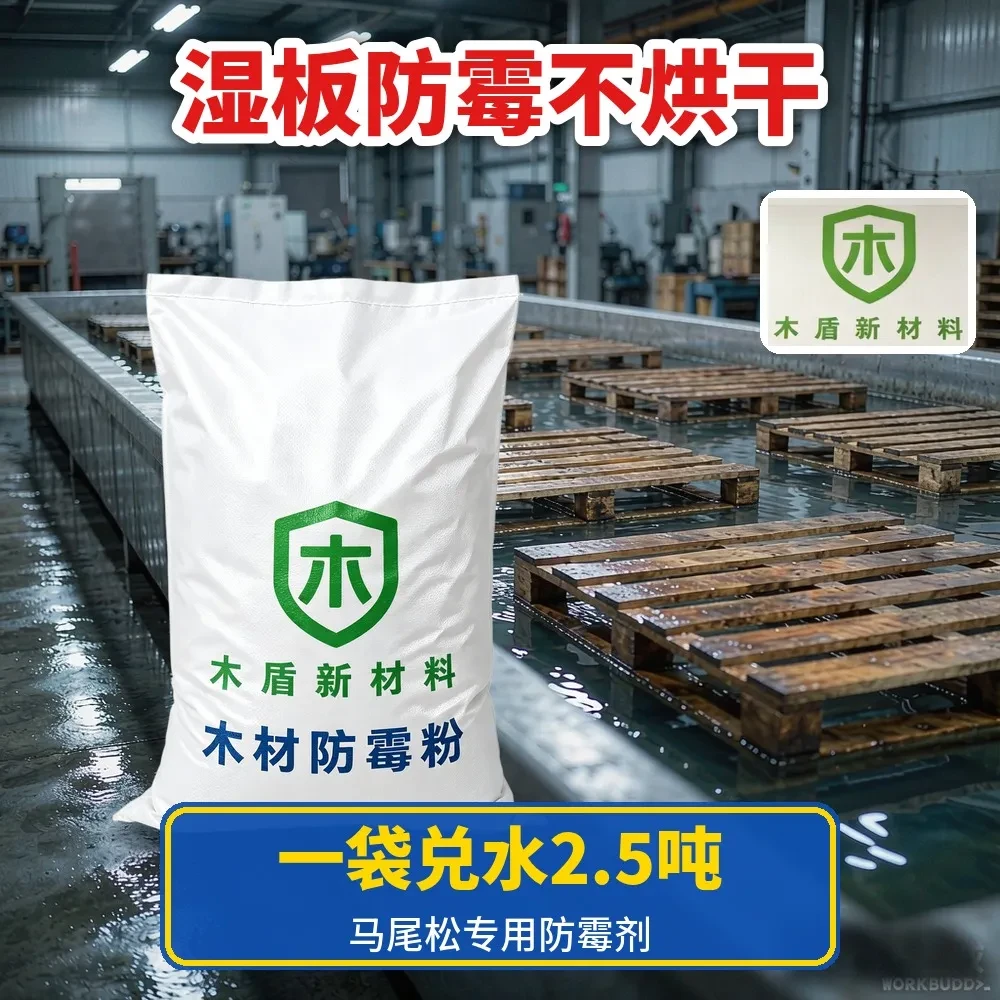
Treated wood continues to provide mold, decay, and blue stain protection during storage, transportation, and use. Depending on the environment, this protection can last from several months to several years.Mold-Resistant Powder with No-Dry RequirementFurthermore, it can proceed directly to the next processing stage after chemical treatment, saving space and energy.
Compliant Export
Mildew Prevention Effect ReferenceGB/T 18261-2013 "Test Method for Evaluating the Efficacy of Fungicides Against Wood Mold and Discoloration Fungi"Evaluation of test methods, providing complete MSDS safety data sheets and inspection reports. Complies with Southeast Asian foreign trade export requirements, including PPWR regulations and other international standards. The product has beenCNAS-accredited laboratoryDetect, helping wood pallet manufacturers, plywood plants, and lumber processing companies reduce trade barrier risks. Learn moreExport Service Details。
Technical Specifications
Wood anti-blueing agentDetailed Technical Specifications and Ingredients
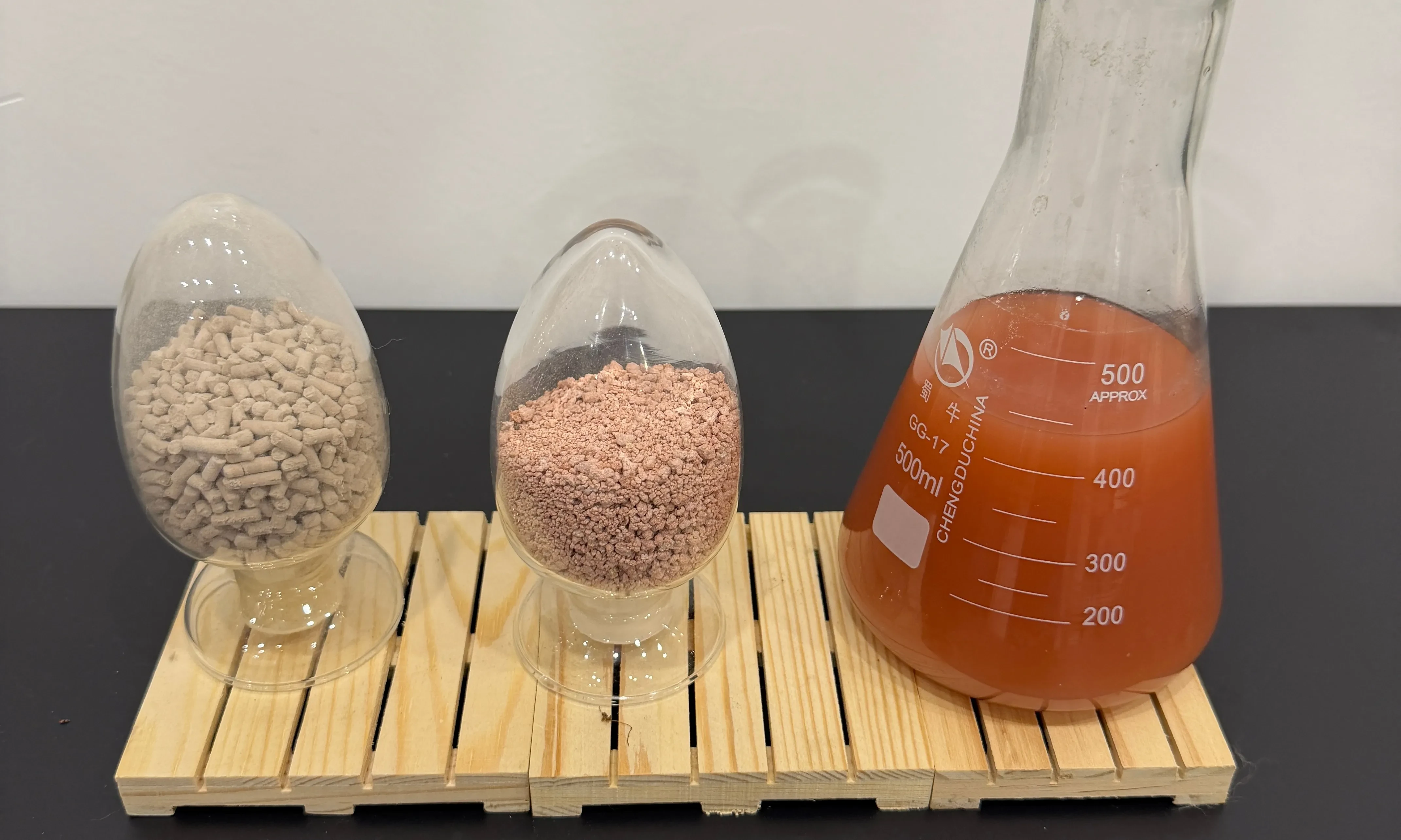
Pale yellow to brownish transparent liquid
6.5-8.0
1.05-1.12 g/cm³ at 20°C
Miscible with water in any proportion
Active ingredient content ≥ 12%
12 months (unopened, store in a cool, dry place)
Store in a cool, dry, and well-ventilated area. Avoid direct sunlight.
Wood anti-blueing agentApp Guide
Proper usage ensures optimal product performance.
Construction Steps
Dilute the wood blue stain remover with water at a ratio of 1:30 to 1:80 (adjust based on the severity of the blue stain), and mix thoroughly.
Immerse the wood completely in the solution to ensure thorough penetration into the wood.
Soak for 5-10 minutes (soaking method) to ensure thorough penetration of the medicinal solution.
Drain excess solution. The wood can proceed directly to the next processing stage while still wet, without waiting for drying.
Store treated wood in a well-ventilated, dry area. Protect from rain and prolonged direct sunlight.
Key Technical Points
- Dilution ratio: 1:30 to 1:80 (adjust based on the degree of blue stain); fine-tune according to wood species and moisture content.
- Chemical consumption: approximately 100-200 kg/m³ of wood
- Protection Period: Prevents blue mold recurrence for 6–12 months after treatment
- Different tree species (poplar, pine, Masson pine, Chinese pine, mixed wood, etc.) vary in water absorption and oil content; adjust the chemical concentration and soaking time accordingly.
- For export products, please prepare the MSDS and test reports in advance to ensure compliance with environmental regulations in the destination country.
- Start with a small-scale trial to verify effectiveness before proceeding with large-scale implementation.
- Wear protective gloves and a mask during installation. Ensure the work area is well-ventilated.
Applicable Scope
Wood anti-blueing agentSuitable for the following woods and applications
Suitable for Wood
Use Cases
Wood anti-blueing agentFAQ
AboutWood anti-blueing agentCommon questions about usage, effects, and pricing
Q1.What causes blue stain in wood?
Blue stain is a fungal discoloration of sapwood caused by the invasion of blue-stain fungi (such as *Ophiostoma* and *Meliola* species), commonly affecting susceptible species like pine, rubberwood, and Scots pine. The fungi proliferate rapidly in environments with humidity >20% and temperatures between 20–30°C, producing grayish-green or deep-blue pigments that discolor the wood surface. While blue stain does not compromise wood strength, it significantly affects appearance and commercial value.
Q2.What's the difference between bluing agents and bleach?
Suqian Mudun Anti-Blueing Agent specifically targets blue-stain pigments, delivering significant results on blue and green stains with minimal damage to wood fibers. In contrast, bleaches (e.g., hydrogen peroxide, oxalic acid) are broad-spectrum oxidizers that remove various pigments but risk over-bleaching the wood. For light staining, use the anti-blueing agent alone. For severe staining or when uniform color is required, apply the anti-blueing agent first, followed by a bleach for fine-tuning.
Q3.Will the wood revert to its original color after blue stain treatment?
Blue stain removers only eliminate existing discoloration and offer no ongoing protection. If mold prevention is not applied after treatment, wood may develop blue stain again in humid conditions. Suqian Mudun recommends a three-step process: remove blue stain → dry → apply anti-mold treatment. Anti-mold agents inhibit the regrowth of blue stain fungi, effectively resolving the issue at its source. Complete solutions are provided by Jiangsu Suqian's Mudun Anti-Mold Technology.
Q4.Can bleach be used on previously painted wood?
Not recommended. Blue stain removers must directly contact the wood fibers to work. On painted, varnished, or oiled surfaces, the coating blocks penetration. If blue stain appears on finished wood, first sand off the coating, apply the remover, then recoat. Suqian Mudun can provide process guidance.
Q5.How long does the blueing treatment take?
Adjust the treatment time for Suqian Mudun Wood Blue Stain Remover based on the severity of staining: - Mild (surface discoloration): soak for 10-15 minutes. - Moderate (discoloration extends 1-2mm deep): soak for 20-30 minutes. - Severe (discoloration deeper than 3mm): repeat treatment or extend to 1-2 hours. After treatment, rinse thoroughly with clean water and allow to dry before evaluating results.