Technical Solution
Provides 4 professional solutions tailored to different wood application scenarios.
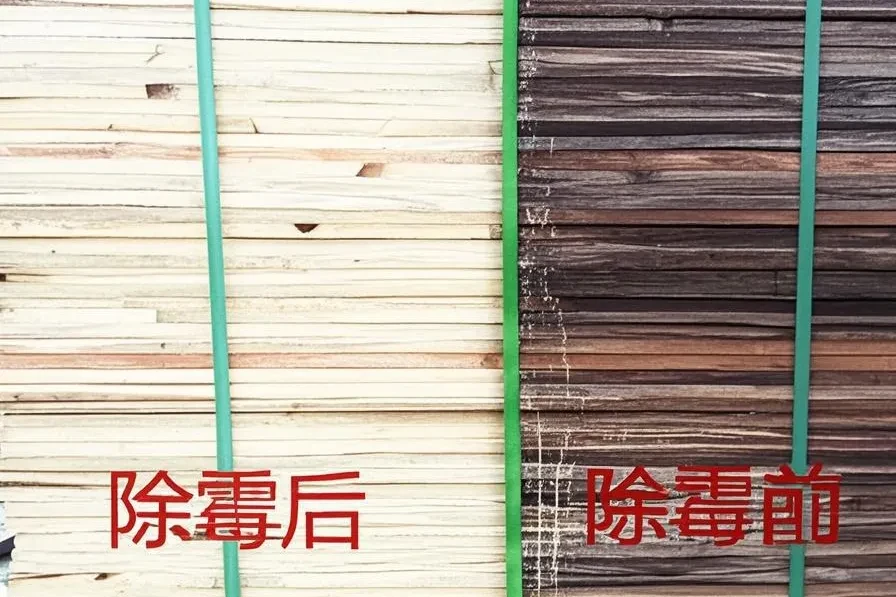
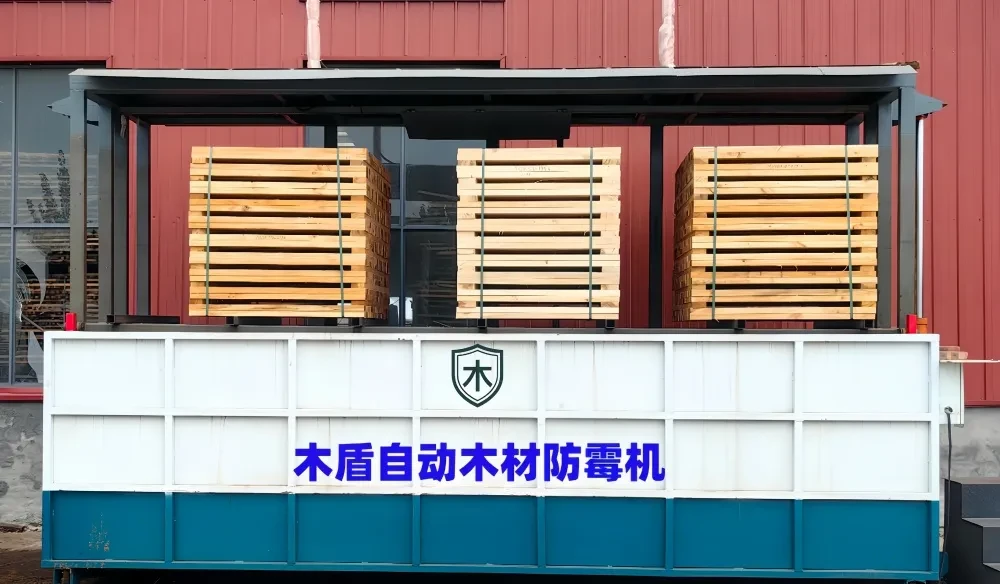

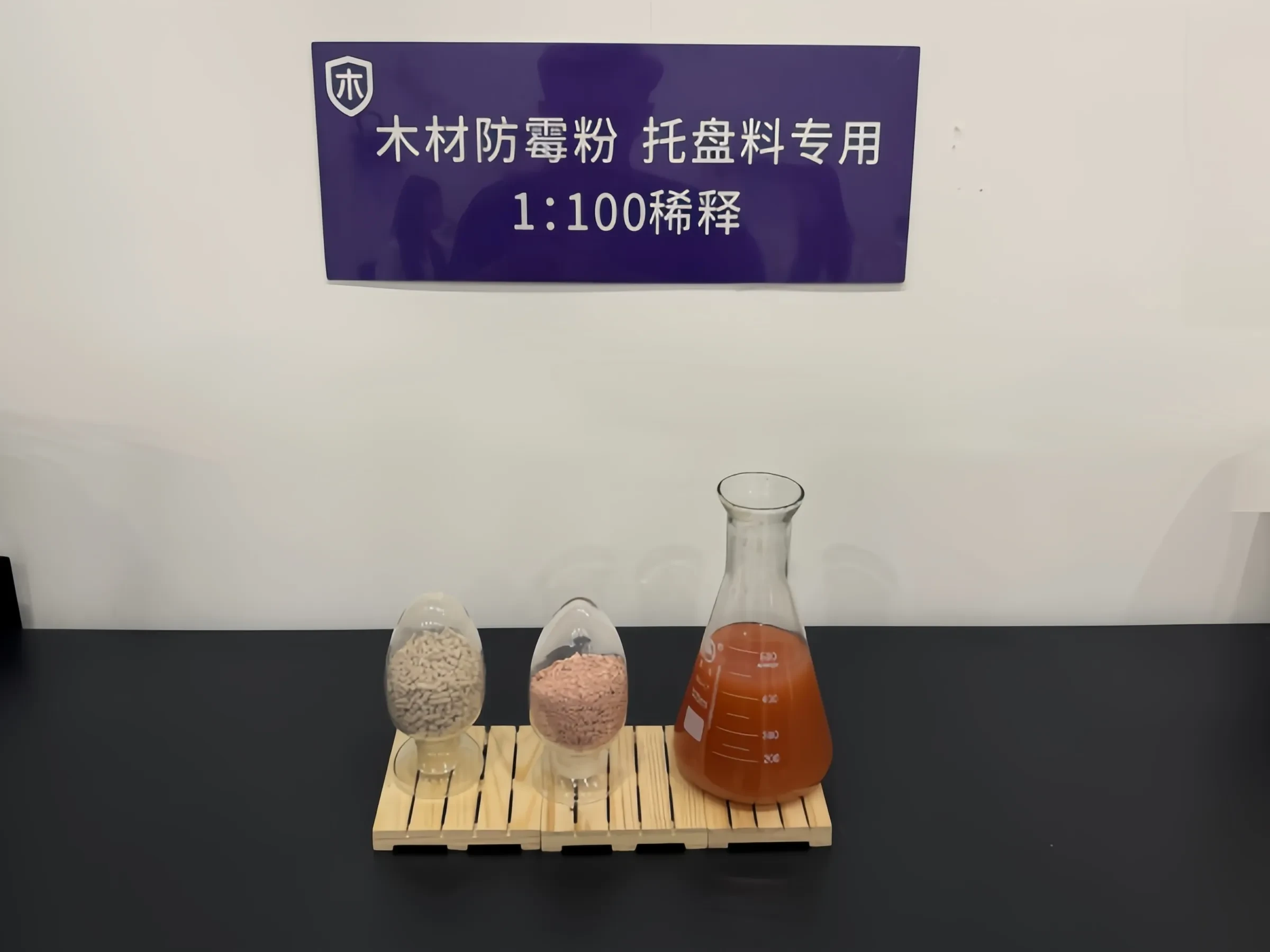
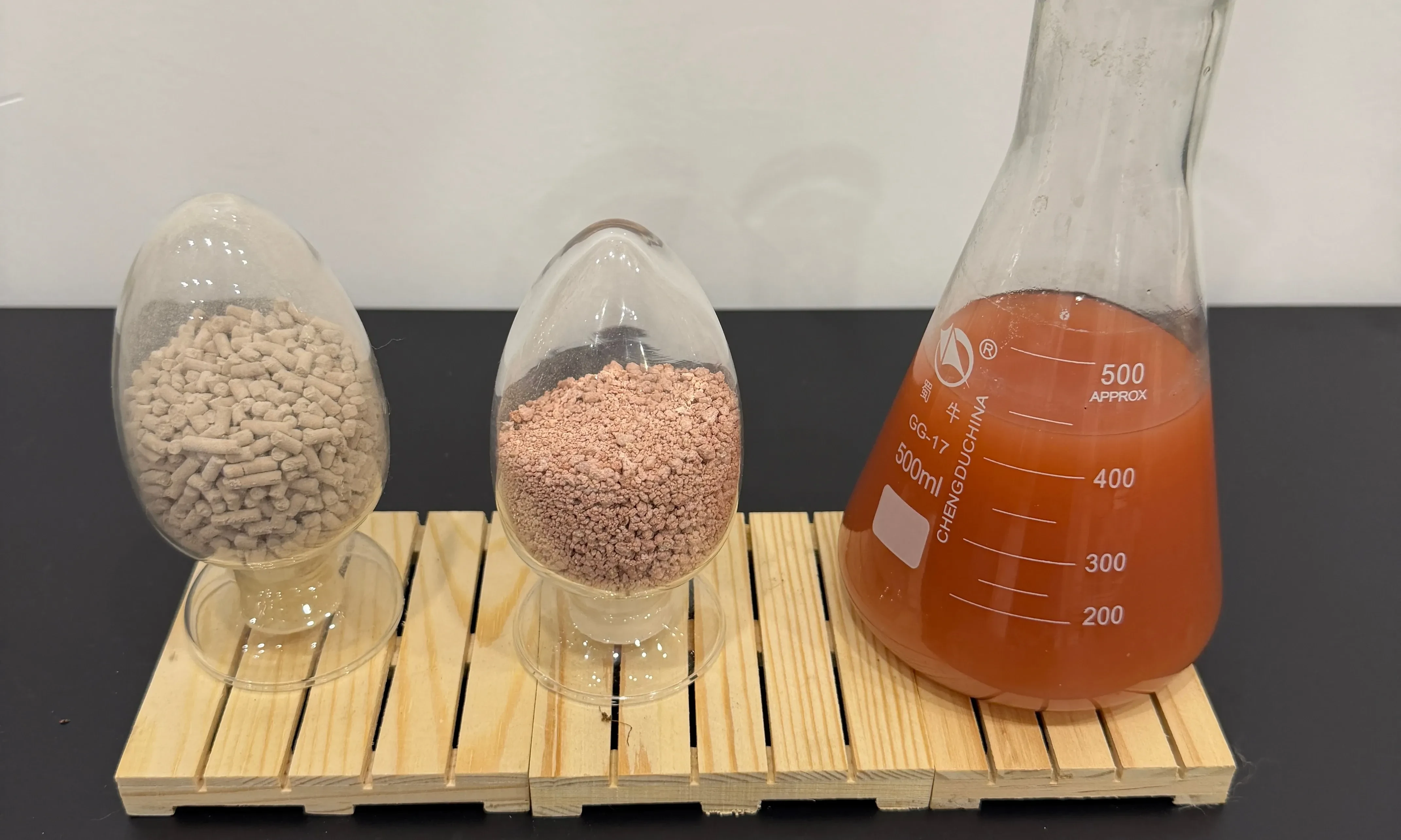
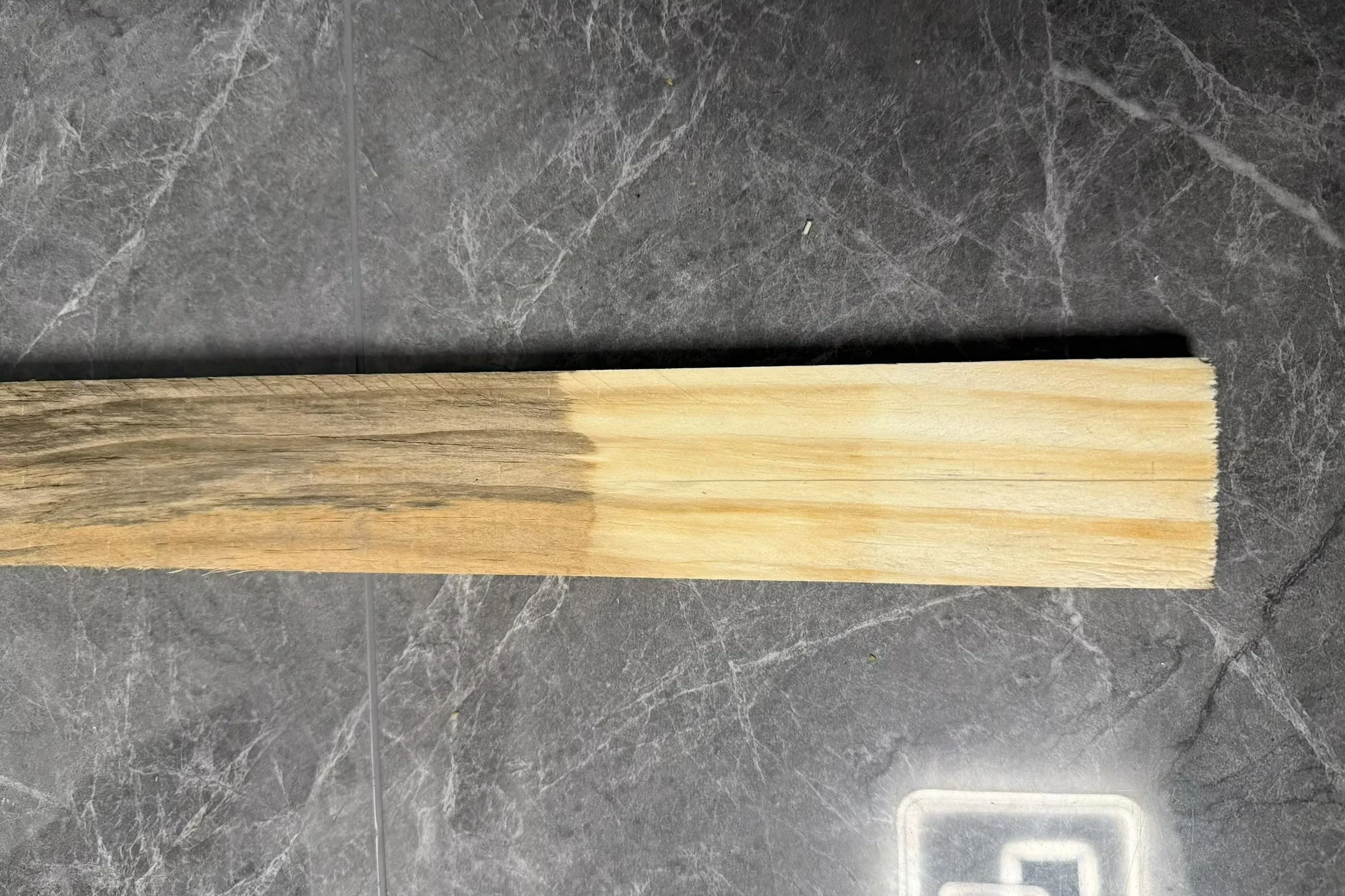
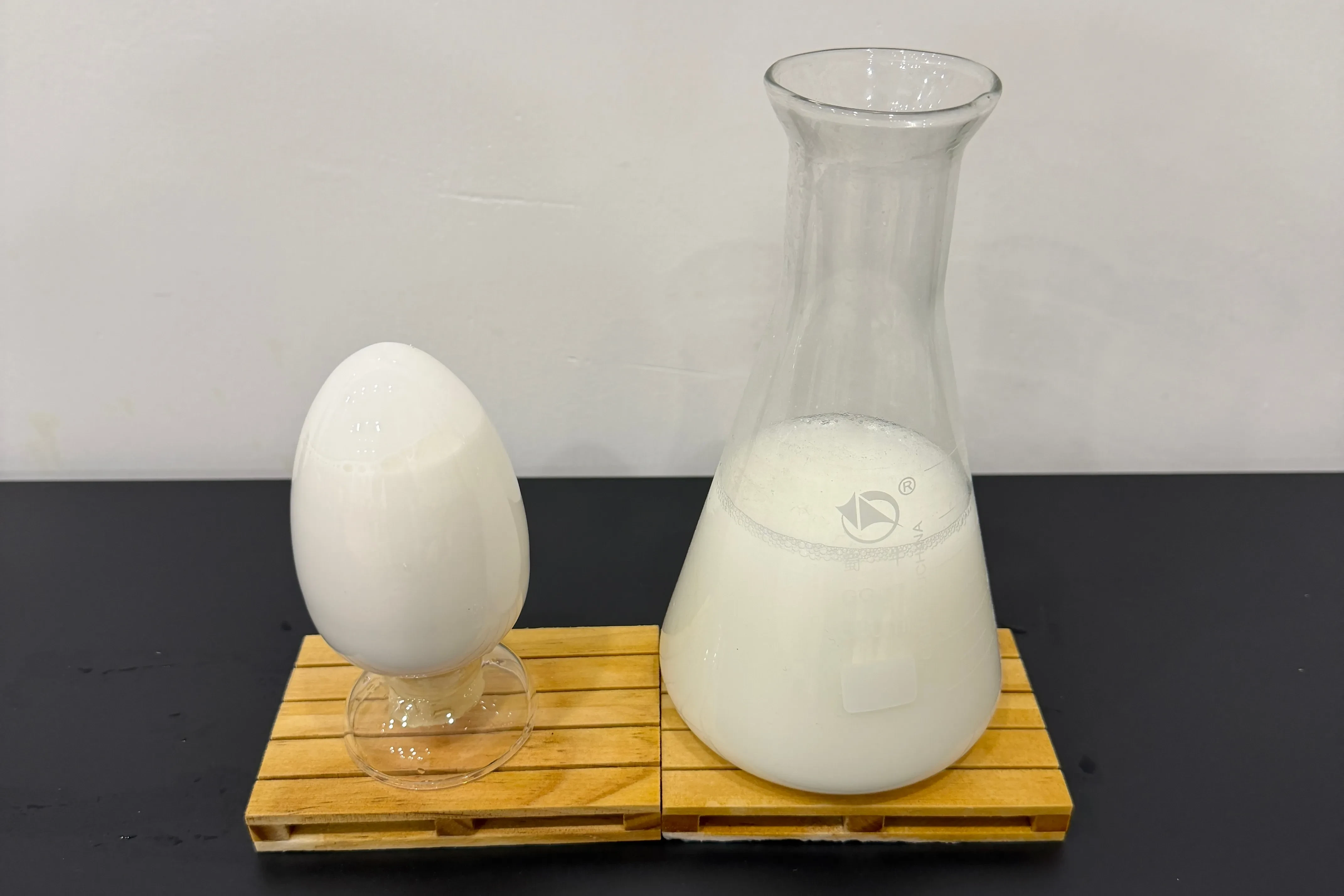
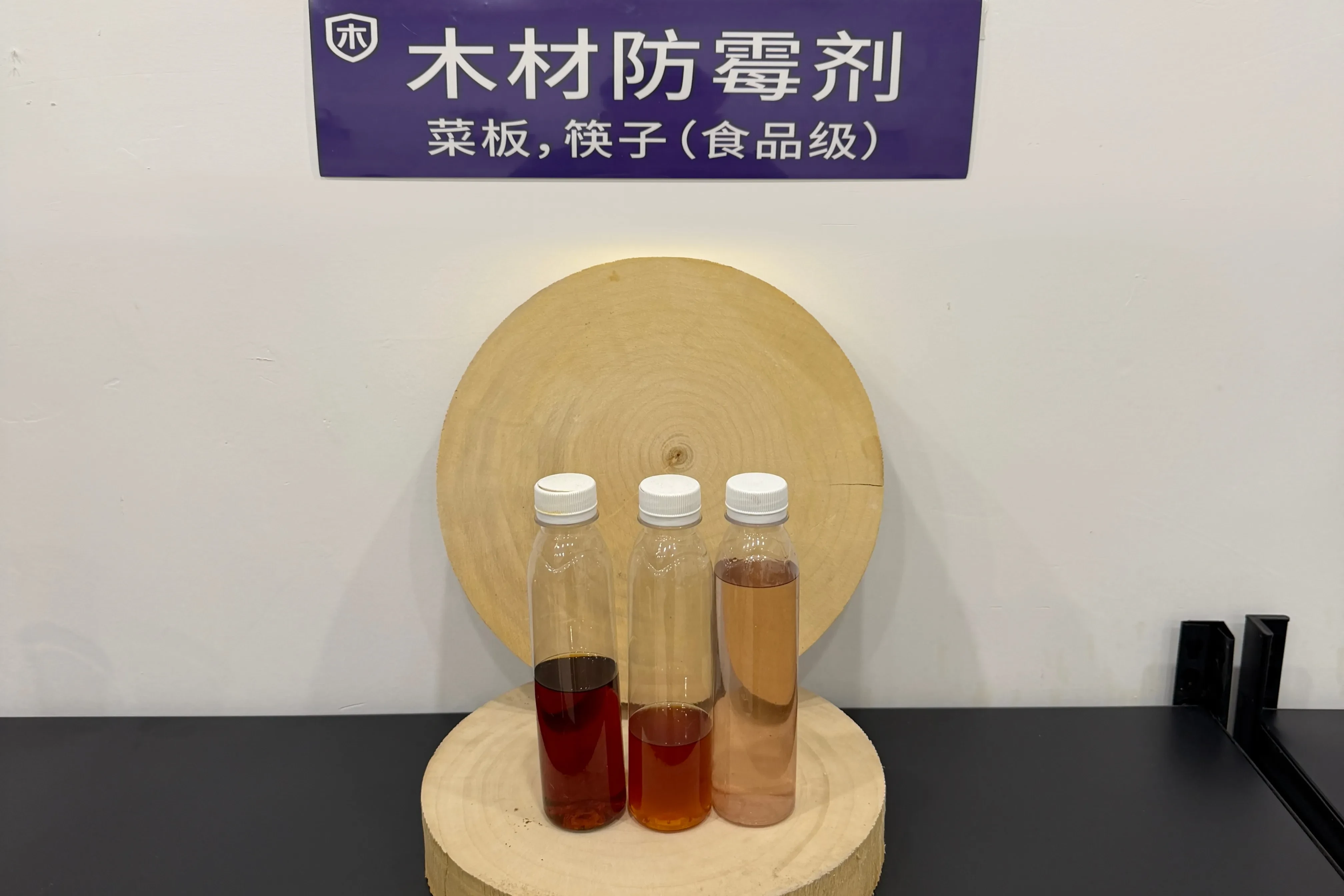
Choosing the Right Protection Plan for Your Wood
Step 1: Identify the wood type and condition
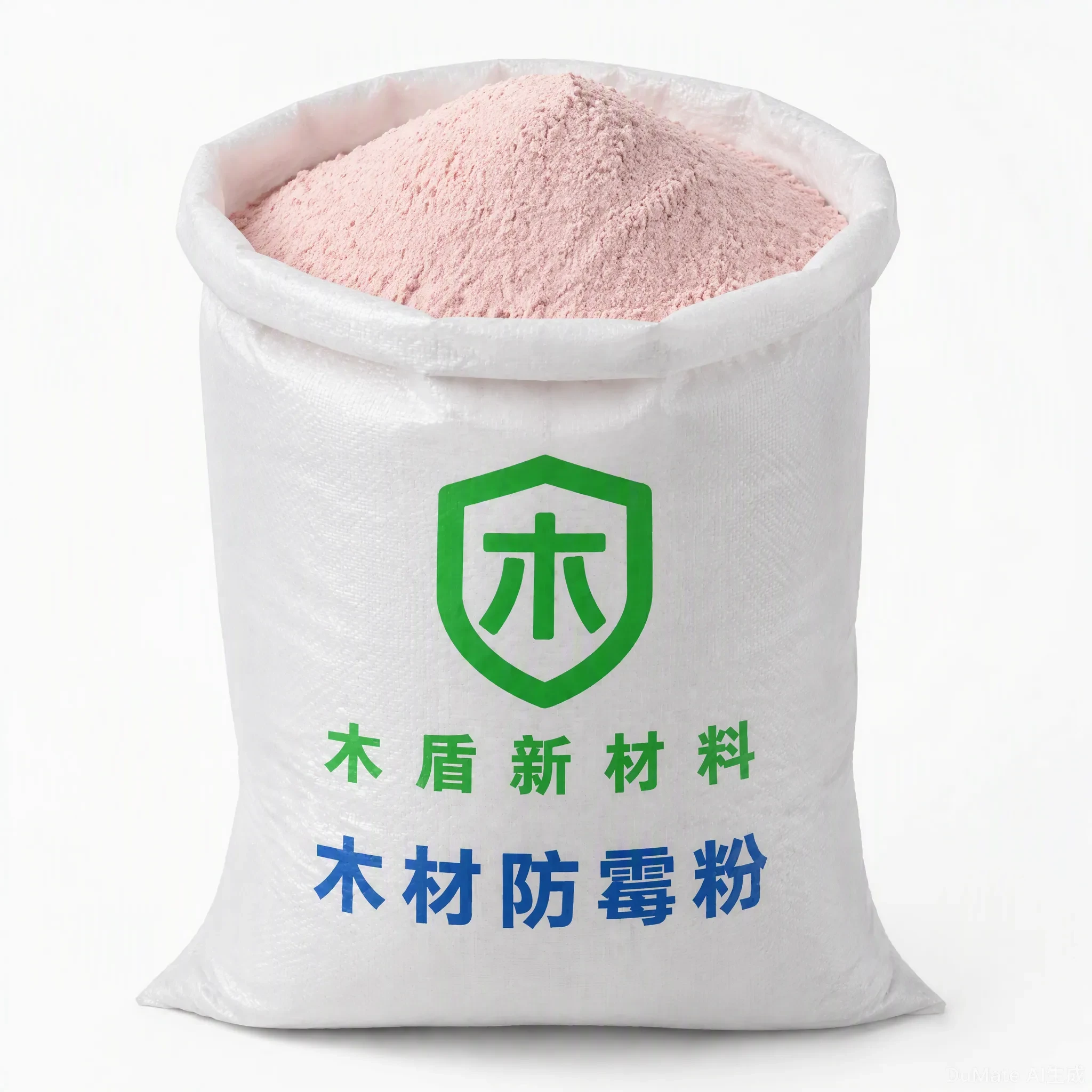
Different wood types vary significantly in their resistance to mold. According toChinese Academy of ForestryStudies show that high-oil woods like slash pine and Chinese pine require specialized penetrating formulations; softwoods such as poplar and pine, which have high water absorption, need high-concentration soaking; while hardwoods like oak and beech are relatively easier to treat. Additionally, assess wood moisture content: according toGB/T 1931-2009 "Method for Determination of Moisture Content in Wood"Wet wood (moisture content > 20%) must be treated with an anti-mold powder soak; dry wood can be sprayed directly with anti-mold agent.
Step 2: Define use cases and export requirements
Wood pallets and boards used domestically can use the standard anti-mold agent for lower cost; exported wood products must comply with destination country regulations: EU compliance is required.PPWR (Packaging and Packaging Waste Regulation)Compliance Requirements (Eco-Friendly Anti-Mildew Wood Resin): Products for Japan must meet JIS standards, and those for the U.S. require EPA certification. For specialized applications such as mosquito coil wood powder, please select the corresponding dedicated product.
Step 3: Assess production scale and process conditions
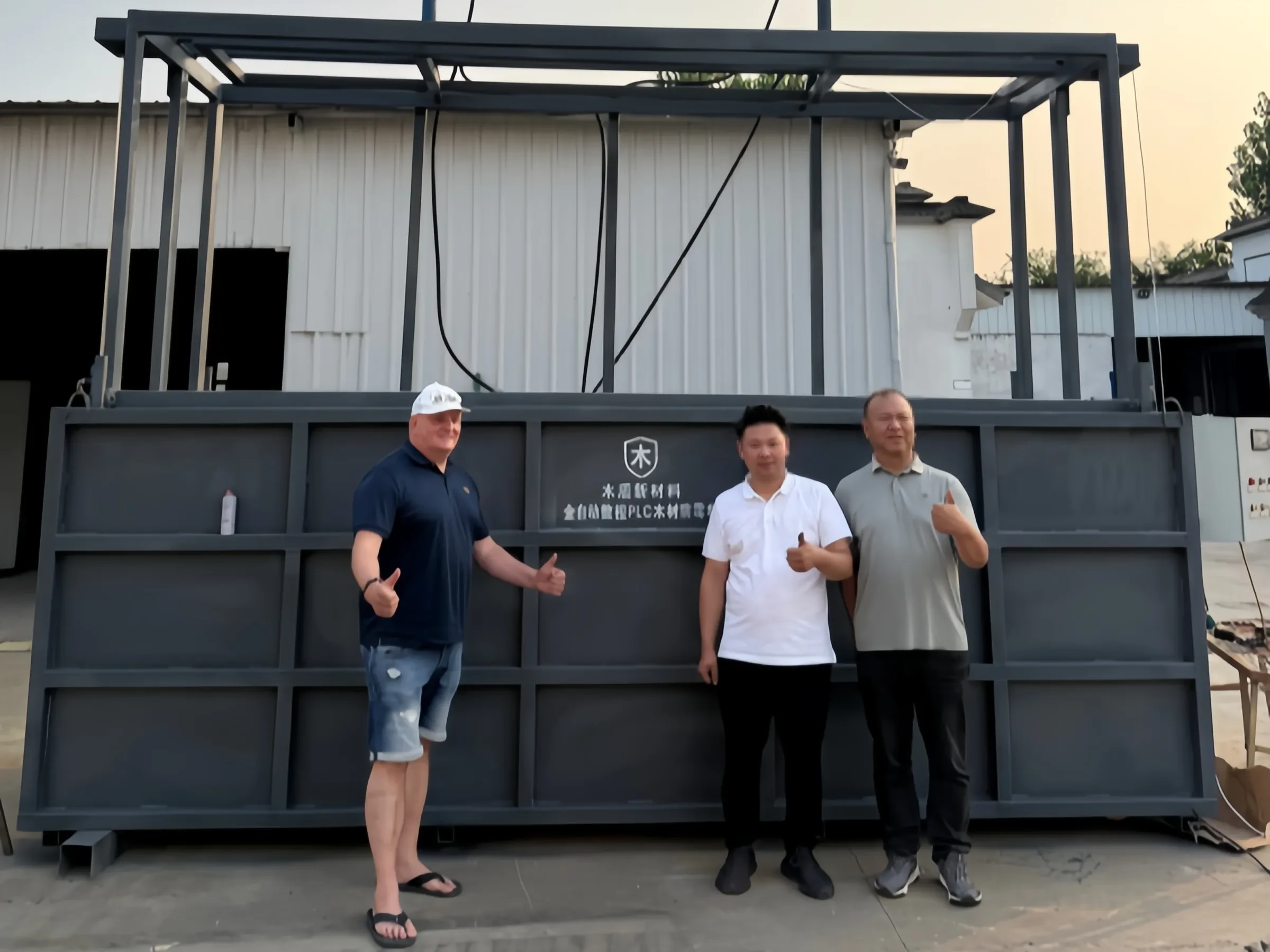
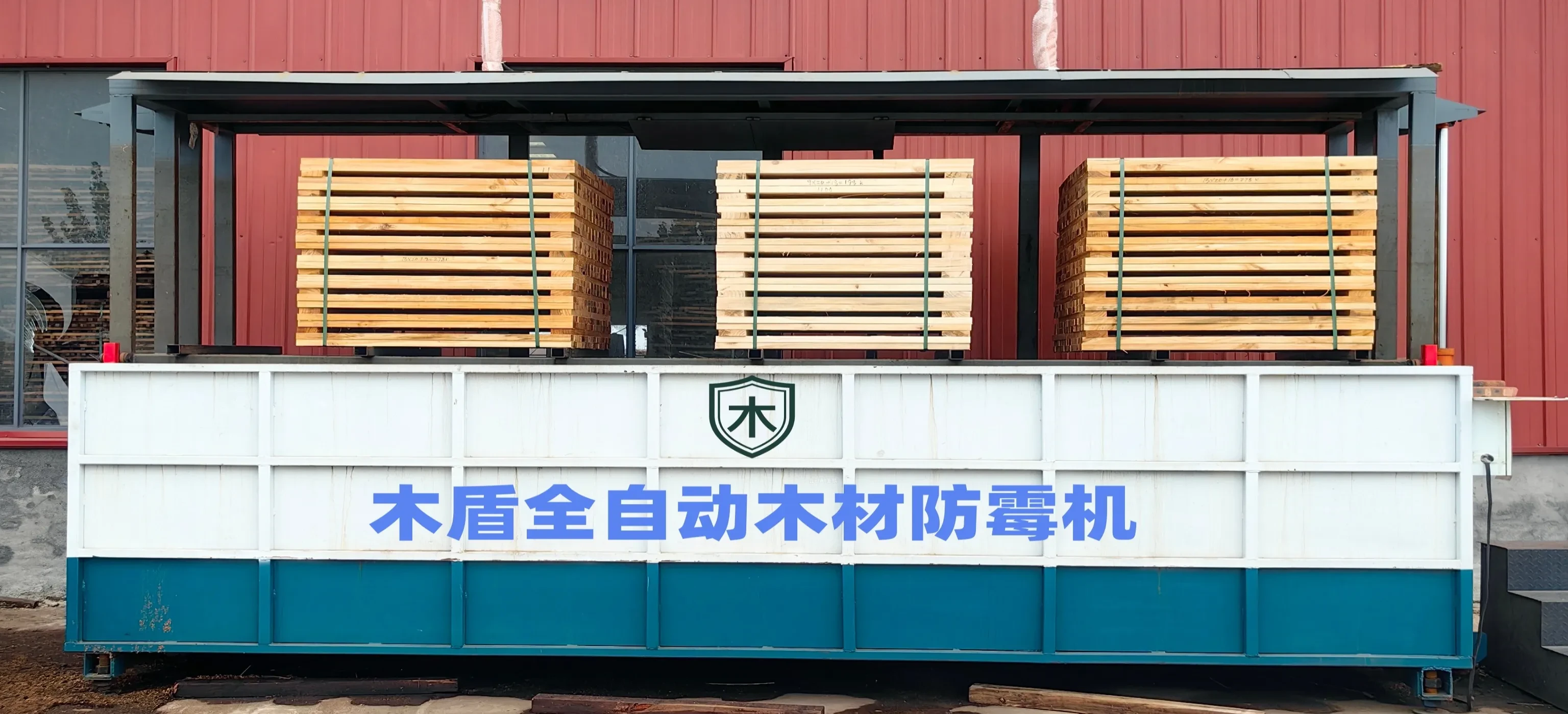
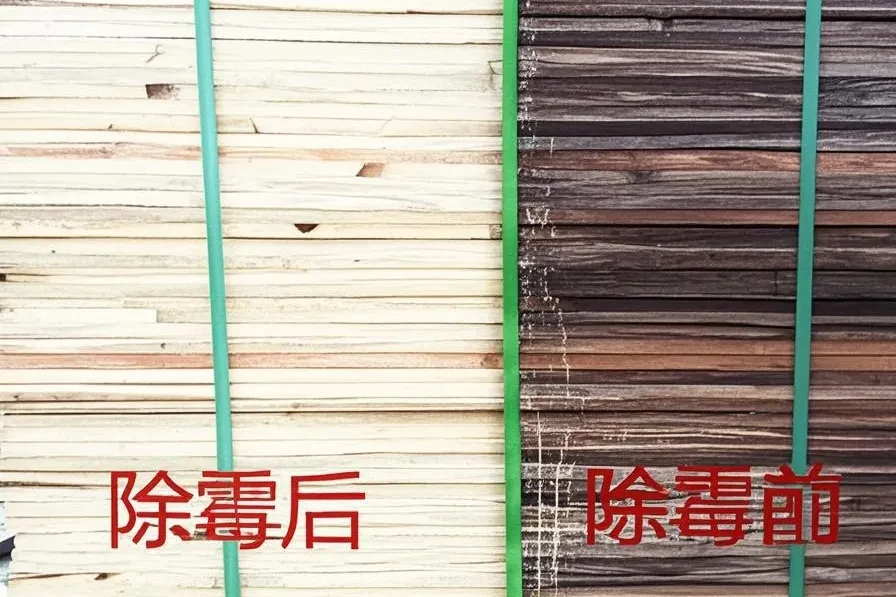
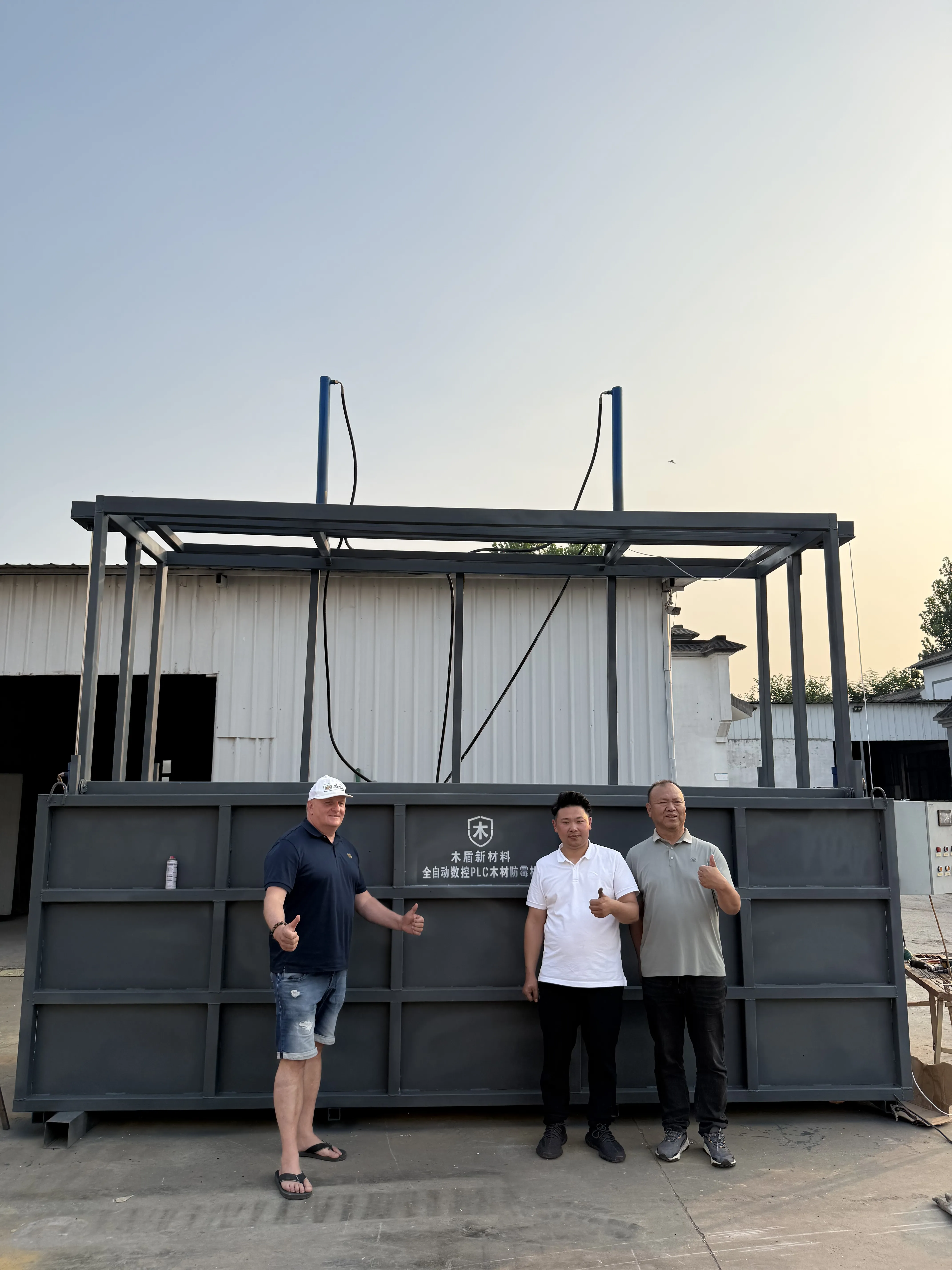
Small-scale production (daily output < 1000 units) can use manual soaking. For medium to large-scale production, an automated wood anti-mold machine is recommended to precisely control soaking time, concentration, and solution circulation. Moldy wood must first be treated with a mold remover or blue-stain remover before applying an anti-mold protective coating. Blue stain issues require pre-treatment with a wood bleach. Construction methods should be adjusted based on the wood's condition and production line capabilities.
Step 4: Verify Results and Monitor Continuously
After processing, we recommend checking the anti-mold effectiveness at 1 weeks, 1 months, and 3 months. We provide technical guidance and after-sales tracking to adjust concentration and processes based on actual results. In Southeast Asia's hot and humid conditions, the protection period typically lasts 6-12 months; in China's drier climate, it can exceed 18 months. For product performance testing, please refer toGB/T 18261-2013 "Test Method for Evaluating the Efficacy of Biocides Against Wood-destroying Fungi and Discoloration-causing Fungi"test methods in.
Related Standards and Industry Resources
Our technical solution is based on the following national standards and industry regulations:
- •GB/T 18261-2013 "Test Method for Evaluating the Efficacy of Fungicides Against Wood Mold and Discoloration Fungi"
- •GB/T 18261-2013 "Test Method for Evaluating the Efficacy of Fungicides Against Wood Mold and Discoloration Fungi"
- •GB/T 1931-2009 "Method for Determination of Moisture Content in Wood"
- •Research Institute of Wood Industry, Chinese Academy of Forestry