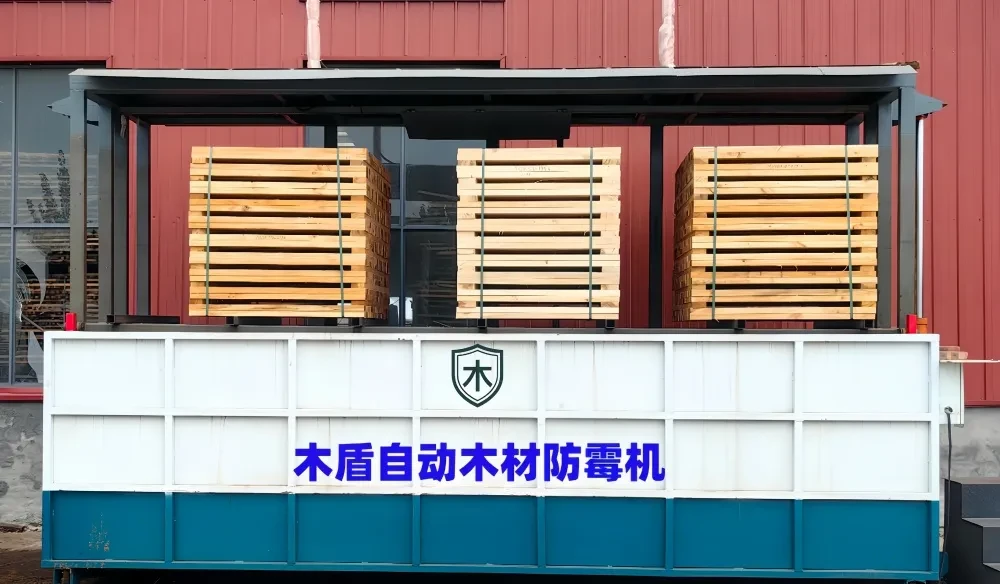
Solve wood mold, blue stain, and blackening issues
From mold inhibitor selection to automated treatment lines, we provide comprehensive anti-mold solutions for wood pallet, panel, and lumber processing enterprises. Our approach supports wet-wood processing without drying and includes export-ready technical documentation.
Core Products
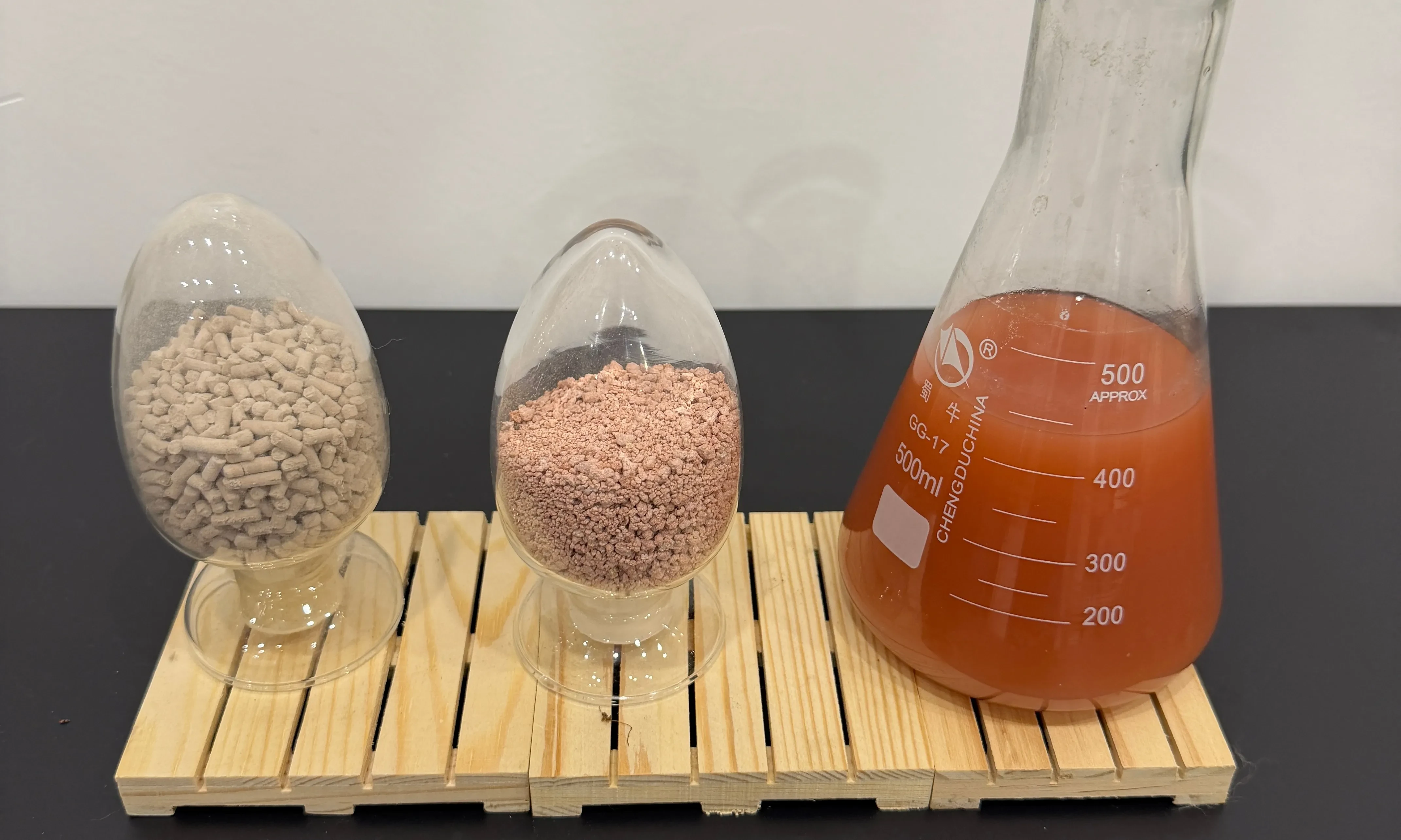
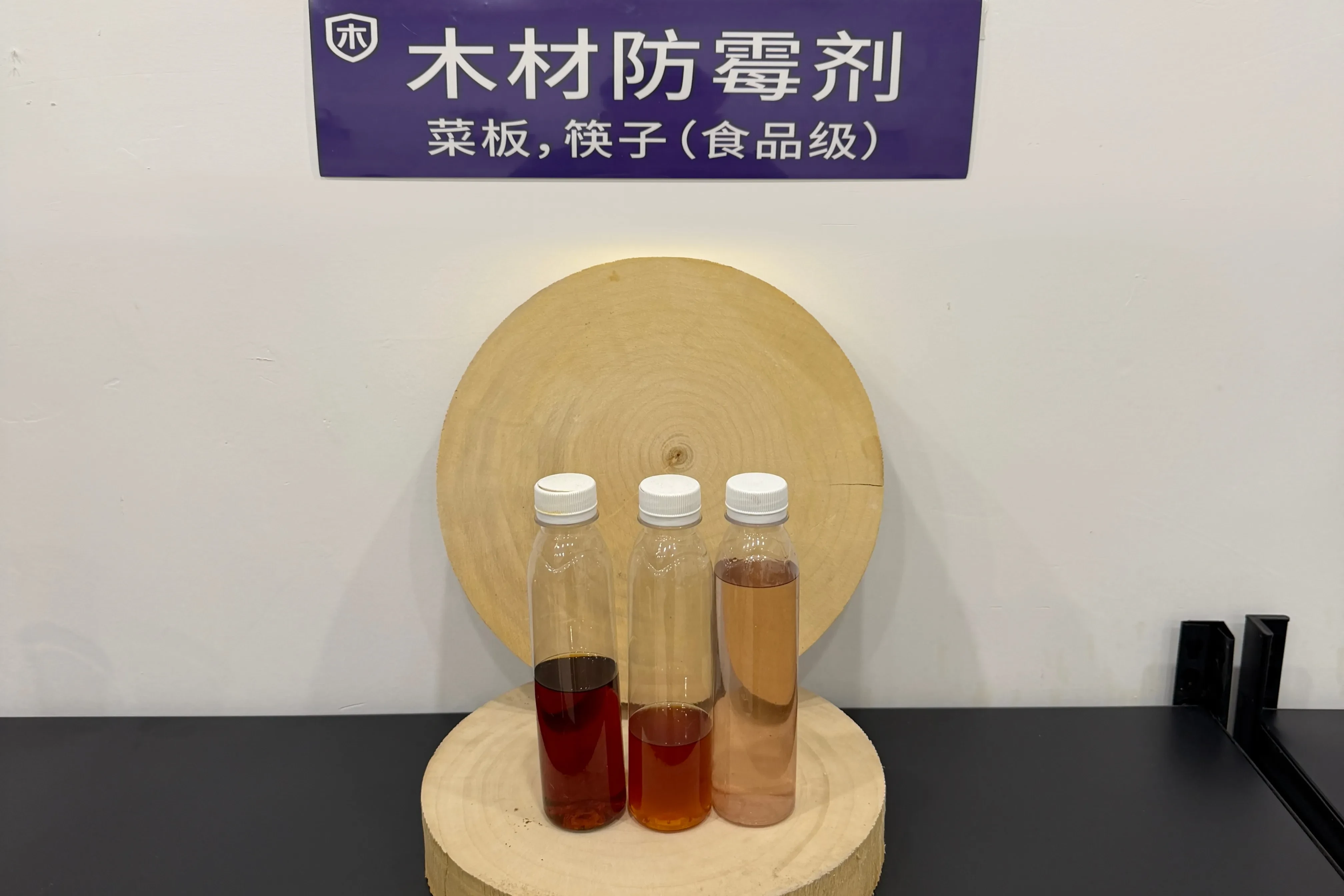
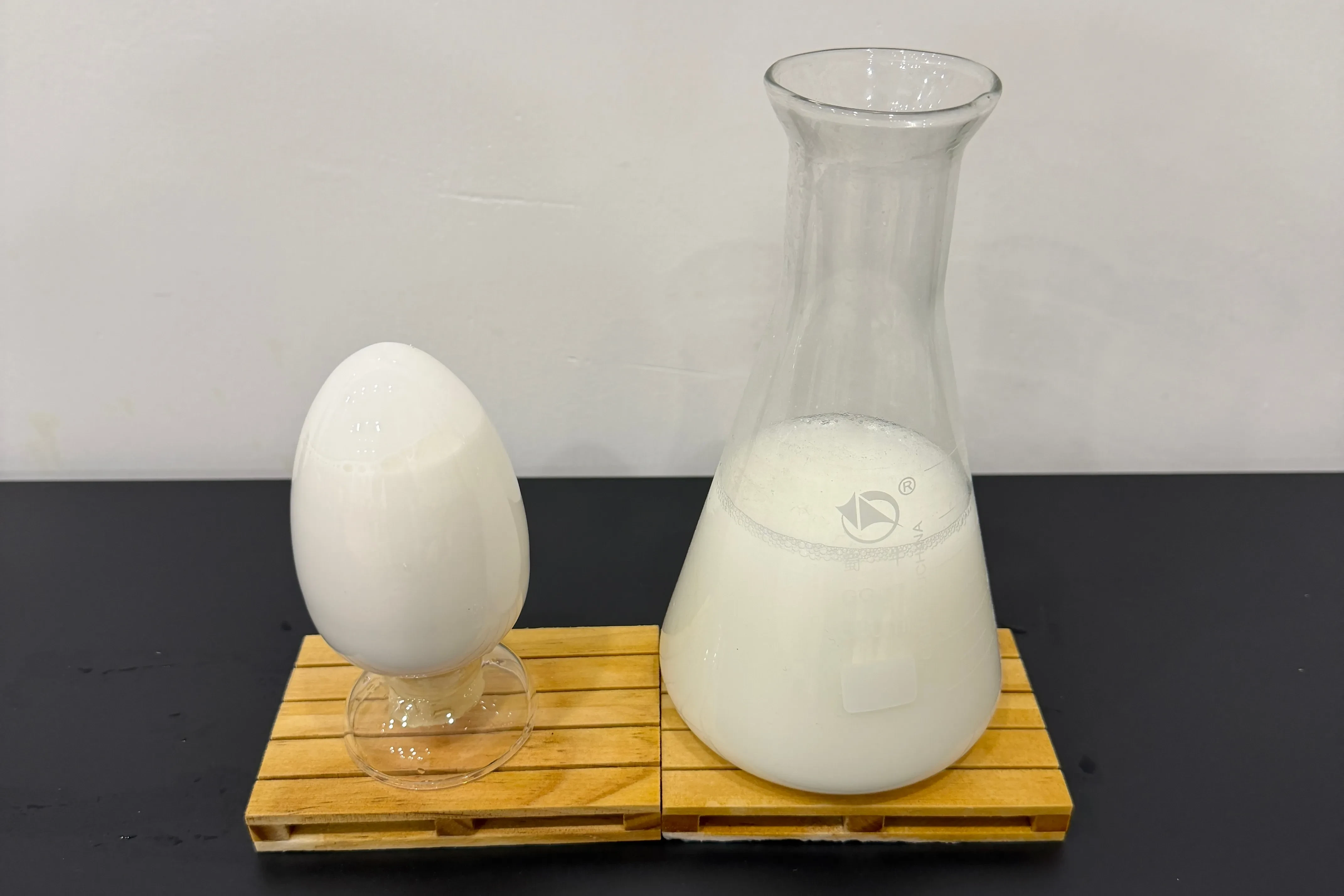
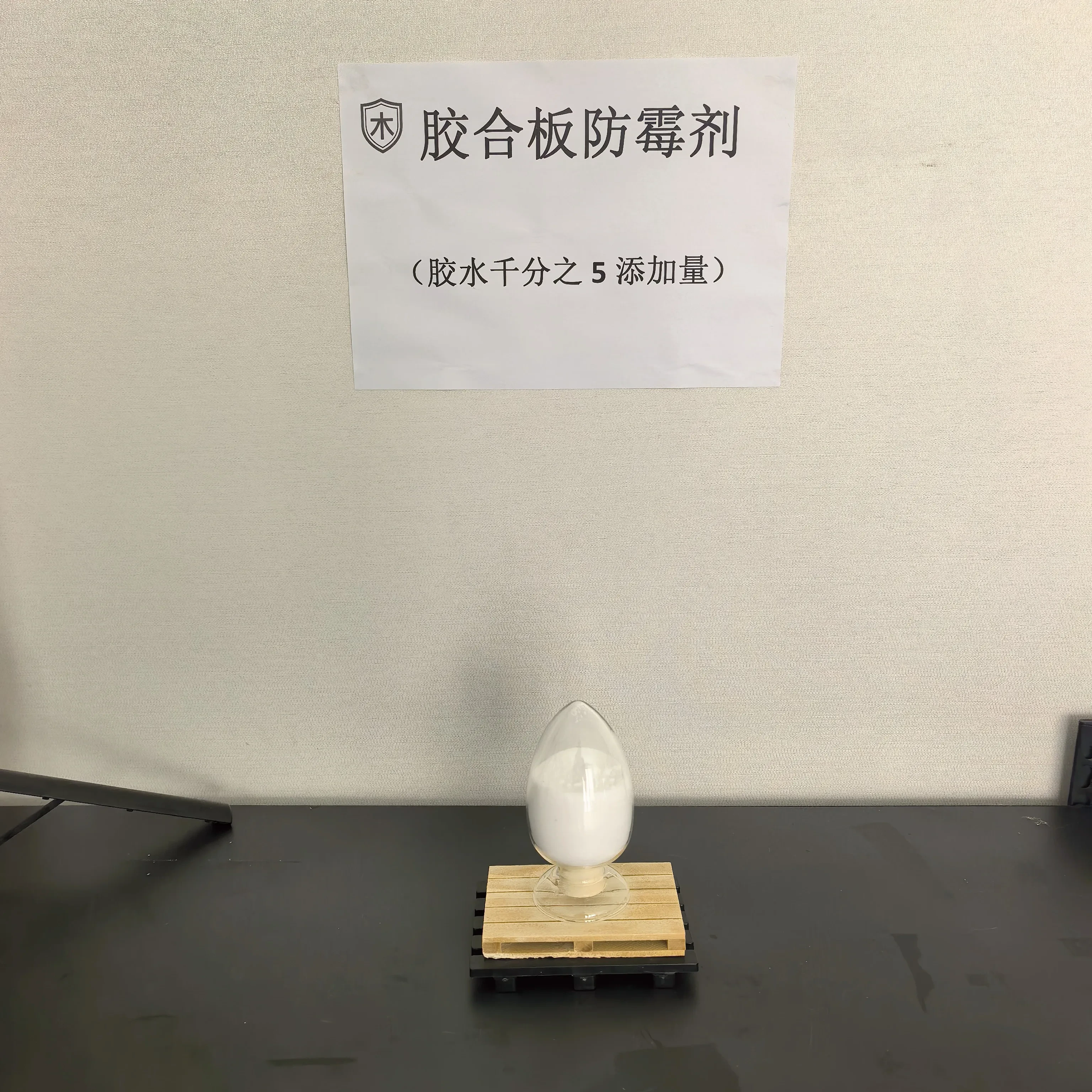
Our product line covers the full spectrum of wood treatment needs, including anti-mold, mold removal, blue-stain prevention, and preservation.
Professional Knowledge on Wood Anti-mold Treatment
Understanding the Causes of Mold Growth in Wood, Key Selection Criteria for Anti-Mold Agents, and Treatment Processes
Why does wood get moldy?
Wood mold is caused by the proliferation of mold spores under favorable conditions. According toState Forestry and Grassland AdministrationRelevant research indicates that mold growth requires three essential conditions: nutrients, moisture, and suitable temperatures. Wood naturally contains cellulose, hemicellulose, and lignin, all of which serve as ideal nutrient sources for mold. When the wood's moisture content exceeds 20%, mold spores germinate on the surface, forming visible mold spots. UnderstandingCommon Causes and Prevention Measures for Wood MoldHelps reduce the risk of mold from the source.
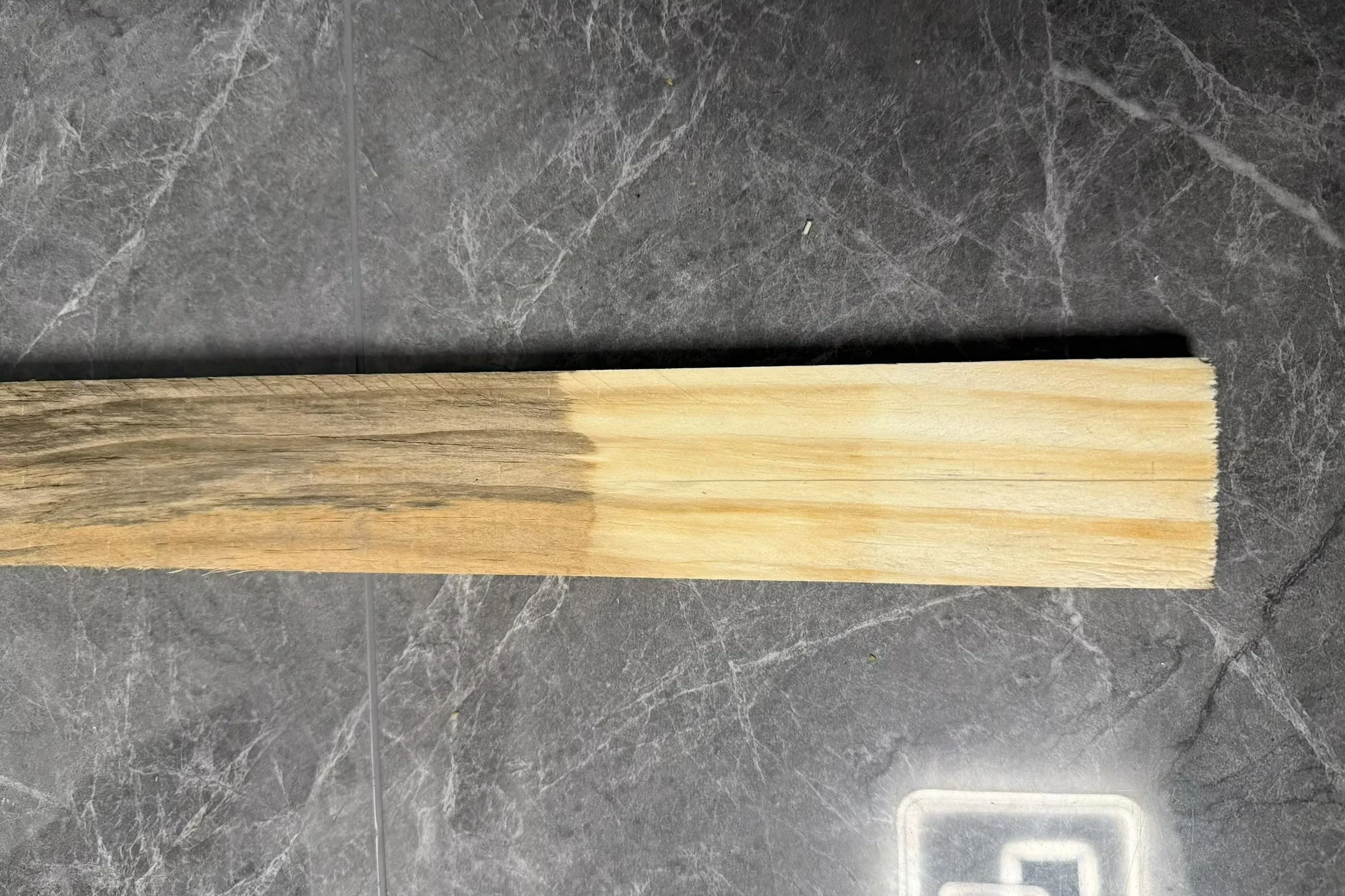
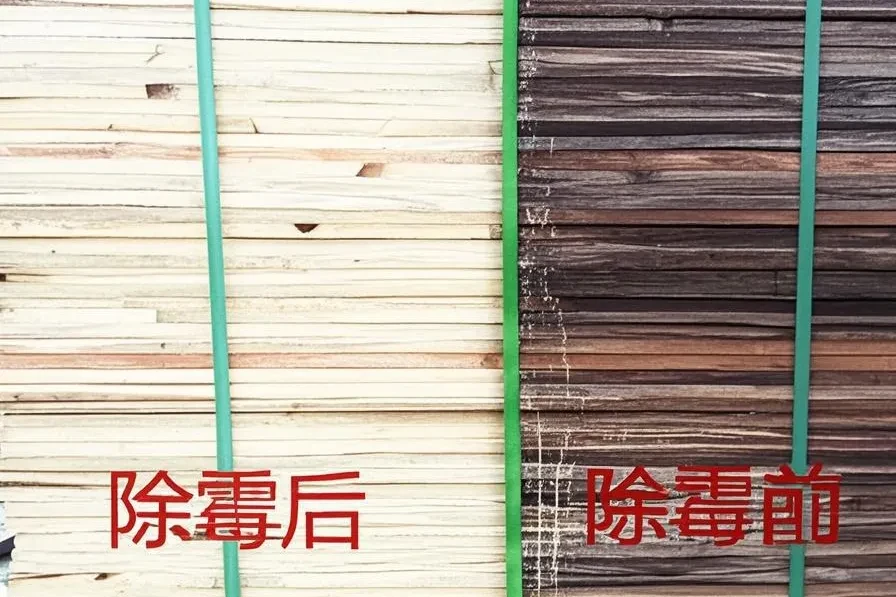
Different tree species have varying mold risks. According toChina Timber and Wood Products Distribution AssociationIndustry data shows that poplar, with its low density (approximately 0.4-0.5 g/cm³) and large pores, absorbs water quickly but also dries rapidly. Pine species (such as Masson pine and Chinese pine) contain high levels of resin; the oily layer hinders moisture evaporation, causing the interior to remain in a persistently humid state and significantly increasing the risk of mold growth. For hardwoods and fir, the rate of mold development depends on the processing season and environmental humidity. In rainy seasons or during storage under high-temperature and high-humidity conditions, untreated wood typically shows visible mold within 3-7 days. ViewBefore and After: Mold Prevention Treatment for WoodVisually compare treatment effects across different tree species.
Blue stain is a special form of wood mold caused by blue-stain fungi, primarily species in the genus *Ophiostoma*.Ophiostomacaused by invasion of wood vessels by spp. Blue stain not only affects the appearance of wood but also reduces its mechanical properties and paint adhesion. For products with surface quality requirements such as export wooden pallets and crates, blue stain must be addressed throughSpecialized anti-yellowing and anti-blueing agentsTo resolve.
How to Choose the Right Wood Mould Inhibitor
SelectWood Mold InhibitorEvaluation must be conducted across three dimensions. First is penetration: the fungicide must penetrate into the wood to establish lasting protection; its efficacy can be referenced againstGB/T 18261-2013 "Test Method for Efficacy of Fungicides Against Wood Mold and Discoloration Fungi"Conduct evaluation test. Liquid formulationMold InhibitorHigh permeability makes it ideal for soaking; powder forms must be fully dissolved before use, while emulsion types are best suited for surface spraying. Second, ensure environmental compliance: export products must meet the destination country's regulations, such as the EU PPWR (Packaging and Packaging Waste Regulation) or import standards in Southeast Asian countries. See details below.Compliance Guide for Preventing Mold in Exported Wood ProductsFinally, the protection cycle varies by application. Indoor wood storage and outdoor wooden pallets require entirely different protection levels due to differing durability requirements.
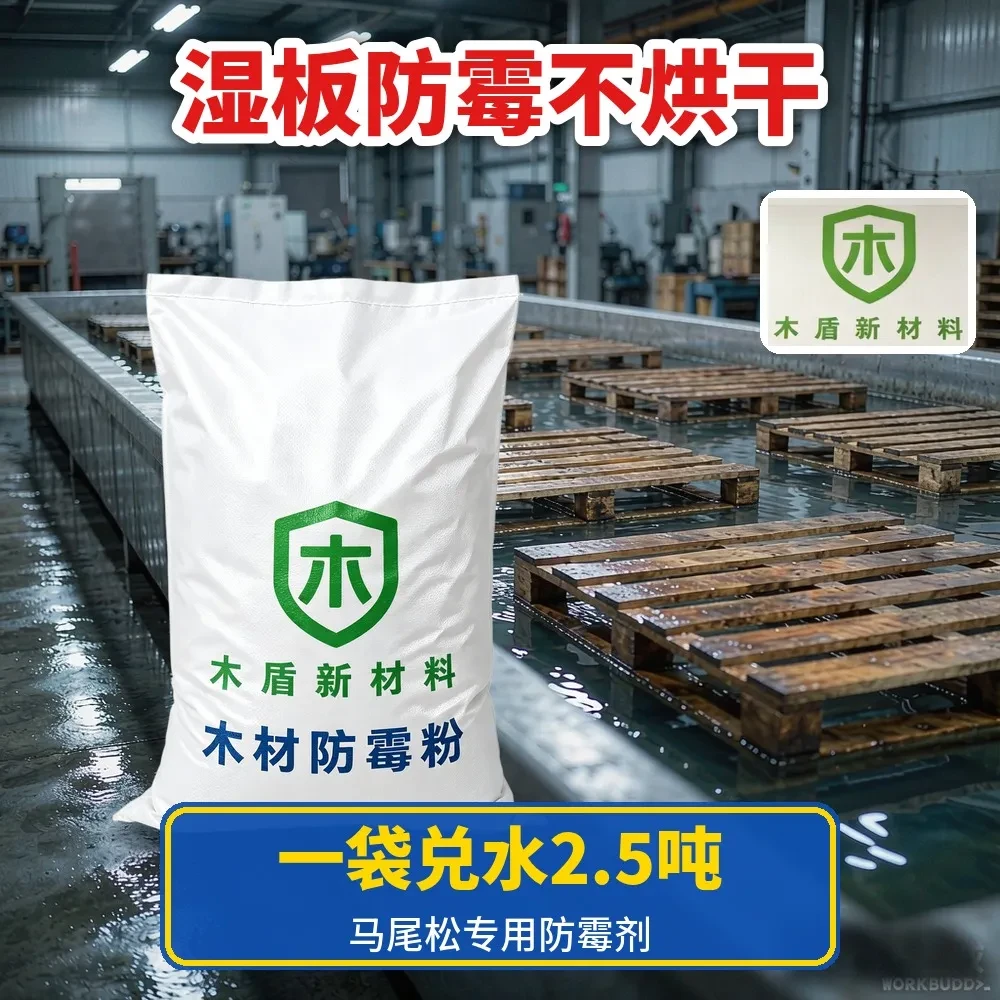
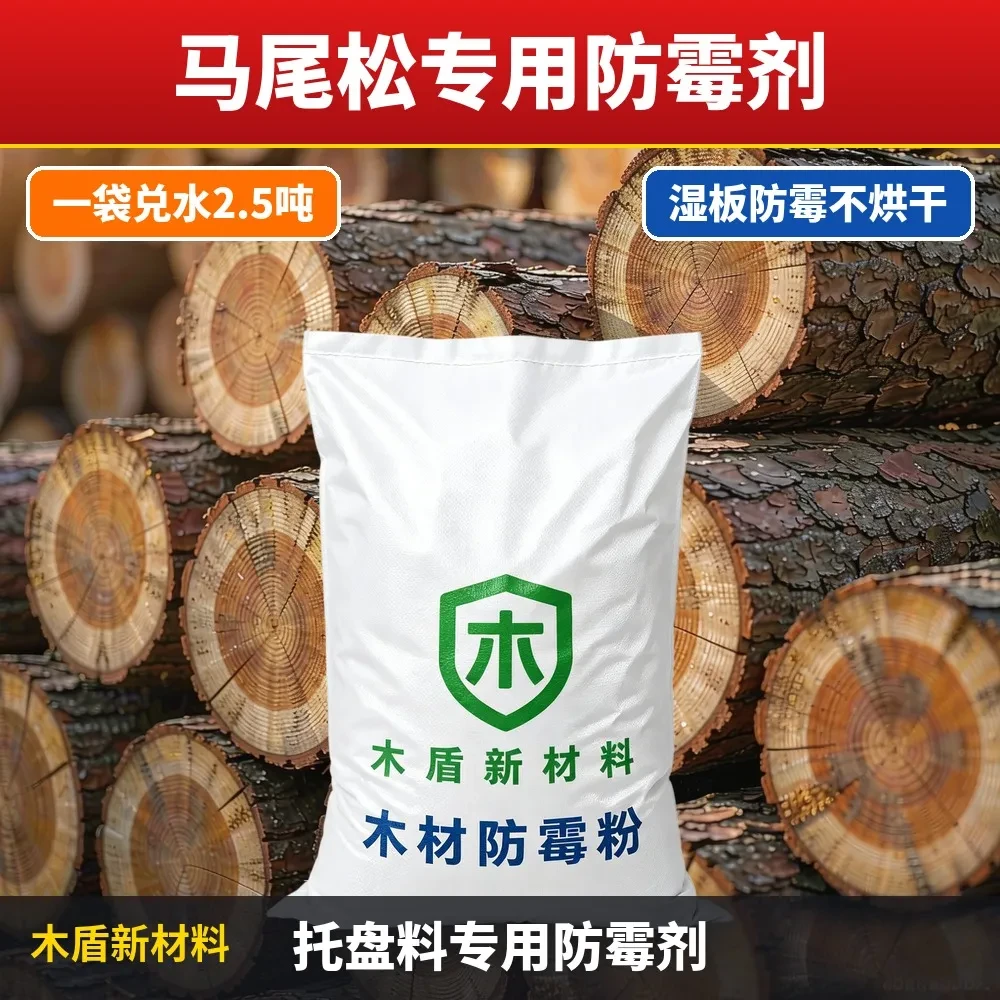
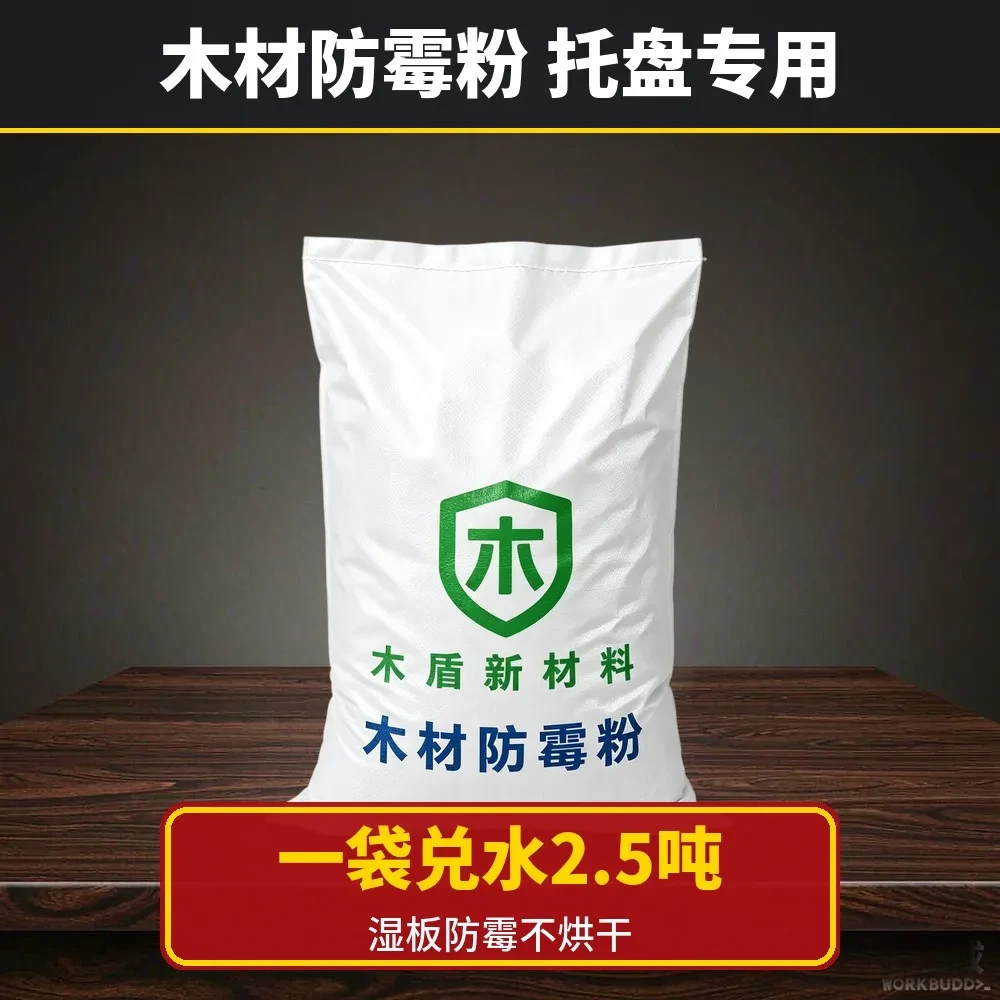
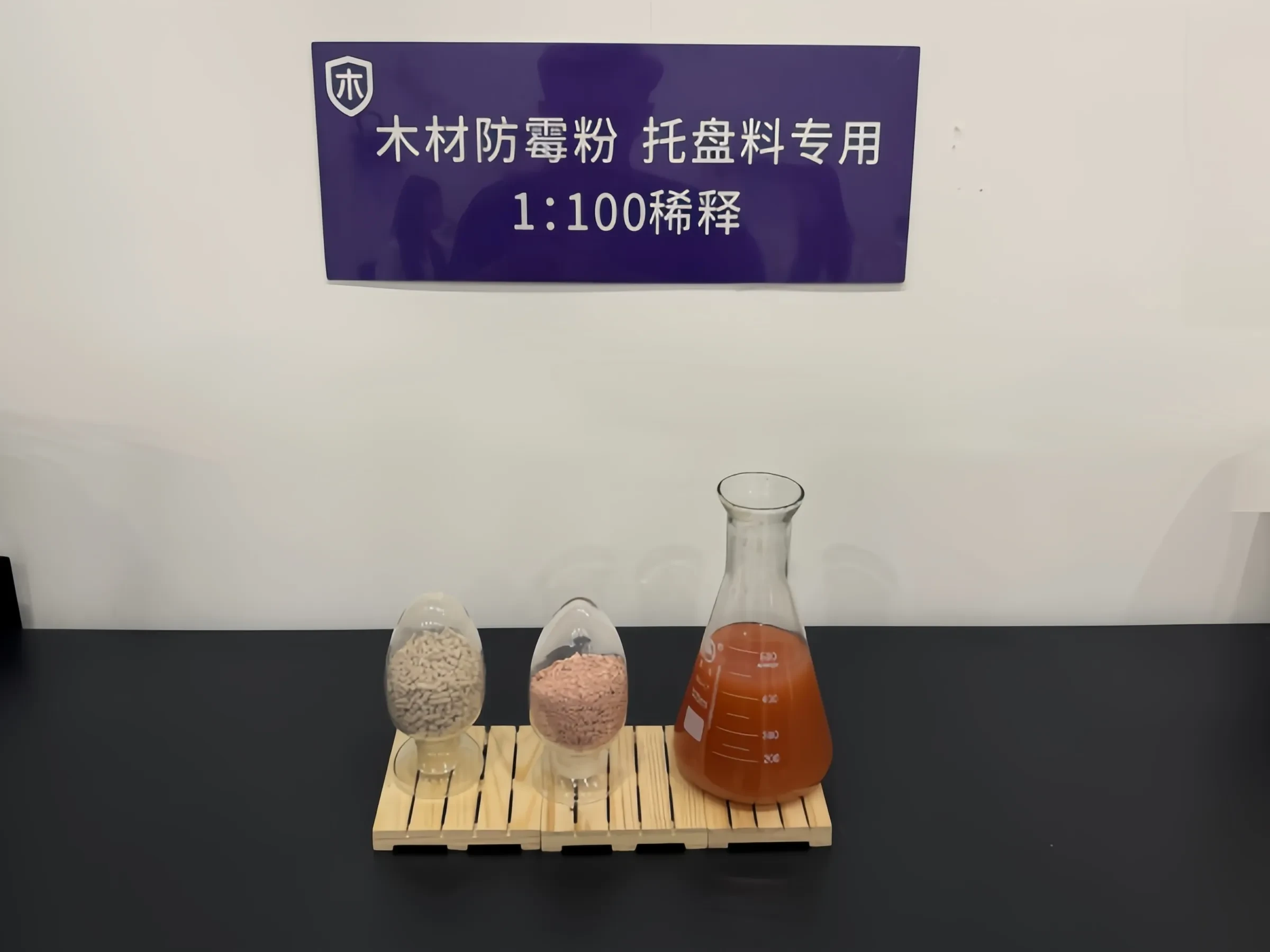
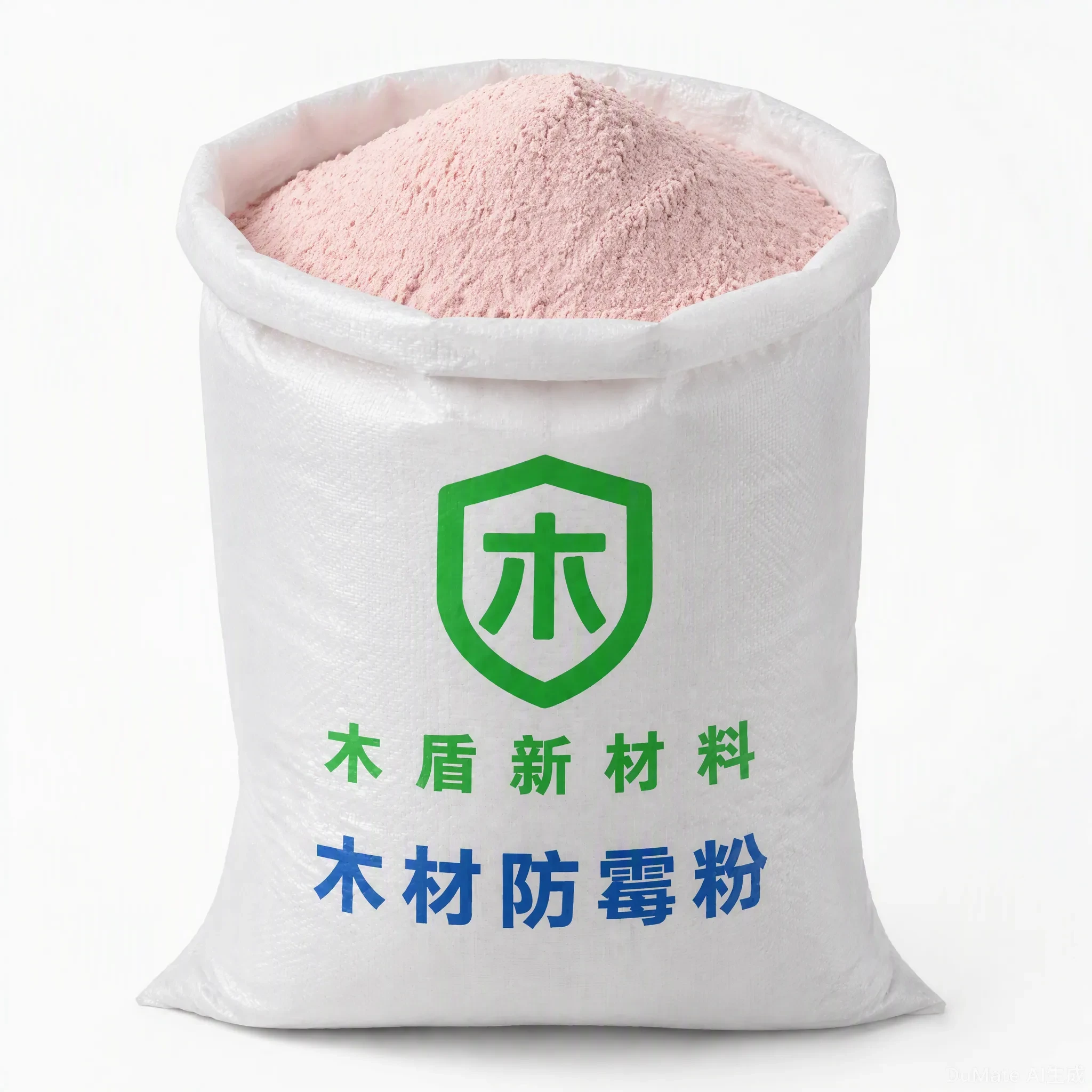
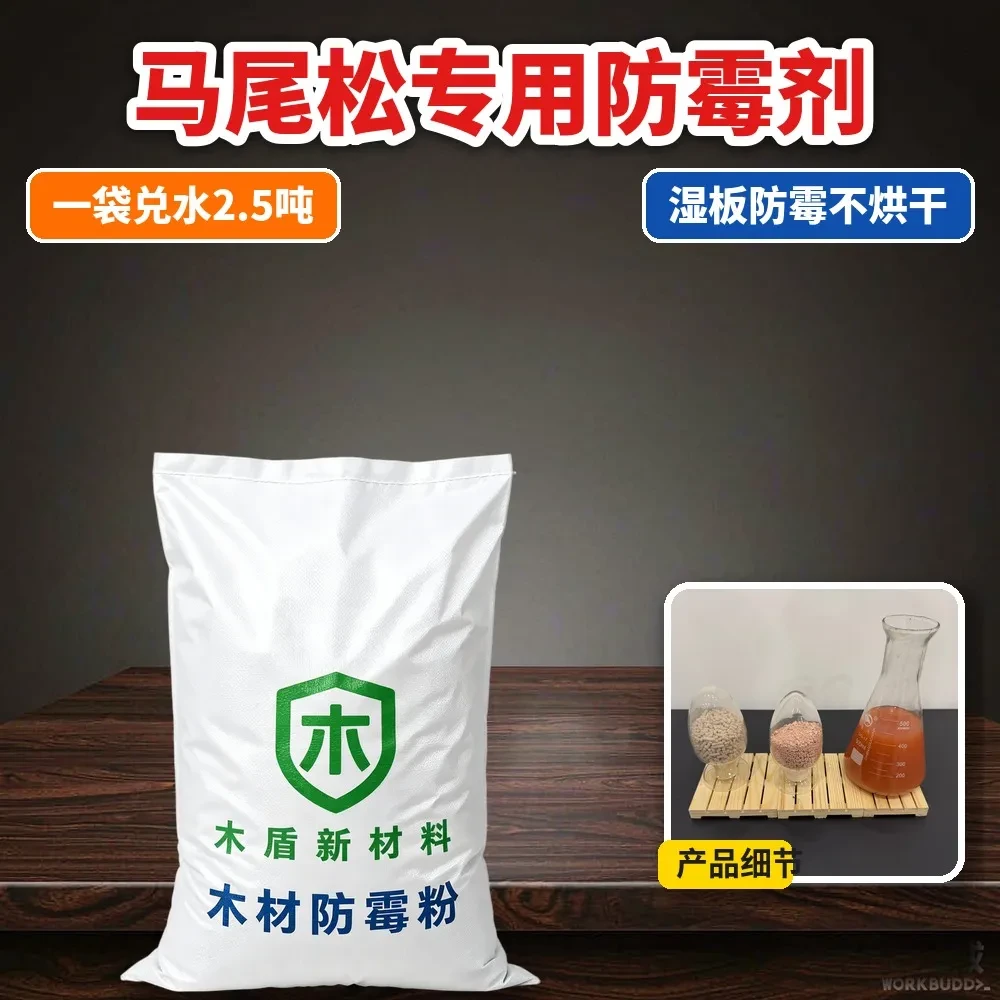
Based onChina Timber and Wood Products Distribution AssociationTechnical guidelines: For high-oil wood species (pine, oil pine), a de-greasing penetration agent must be added.Anti-mildew Agent for Pinus massonianaEnsure the fungicide penetrates the resin layer to reach the wood core. Poplar and mixed woods can be treated with a universal liquid fungicide at a dilution ratio of 1:50 to 1:100, soaked for 3-5 minutes for effective protection.Mold-Resistant Powder with No-Dry RequirementA powder formulation is used, ensuring effective penetration and sustained antimicrobial activity even under wet conditions.
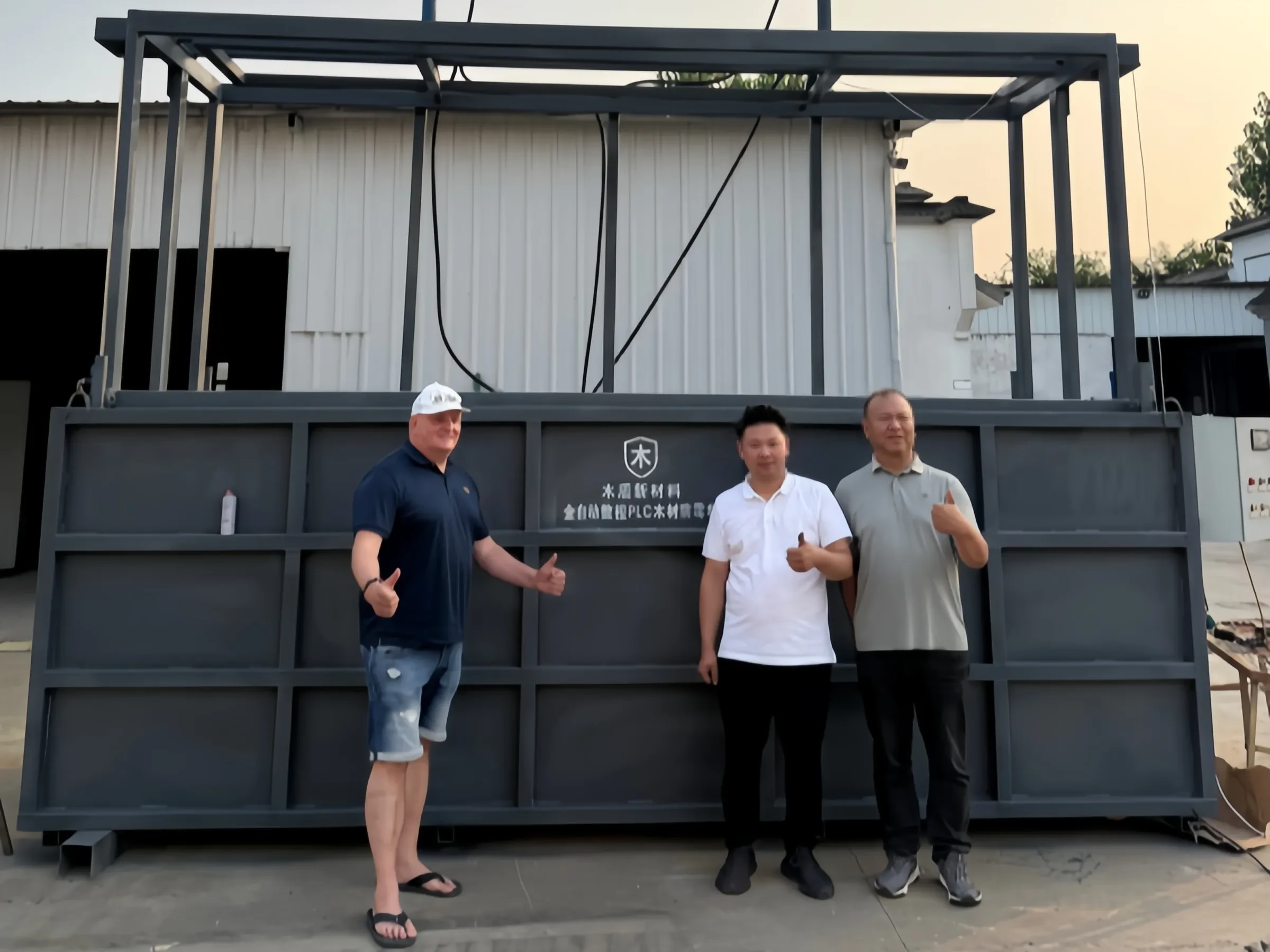
In terms of construction processes, immersion is the most commonly used method in actual production. Dilute the preservative with water according to the specified ratio, then fully immerse the wood in the solution for 3-5 minutes to ensure thorough penetration. After removal, drain excess liquid; the wet wood can proceed directly to subsequent processing without drying, saving space and energy. For large timber or assembled wooden pallets, surface treatment via spraying or brushing is recommended. High-volume manufacturers may consider...Automatic Wood Anti-mold Production Line Retrofit Proposal, detailedTechnical SolutionSelect based on wood type and production requirements.
Industry Standards and Compliance Requirements
National Standards
Mold inhibitor's anti-mold efficacy can be referenced asGB/T 18261-2013 "Test Method for Evaluating the Efficacy of Biocides Against Wood-destroying Fungi and Discoloration-causing Fungi"Conduct performance testing. When purchasing, request product test reports and MSDS to verify mold resistance, stability, and other key indicators.
Industry Standards
Wood mold prevention processes must be tailored based on wood species, moisture content, and application scenarios. Export products must also comply with relevant technical regulations and standards of the destination country. Refer to:Export Mold-Resistance Compliance Guide。
Export Compliance
Export of wood products requires compliance documents such as MSDS (Material Safety Data Sheet) and test reports. The Southeast Asian market primarily focuses on PPWR regulation compliance, while the EU market requires adherence to REACH regulations. Products must passCNAS-accredited laboratoryTesting to ensure compliance with technical regulations in target markets. Learn moreExport Service Details。
Technical Solution
Provides 4 professional solutions tailored to different wood application scenarios.
Video showcase
See how wood anti-mold treatment processes and equipment perform at a glance
Wood Mold Inhibitor Application Demo
Full process of anti-mildew agent immersion and spray application
Real-time operation of the automatic anti-mold machine
Automated Anti-mold Treatment Production Line for Wood
Case Study Showcase
Before-and-after comparison: see the anti-mold treatment effect on wood at a glance.
 Before Processing
 Processed
Case Study: Anti-Mold Treatment for Wooden Pallets in Warehousing
Using the product:Wood Mold Inhibitor
After anti-mold treatment, wood pallets are free of mold and show no recurrence within 6 months.
 Before Processing
 Processed
Case Study: Anti-Blueing Treatment for Multi-Layer Boards
Using the product:Wood anti-blueing agent
After treatment with the anti-blueing agent, blue staining on the boards was almost completely removed and the color became uniform.
About Wood Mold Inhibitor
Suzhou Mudun New Material Technology Co., Ltd. was established in 2025 and is located in Shuyang County, Suqian City, Jiangsu Province. We specialize in the R&D and sales of wood protection materials. Our product line covers mold prevention, mold removal, blue stain inhibition, and防腐 treatment, complemented by fully automated wood mold prevention equipment. Tailored processes are available for pallets, boards, and lumber based on moisture content and species, enabling effective treatment of wet wood without drying. For detailed specifications and export technical documentation, please visitProduct CenterorContact Support。
Product Portfolio
Mold prevention / mold removal / anti-blueing / anti-corrosion
Industry Solutions
Match processing methods by scenario
GB/T
18261 Standard
Mold prevention effect is subject to reference. GB/T 18261-2013 "Test Method for Efficacy of Fungicides Against Wood Mold and Discoloration Fungi" Run test evaluation.
Export Services
WoodShield Mold Inhibitor offers MSDS and PPWR compliance documents, along with professional wood protection solutions for Southeast Asian markets, including Malaysia.
Learn more