Compliance Guide for Mold Inhibitor Exports: From MSDS to PPWR Implementation
Exporting wood preservatives to the EU and Southeast Asia requires full compliance with MSDS safety data sheets and PPWR packaging regulations. This article breaks down key practical aspects: ingredient compliance, packaging labeling, and mold prevention standards.
When exporting wood preservatives to the EU and Southeast Asia, companies must comply not only with product performance but also with a comprehensive framework of chemical safety and packaging regulations. MSDS (Material Safety Data Sheet) and PPWR (Packaging and Packaging Waste Regulation) are two distinct yet interconnected systems. Any oversight—from active ingredients to packaging labels—can lead to shipment rejections or penalties. The following outlines the key compliance requirements for these two areas from a practical perspective.
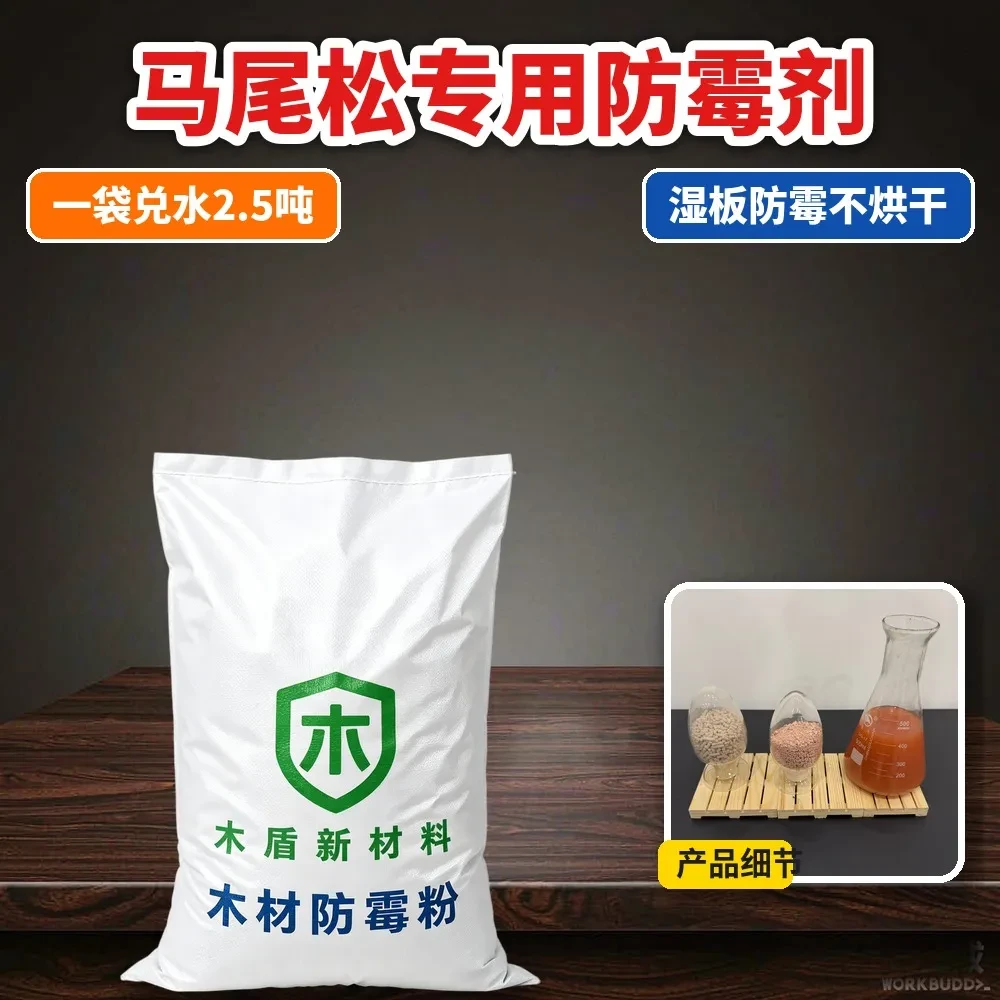
MSDS Preparation: Ingredient Information is Key
The MSDS is the foundational document for chemicals entering the EU market. Under the EU REACH Regulation (EC 1907/2006) and CLP Classification Standard (EC 1272/2008), all chemicals must have a Safety Data Sheet (SDS) formatted according to GHS, containing 16 standard sections—from chemical identification and hazard overview to composition/information on ingredients, transport information, and regulatory details. Each section has specific formatting and content requirements. Domestic manufacturers can use GB/T 16483, "Safety Data Sheet for Chemicals – Contents and Order of Items," as a reference to ensure alignment with the EU GHS version.
The key is that the CAS (Chemical Abstracts Service) numbers for each ingredient must be accurately matched. For wood preservatives, common active ingredients such as propiconazole, IPBC, and DCOIT require their respective CAS numbers to be listed individually, and concentration ranges for all components in the mixture must be precisely specified. EU customs authorities and downstream users rely on the MSDS to determine hazard classifications and transport requirements; any data inconsistencies will directly result in clearance delays.
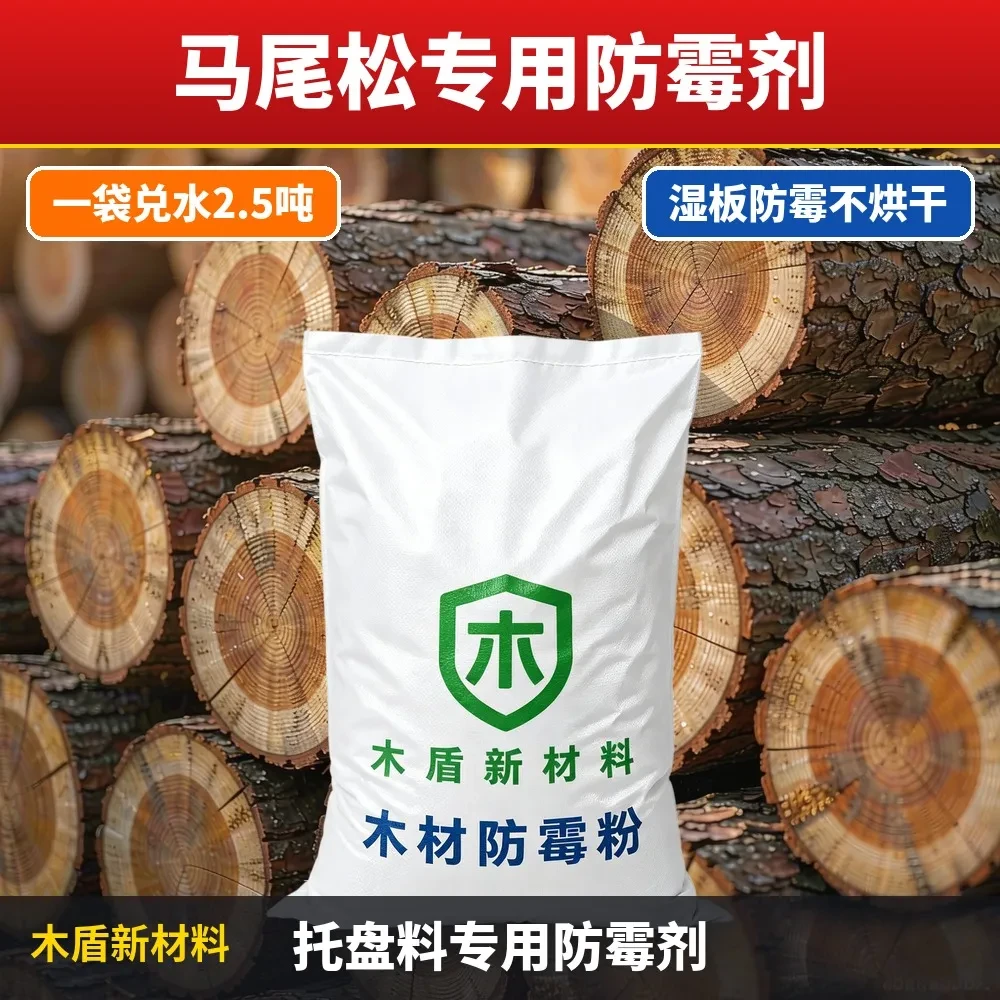
We complete MSDS preparation and review before product shipment to ensure full alignment between ingredient information and production formulas. For our anti-mold wood shield products exported to Southeast Asia, we tailored the MSDS during its creation to address regulatory differences across target countries, preventing costly delays and resubmissions due to data mismatches upon arrival.
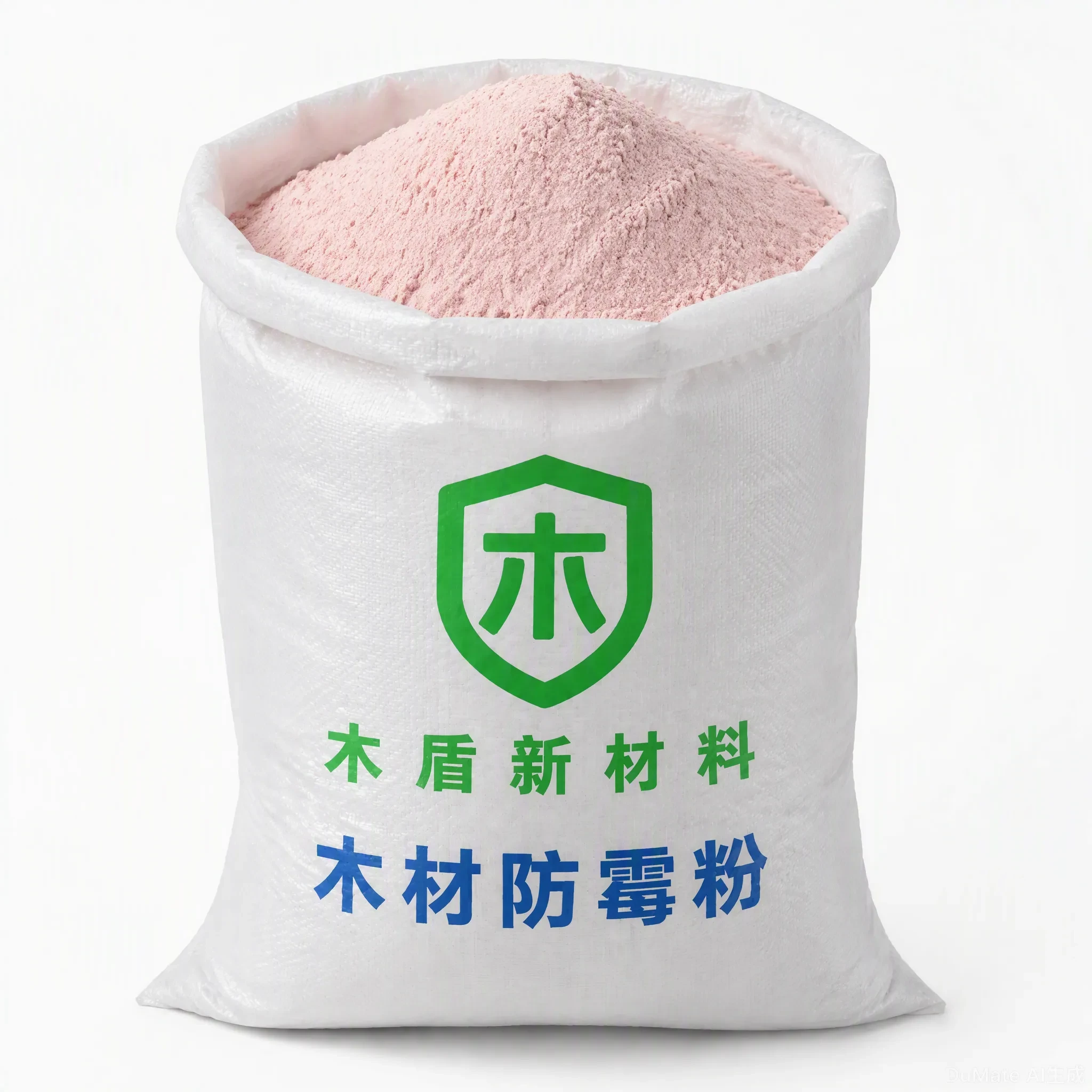
PPWR Compliance: Regulatory Boundaries for Packaging Materials
The Packaging and Packaging Waste Regulation (PPWR) sets clear technical and management requirements for packaging and packaging materials entering the EU market. As a chemical, wood preservatives must comply with these regulations regarding their packaging containers, label materials, and outer carton sealing.
Core requirements: The total heavy metal content (lead, cadmium, mercury, and hexavalent chromium) in packaging materials must not exceed 100 ppm, per EU Directive 94/62/EC and its amendments 2018/852/EU. Packaging must display material identification codes (following ISO 11469 plastic identification and ISO 1043 plastic symbols) to facilitate sorting by consumers and recyclers. Additionally, packaging must indicate whether it is recyclable or reusable. For liquid containers under 25 liters, the packaging must also meet child-resistant (EN ISO 8317) and tamper-evident requirements.
Our export solutions integrate PPWR compliance from the packaging design phase. We select containers that meet weight limits and use labeling materials that satisfy regulatory requirements for material coding and identification, minimizing rework costs due to non-compliant packaging.
Chemical Ingredient Compliance: Intersection of MSDS and Regulations
MSDS and PPWR govern documentation and packaging, but active chemical ingredients are also subject to national chemical regulations. Under the EU REACH regulation, any substance imported annually in quantities exceeding 1 tons must be registered with the European Chemicals Agency (ECHA); unregistered substances cannot enter the EU market. Some anti-mold active ingredients may be classified as SVHC (Substances of Very High Concern), requiring additional notification.
Chemical regulatory frameworks vary across Southeast Asian markets. Malaysia's EHSR (Environmental Health and Safety Regulations) classifies hazardous substances differently from the EU, meaning an anti-mold agent's MSDS may require adjustments in ingredient disclosure depending on the market. Our strategy is to configure formulations separately for each target market, ensuring all active ingredients comply with local regulatory lists rather than using a single product universally.
Mildew Prevention Standard: Basis for Performance Verification
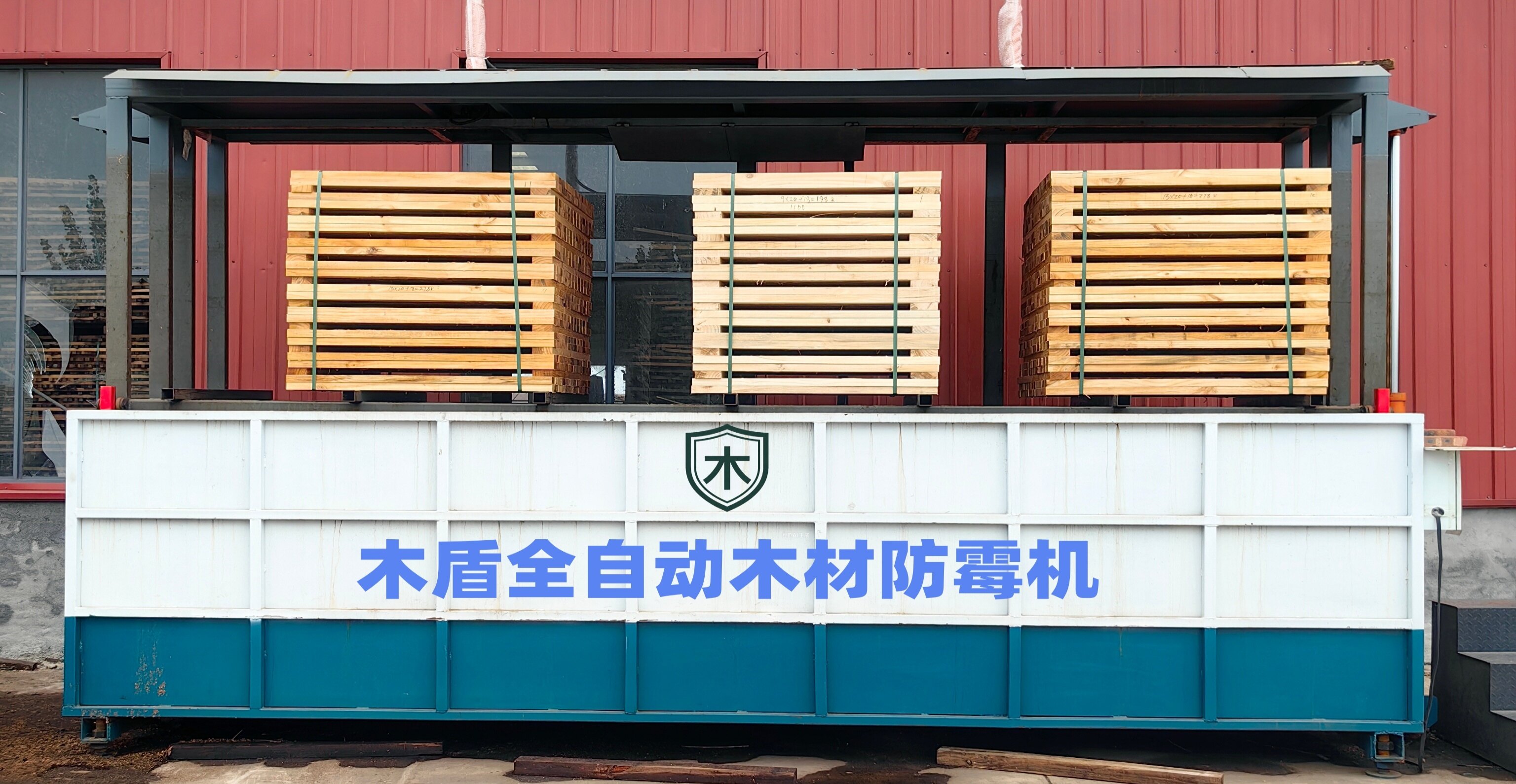
Compliance with active ingredients addresses "market access," while mold prevention standards address "verifiable efficacy." Since testing methods and acceptance criteria for wood mold resistance vary by market, exporters must identify the applicable standards for their target markets.
In the EU market, compliance primarily relies on EN 152, "Wood preservatives — Determination of efficacy against blue-stain fungi," and EN 113-2, "Wood preservatives — Determination of protective effectiveness against wood-rotting fungi." These standards define the laboratory testing procedures, selection of inoculum strains, and classification of anti-mold efficacy levels. EN 152 focuses on inhibiting blue-stain fungi, while EN 113-2 evaluates protection against wood-rotting fungi. Used together, they cover most anti-mold verification requirements for export scenarios.
The standardization landscape in Southeast Asia is relatively fragmented. Malaysia follows the MS standards framework, with some projects directly adopting EU EN standards as equivalents. Thailand and Indonesia primarily rely on their national standards or international ISO standards. Domestic manufacturers can use GB/T 22109 "Test methods for anti-mold performance of wood" and LY/T 2004 "Wood anti-mold agents" as baseline references, while supplementing with additional test items required by target market regulations.
We conduct full testing against target market standards before products leave the factory and issue corresponding test reports. These reports, used together with MSDS, form a complete compliance package that reduces back-and-forth communication costs for customers during customs clearance and acceptance.
Packaging Labels: The Final Step in Compliance
Packaging labels are the most visible and often overlooked link in the compliance chain. In the EU market, labels must include product identification, supplier name and address, hazard pictograms, signal words, hazard statements (H phrases), precautionary statements (P phrases), batch number, and net content. The label format must comply with the labeling rules set out in Annex II of CLP Regulation (EC 1272/2008). Label text must be in the official language(s) of the importing country: for exports to Malaysia, provide English or Malay versions; for exports to Germany, provide a German version.
Label materials must be resistant to chemical corrosion and transport friction to ensure legibility throughout the product's shelf life. Our label management process includes a three-step verification: during design, we cross-check PPWR material codes and labeling requirements; upon finalization, we align hazard and precautionary statements with the MSDS; before printing, we confirm the language version and batch details. This workflow ensures labels comply with all regulatory requirements and minimizes returns due to labeling errors.
Conclusion
Export compliance for wood preservatives is not a single-step process but an end-to-end chain covering formula design, mold resistance validation, packaging selection, and label creation. MSDS addresses "what the product is," mold resistance standards address "whether efficacy can be verified," and PPWR addresses "how packaging is regulated." Together, these three form the market entry threshold. With clear standards and proper execution at every stage, products will smoothly clear customs and enter target markets.
Read More
Learn more about wood mold prevention, anti-corrosion, and blue stain removal.
Basics of Wood Mold Prevention
Wood mold is caused by the proliferation of mold spores under favorable conditions. Mold growth requires three essential elements: nutrients, moisture, and suitable temperatures. Wood contains abundant cellulose, hemicellulose, and lignin, which serve as natural nutrient sources for mold. When wood moisture content exceeds 20%, mold spores germinate on the wood surface, forming visible mold spots.
Different tree species have varying mold risks. According toChinese Academy of ForestryResearch shows that poplar, with its low density and large pores, absorbs water quickly but dries out rapidly. Pine species (such as Masson pine and Chinese white pine) contain high levels of resin; the oily layer hinders moisture evaporation, causing internal areas to remain highly humid for extended periods and significantly increasing the risk of mold. Select an appropriateWood Mold InhibitorConsider wood species, moisture content, and application scenario.
Wood Mold Inhibitor Selection Guide
When selecting a wood mildewcide, evaluate it across three key dimensions. Mildew efficacy testing can follow:GB/T 18261-2013 "Test Method for Evaluating the Efficacy of Fungicides Against Wood Mold and Discoloration Fungi"method. When selecting a product, penetration is the primary factor; the fungicide must penetrate deep into the wood to establish lasting protection. Water-based fungicides offer strong penetration and are ideal for immersion treatment. Powdered types require thorough dissolution before use, while emulsion types are best suited for surface spraying.
Next is environmental compliance. Exported products must meet the environmental regulations of the destination country, such as the EU's PPWR and import standards in Southeast Asian countries. Finally, consider the protection cycle. Different usage scenarios require different levels of durability; indoor wood storage and outdoor wooden pallets need entirely different protection ratings. MuDun anti-mildew agent provides a complete MSDS and test reports to support...Southeast Asia Foreign Trade Exports。
Wood Mold Prevention Construction Methods
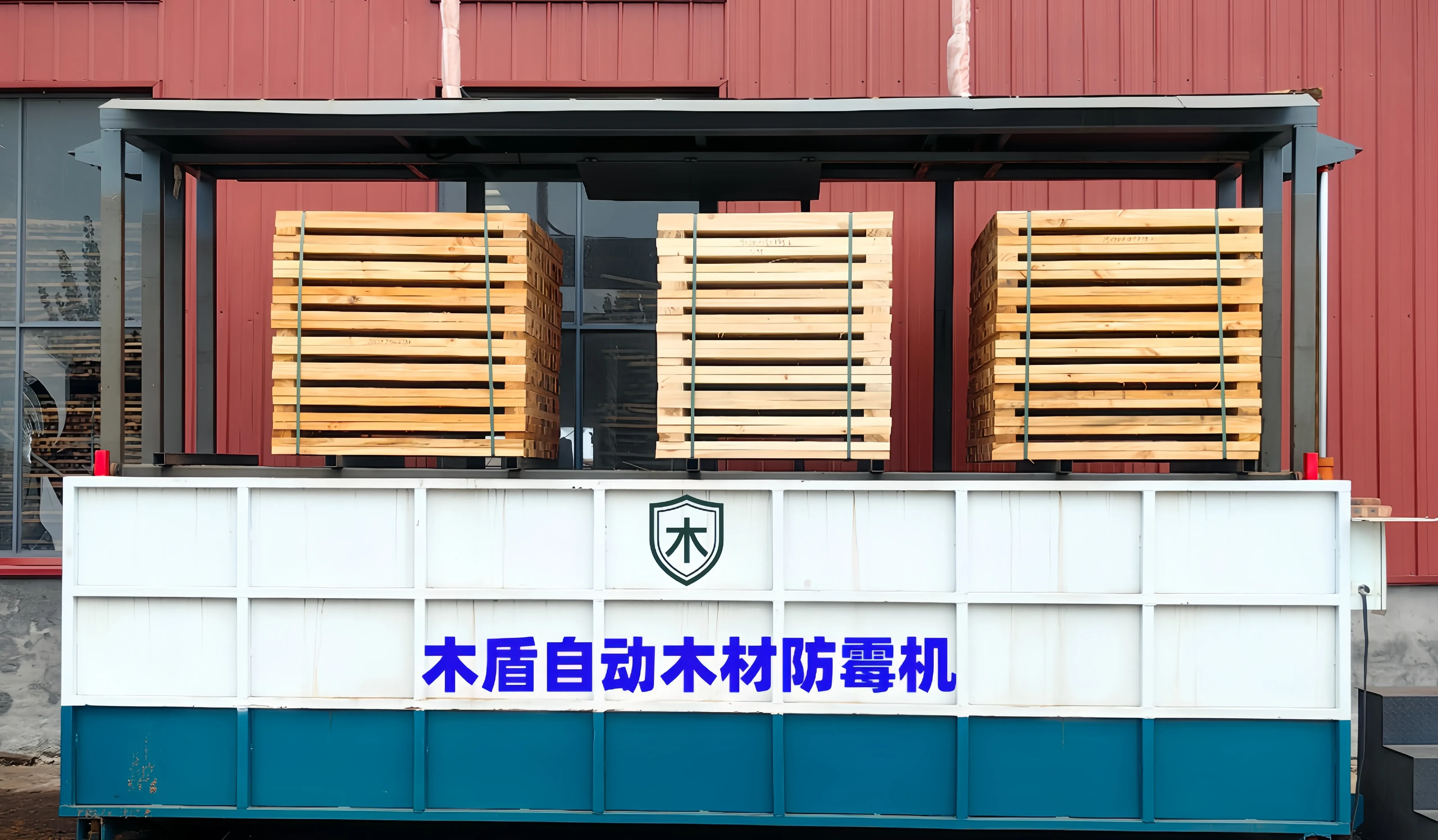
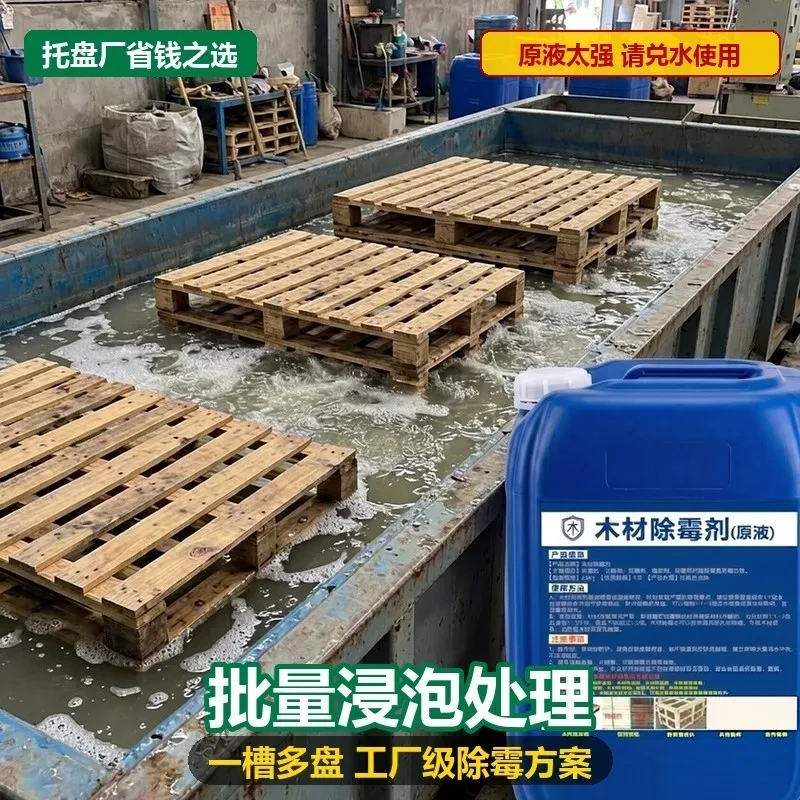
In actual production, wood anti-mold agents are primarily applied using the immersion method. After diluting the agent with water according to the specified ratio, fully immerse the wood in the solution for 3-5 minutes to ensure thorough penetration into the wood interior. Once removed, drain excess solution. The wet wood can proceed directly to subsequent processing steps without waiting to dry.
For large timber or assembled wooden pallets and boards, surface treatment can be applied via spraying or brushing. Wear protective gloves and a mask during application, and ensure the work area is well-ventilated. Water absorption rates and oil content vary by wood species (e.g., poplar, pine, slash pine, larch, mixed hardwood), so adjust the chemical concentration and soaking time accordingly. Learn moreTechnical Solution。
Wood Export Mold Prevention Requirements
Wood products for export typically require mold prevention treatment and supporting technical documentation. Common compliance documents include MSDS (Material Safety Data Sheet), test reports, and declarations of conformity. Mold prevention requirements vary by country and region; the Southeast Asian market primarily focuses on PPWR regulation compliance. Learn moreExport Service Details。
Mildewproofing effect reference for wood mold inhibitorGB/T 18261The testing methods described herein provide comprehensive export compliance documentation, meeting environmental regulations of major Southeast Asian wood-importing countries such as Malaysia, Vietnam, Thailand, and Indonesia. Exporters may refer toState Forestry and Grassland AdministrationPublish the wood export guide, prepare relevant documents in advance, and ensure smooth customs inspection.