Customer Case Study: Production Capacity and Labor Cost Comparison for Wood Pallet Factories After Implementing the Fully Automatic Anti-Mold Machine
Using a wooden pallet factory's transformation as a case study, this analysis breaks down the actual changes in production capacity and labor costs after the deployment of an automated wood anti-mold machine.
Mold prevention is a non-negotiable step in pallet manufacturing. In humid southern climates, if freshly cut lumber isn't treated within the critical window, mold and blue stain risks rise alongside moisture content. Traditional methods relying on manual soaking and open-air drying are bottlenecked by weather and labor, increasingly constraining production capacity. This case study analyzes a pallet manufacturer's retrofit, detailing the actual improvements in output and labor costs after deploying an automated wood mold-prevention system.
Pre-transformation process bottlenecks
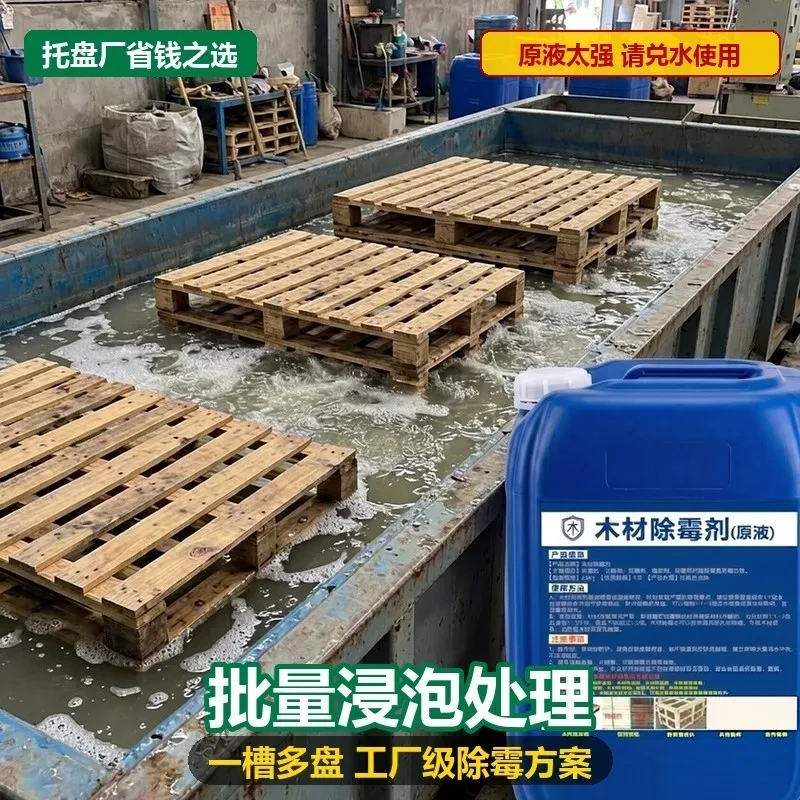
The wood pallet factory originally used a manual soaking and natural air-drying process for anti-mold treatment. The workshop was equipped with one set of soaking tanks and an open-air drying yard. Operators adjusted the chemical concentration based on experience, while all wood flipping and stacking were done manually. After running for several years, issues began to emerge.
The drying cycle is highly weather-dependent. Continuous rainy days halt operations, causing untreated wood to accumulate in the workshop and forcing a slowdown in sawing capacity. Inconsistent manual handling and soaking rhythms lead to uneven chemical penetration; some wood lacks adequate protection while other areas receive excess chemicals. The anti-mold process becomes the production line's bottleneck, constraining both upstream sawing and downstream assembly output. During peak order periods, this results in delivery delays; during off-peak seasons, it leads to idle facilities and labor.
Process Reengineering Driven by Fully Automated Equipment
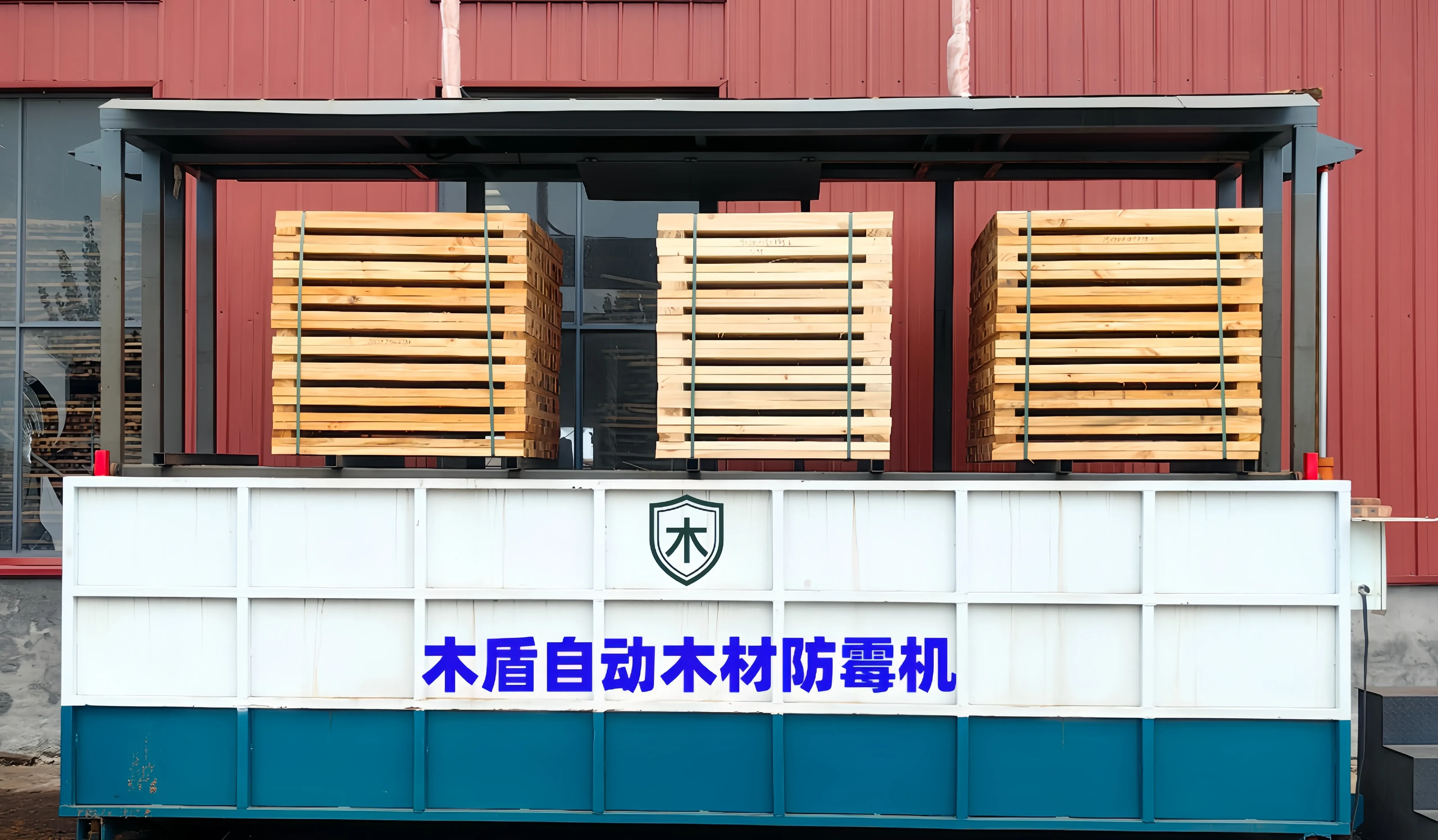
The core upgrade introduces an automated wood anti-mold machine to replace the original soaking pools and manual processes. The equipment integrates soaking, spraying, and draining into a single automated production line. After entering via the conveyor system, timber undergoes chemical soaking, uniform spraying, and liquid recovery without any manual handling or flipping.
Process reengineering directly compresses cycle times. Traditional methods required days from soaking to drying; automated equipment reduces this to hours. Continuous operation, unaffected by weather or shifts, transforms the mold-prevention step from a production bottleneck into a stable output node. Upstream sawing and downstream assembly schedules are realigned accordingly, boosting overall capacity utilization.
Structural changes in labor costs
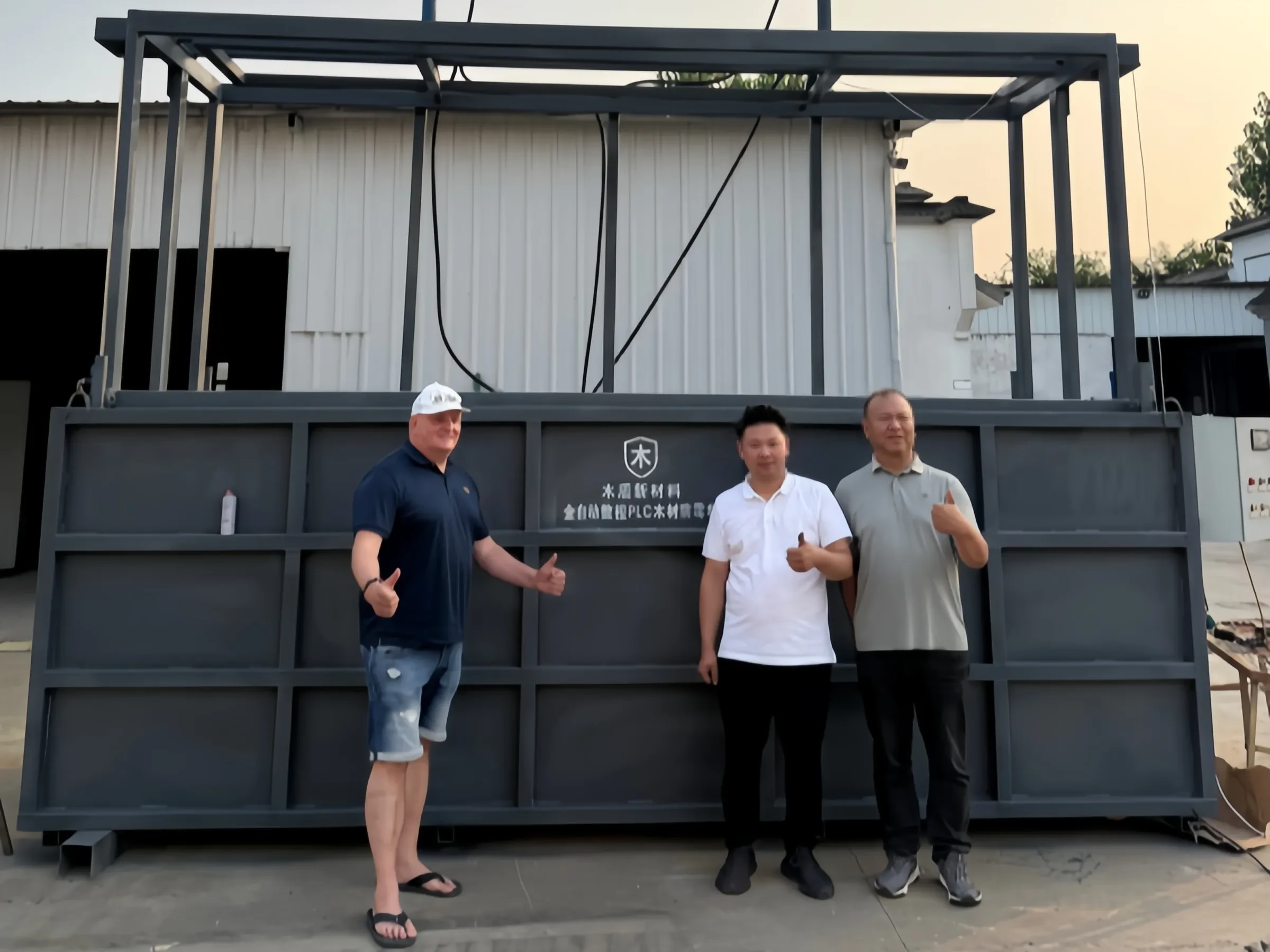
The most direct metric for before-and-after comparison is manual configuration. Under traditional processes, soaking pool operations, wood handling and flipping, and stacking/collapsing in drying yards require multiple-person collaboration, resulting in high labor intensity and efficiency that depends on worker status. After deploying automated equipment, manual handling is replaced by mechanical operations; a single line requires only minimal personnel for loading/unloading and parameter monitoring.
Changes in labor costs occur at two levels. First, total headcount decreases: each line requires fewer workers post-modification, shifting mold prevention labor from shift-based variable pay to line-based fixed costs. Second, risk-related costs decline: reduced direct human contact with chemicals lowers occupational health risks. For wood pallet manufacturers, leaner staffing provides greater flexibility to adjust during order fluctuations.
Formulation Cost and Process Consistency
Automated equipment offers superior control precision for chemical application compared to manual operations. By programming immersion time and solution concentration, automation ensures consistent penetration depth and coverage across every wood batch. In contrast, manual processes suffer from chemical waste and uneven penetration. Automation delivers measurable improvements in chemical utilization rates.
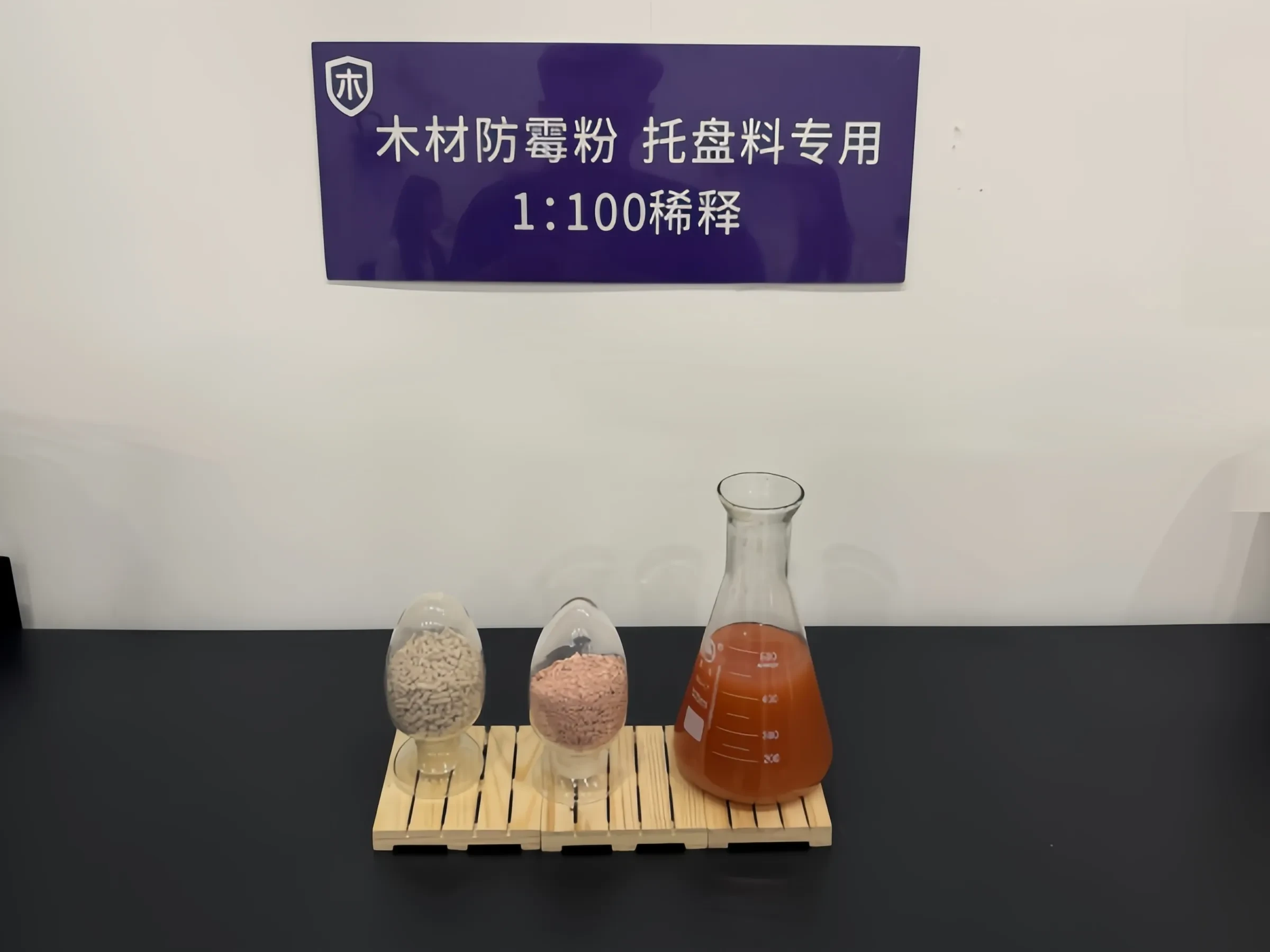
Works seamlessly with wood mold inhibitor. Equipment parameters and chemical formulations have been fine-tuned together to optimize the utilization of active ingredients. For export-oriented wooden pallet manufacturers, preparing compliance documentation such as MSDS and PPWR relies on traceable process parameters and quantifiable chemical usage. Automated equipment provides the necessary process support to meet these compliance requirements.
Comprehensive benefits after retrofitting
The benefits of the retrofit are reflected in three dimensions. In terms of capacity, mold prevention is no longer constrained by weather or labor availability; daily throughput has increased, and the production line cycle time has become more balanced. Regarding cost, reduced staffing directly lowers labor expenses, while precise chemical dosing reduces material costs; together, these improvements lower the per-pallet mold prevention cost. In quality, standardized process parameters have narrowed batch-to-batch variability and reduced customer complaint rates.
For wooden pallet manufacturers, automating the anti-mold process isn't just about replacing equipment—it's a shift in production methodology. It moves from relying on manual expertise to depending on equipment standards: capacity is determined by machine parameters, quality by process parameters, and cost by equipment efficiency. This transition gives factories greater flexibility to adjust when order volumes fluctuate.
Suqian Mudun New Materials Technology Co., Ltd. delivers complete wood protection solutions for pallet manufacturers, featuring fully automated anti-mold machines paired with Mudun anti-mold agents and end-to-end technical support from equipment selection to process commissioning. Our one-stop service—from chemicals to machinery—helps pallet producers upgrade from traditional anti-mold methods to automated anti-mold production lines.
Read More
Learn more about wood mold prevention, anti-corrosion, and blue stain removal.
Basics of Wood Mold Prevention
Wood mold is caused by the proliferation of mold spores under favorable conditions. Mold growth requires three essential elements: nutrients, moisture, and suitable temperatures. Wood contains abundant cellulose, hemicellulose, and lignin, which serve as natural nutrient sources for mold. When wood moisture content exceeds 20%, mold spores germinate on the wood surface, forming visible mold spots.
Different tree species have varying mold risks. According toChinese Academy of ForestryResearch shows that poplar, with its low density and large pores, absorbs water quickly but dries out rapidly. Pine species (such as Masson pine and Chinese white pine) contain high levels of resin; the oily layer hinders moisture evaporation, causing internal areas to remain highly humid for extended periods and significantly increasing the risk of mold. Select an appropriateWood Mold InhibitorConsider wood species, moisture content, and application scenario.
Wood Mold Inhibitor Selection Guide
When selecting a wood mildewcide, evaluate it across three key dimensions. Mildew efficacy testing can follow:GB/T 18261-2013 "Test Method for Evaluating the Efficacy of Fungicides Against Wood Mold and Discoloration Fungi"method. When selecting a product, penetration is the primary factor; the fungicide must penetrate deep into the wood to establish lasting protection. Water-based fungicides offer strong penetration and are ideal for immersion treatment. Powdered types require thorough dissolution before use, while emulsion types are best suited for surface spraying.
Next is environmental compliance. Exported products must meet the environmental regulations of the destination country, such as the EU's PPWR and import standards in Southeast Asian countries. Finally, consider the protection cycle. Different usage scenarios require different levels of durability; indoor wood storage and outdoor wooden pallets need entirely different protection ratings. MuDun anti-mildew agent provides a complete MSDS and test reports to support...Southeast Asia Foreign Trade Exports。
Wood Mold Prevention Construction Methods
In actual production, wood anti-mold agents are primarily applied using the immersion method. After diluting the agent with water according to the specified ratio, fully immerse the wood in the solution for 3-5 minutes to ensure thorough penetration into the wood interior. Once removed, drain excess solution. The wet wood can proceed directly to subsequent processing steps without waiting to dry.
For large timber or assembled wooden pallets and boards, surface treatment can be applied via spraying or brushing. Wear protective gloves and a mask during application, and ensure the work area is well-ventilated. Water absorption rates and oil content vary by wood species (e.g., poplar, pine, slash pine, larch, mixed hardwood), so adjust the chemical concentration and soaking time accordingly. Learn moreTechnical Solution。
Wood Export Mold Prevention Requirements
Wood products for export typically require mold prevention treatment and supporting technical documentation. Common compliance documents include MSDS (Material Safety Data Sheet), test reports, and declarations of conformity. Mold prevention requirements vary by country and region; the Southeast Asian market primarily focuses on PPWR regulation compliance. Learn moreExport Service Details。
Mildewproofing effect reference for wood mold inhibitorGB/T 18261The testing methods described herein provide comprehensive export compliance documentation, meeting environmental regulations of major Southeast Asian wood-importing countries such as Malaysia, Vietnam, Thailand, and Indonesia. Exporters may refer toState Forestry and Grassland AdministrationPublish the wood export guide, prepare relevant documents in advance, and ensure smooth customs inspection.