How wood mold-proofing manufacturers build end-to-end solutions from R&D to delivery
Choosing a wood mold inhibitor manufacturer means selecting a system capable of end-to-end solution delivery—from formula R&D and process adaptation to compliant fulfillment. This article analyzes how manufacturers build complete wood protection solutions across four dimensions: technical compatibility, process adaptability, regulatory compliance, and product portfolio.
Wood mold is a biological issue caused by the proliferation of mold spores, which requires nutrients, moisture, and suitable temperatures to occur simultaneously. When wood moisture content exceeds 20%, fungal hyphae can begin to germinate. Risk levels vary significantly by species: poplar has low density and absorbs water quickly; pine contains resin that hinders evaporation, keeping the interior in a persistently high-humidity state; while risks for mixed hardwoods and fir depend on seasonal humidity. Under humid conditions such as the rainy season or high heat and humidity, untreated wood can show signs of mold within 3 to 7 days. Blue stain results from blue-stain fungi invading the wood's vascular system, affecting both appearance and mechanical properties. Export products must use specialized anti-blue-stain agents to prevent this.
Selecting a wood anti-mold agent manufacturer is essentially choosing a system capable of delivering from formula R&D and process adaptation to compliant fulfillment.
Technical Matching: Preservative Formulation Logic by Tree Species
The core challenge in wood mold prevention is penetration. In high-oil woods like slash pine and Chinese pine, resin blocks the penetration of preservatives into the wood interior; surface treatment alone cannot solve the root cause. These woods require specialized formulas containing defatting agents to ensure active ingredients reach deep within the wood.
Poplar and mixed woods have low density and high water absorption, so a general-purpose liquid formulation is sufficient. The standard dilution ratio ranges from 1:50 to 1:100, with an immersion time of 3 to 5 minutes. Due to structural differences between plywood and pallet materials, the anti-mold agent must offer varying penetration rates and adhesion capabilities.
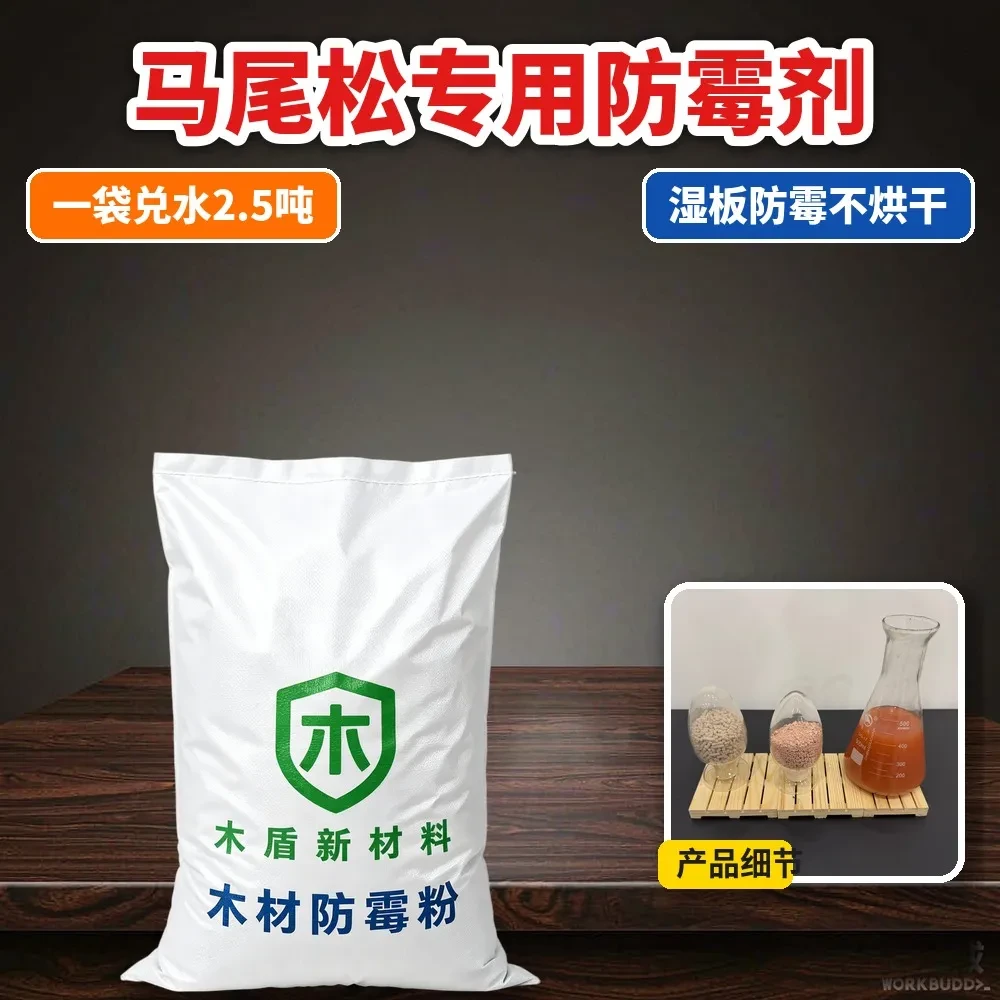
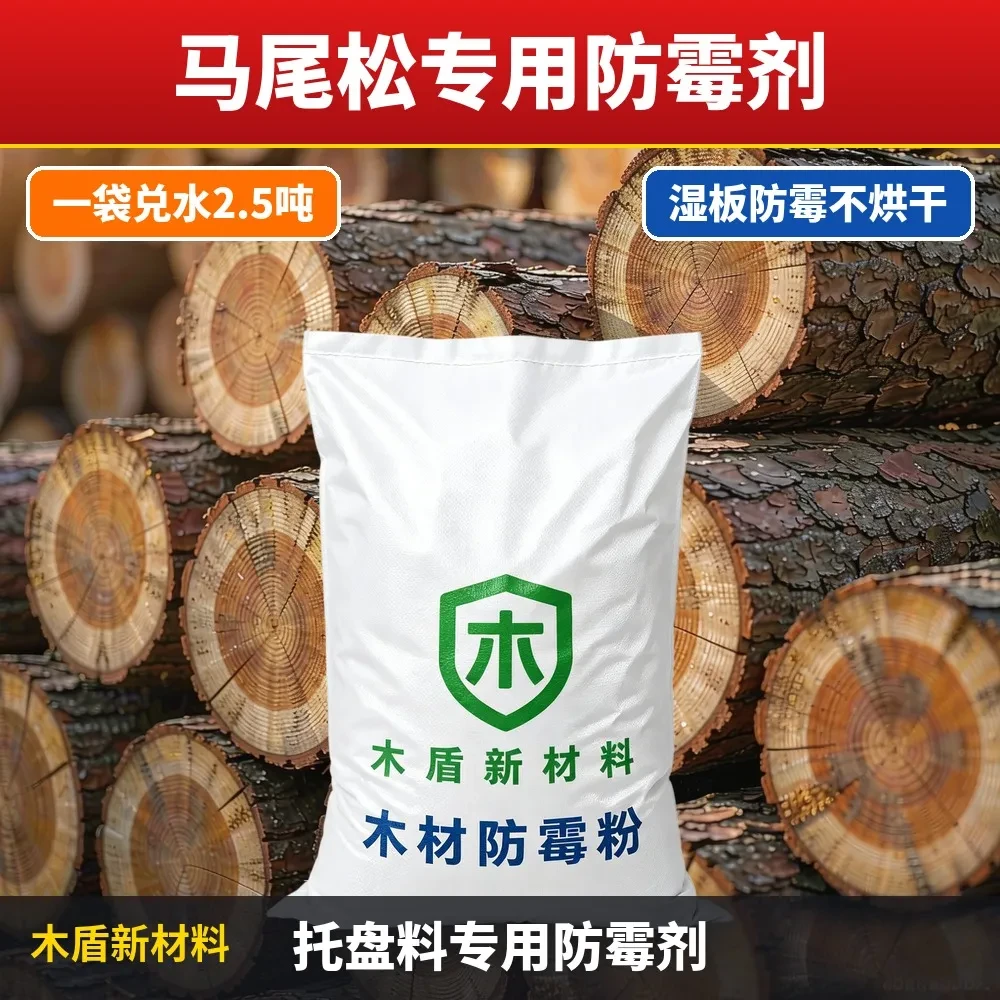
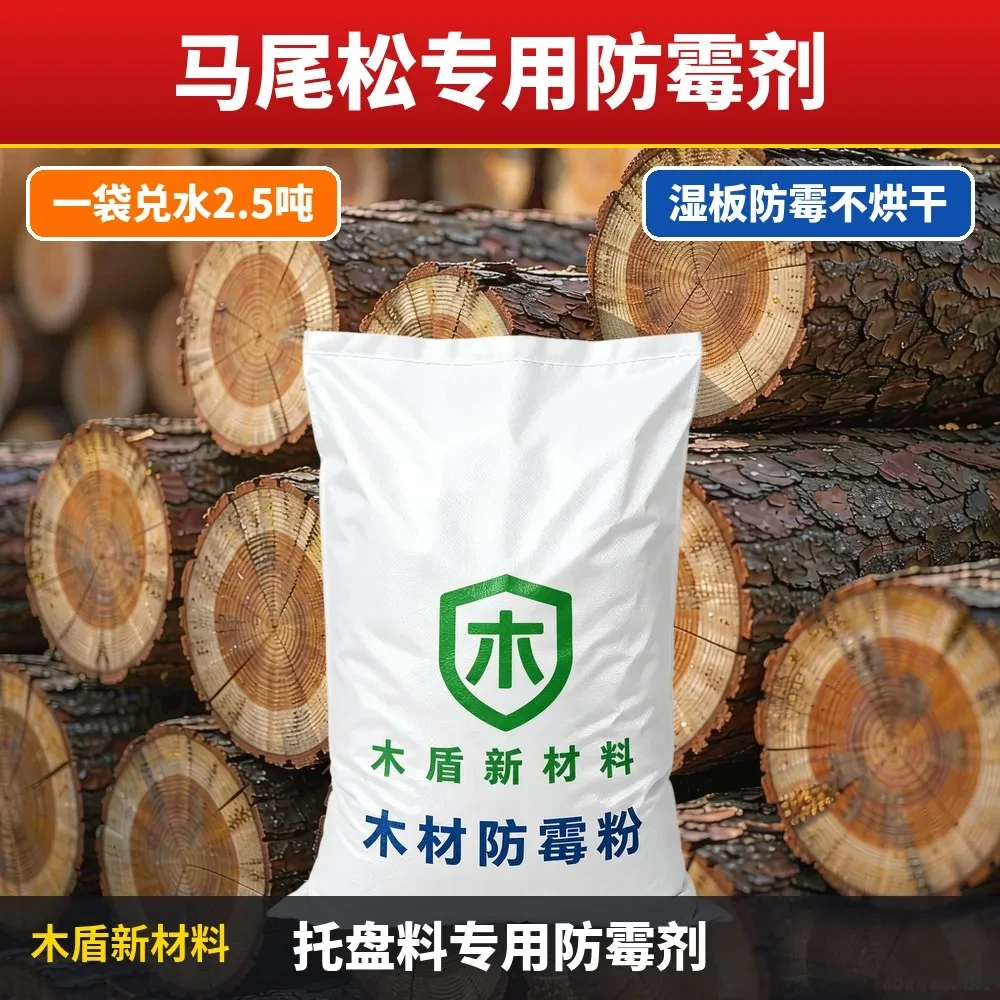
Our wood preservative line is categorized by tree species, with specialized formulations developed for Pinus massoniana, Pinus tabuliformis, poplar, plywood, miscellaneous hardwoods, and pallet materials. This classification is based on the fundamental fact that different tree species have distinct cell structures, oil contents, and water absorption characteristics; a one-size-fits-all product cannot achieve equivalent performance across all scenarios.
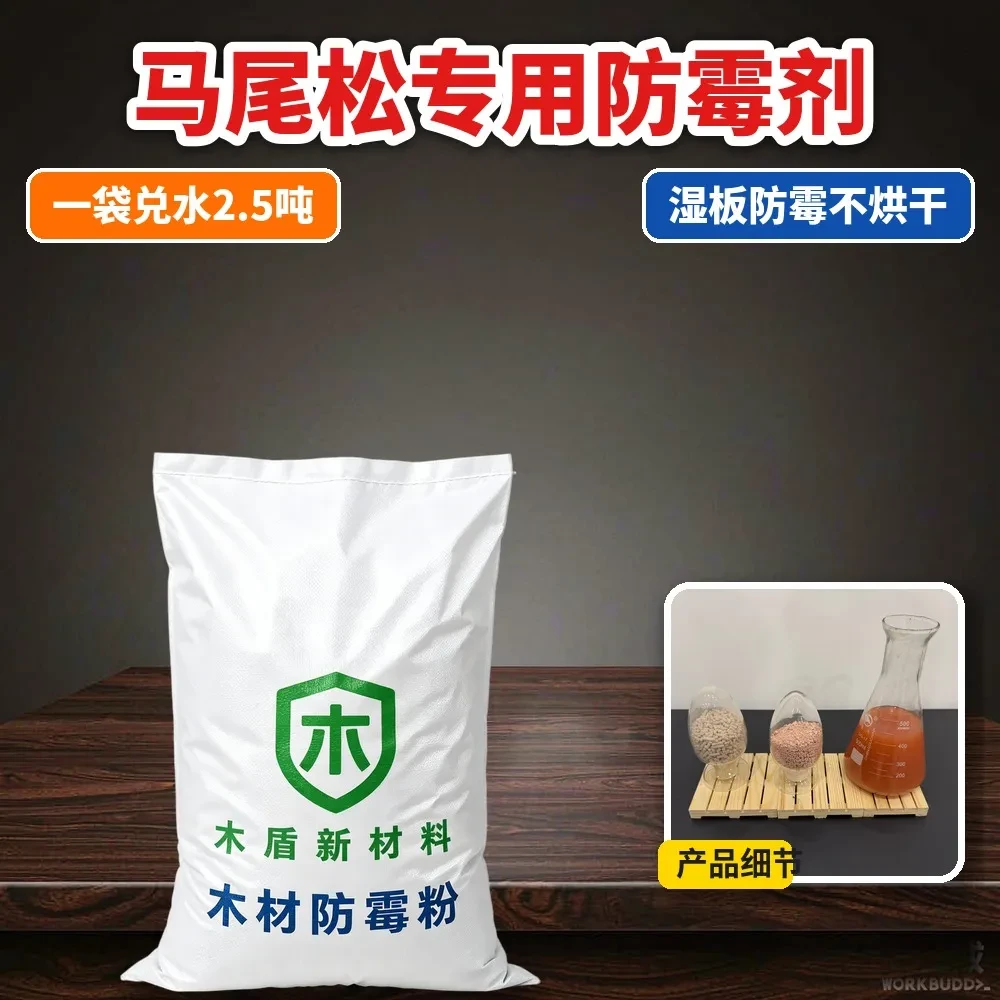
Process Adaptation: Upgrading from Soaking to Fully Automated Production Lines
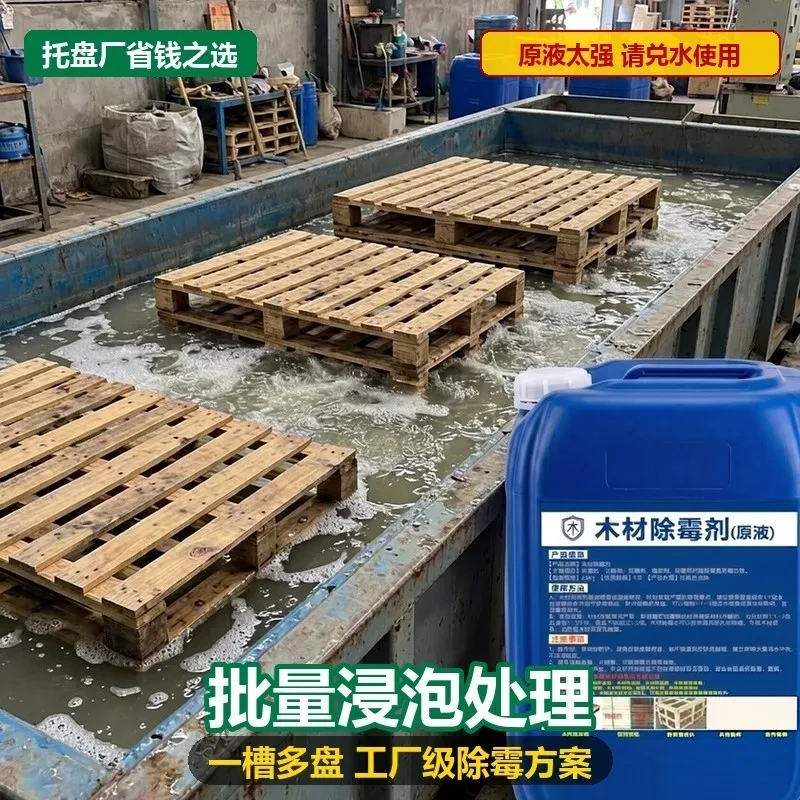
The construction process directly determines the actual effectiveness of the antimicrobial agent. The immersion method is the most basic treatment: wood is fully submerged in a diluted antimicrobial solution, allowing active ingredients to penetrate deep into the wood via capillary action. This approach suits small and medium-sized processing enterprises due to its low equipment investment and operational flexibility.
Wet wood preservation without drying is an alternative process. Traditional methods require drying the wood before applying mold inhibitors, but the drying step consumes time and energy. Our wet wood preservation solution uses a specialized formula to treat wood while it remains at high moisture content, ensuring deep penetration in its natural state and eliminating the need for drying. This approach offers an optimal balance of efficiency and cost for enterprises with high production demands and limited storage space.
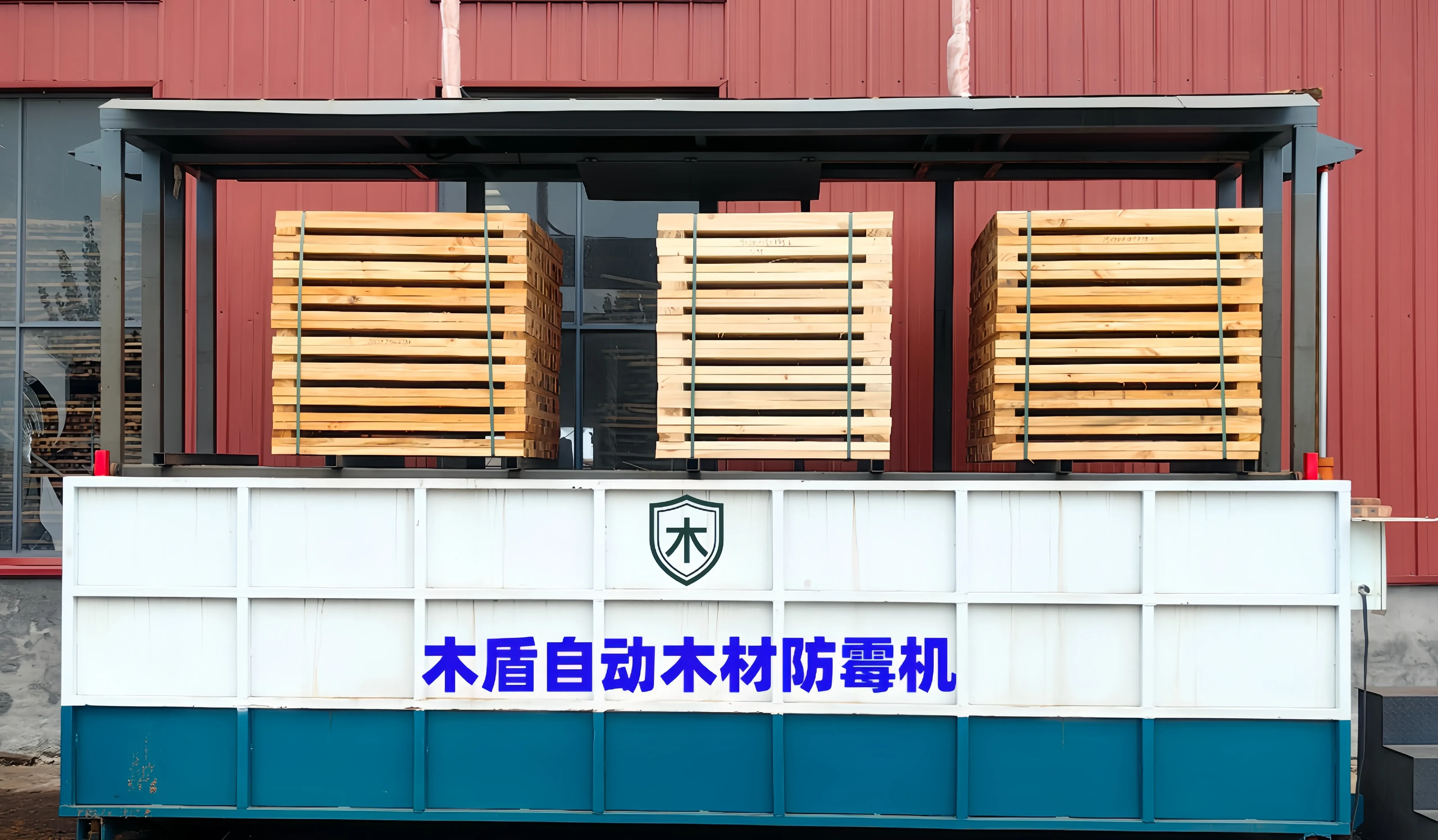
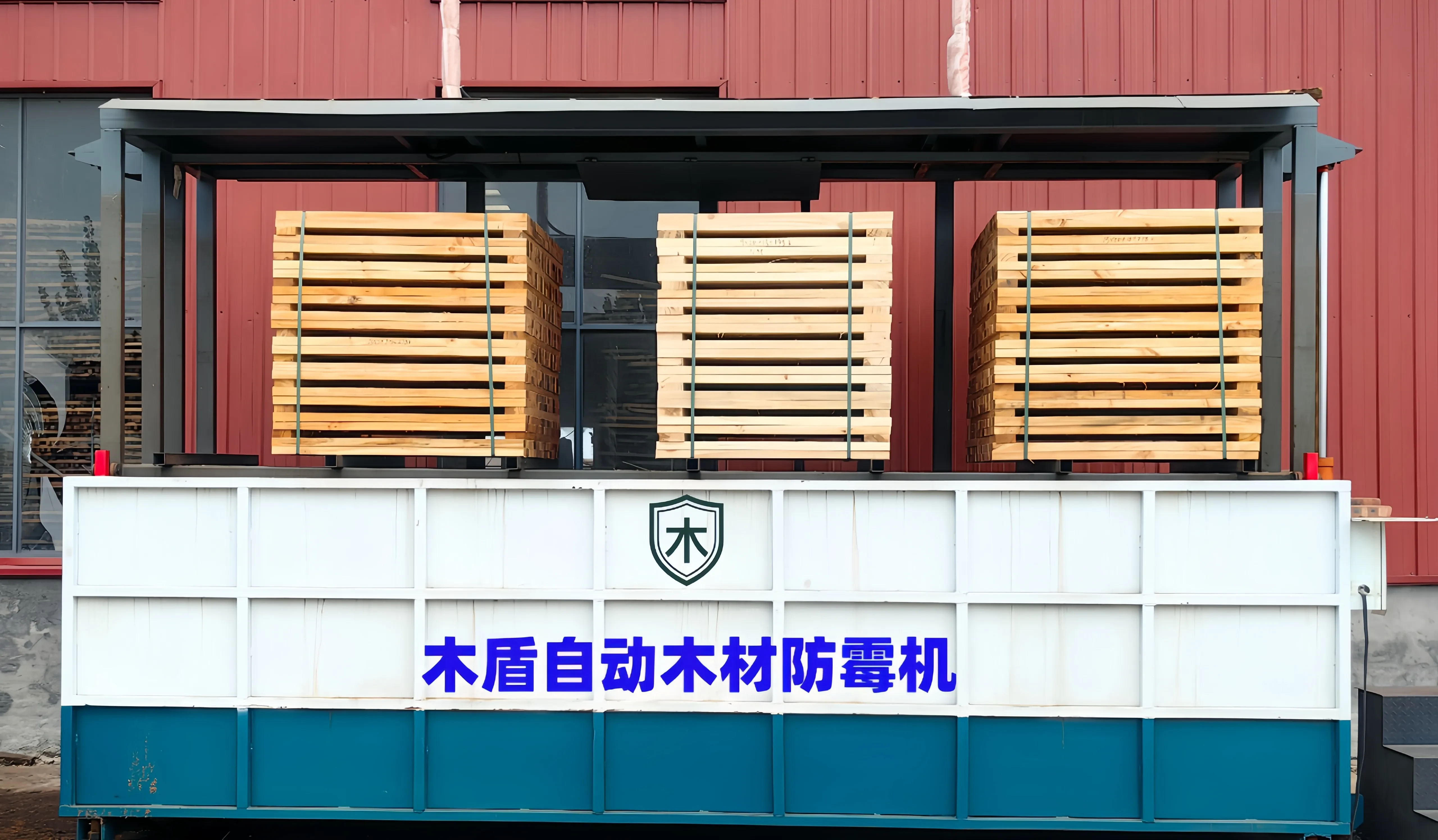
The Fully Automatic Wood Mold Prevention Machine is designed for production line retrofits in large enterprises. It enables continuous operations, automating the entire process from wood loading to soaking or spraying and finally draining and unloading. The core of a line retrofit lies not in the equipment itself, but in its alignment with existing production rhythms—ensuring processing time, cycle rates, and footprint are fully coordinated with current processes.
Compliance Capabilities: Export Market Certifications and Testing Requirements
Exporters of wood products face increasingly stringent compliance requirements. National Standard GB/T 35834-2018 "Wood Antifungal Agents" specifies basic performance criteria, while the treatment process must comply with LY/T 2080-2013 "Technical Code for Wood Antifungal Treatment." These standards represent the foundational threshold for the domestic market.
Compliance requirements for export markets are more complex. Southeast Asian markets focus on PPWR (Packaging and Packaging Waste Regulation) compliance, while the EU requires adherence to REACH (Registration, Evaluation, Authorization, and Restriction of Chemicals) regulations. All exported products must include an MSDS (Material Safety Data Sheet) and third-party test reports. We recommend using a CNAS-accredited laboratory for testing to ensure international recognition of the results.
The Wood Shield Anti-Mold Agent complies with MSDS, PPWR, and REACH regulations, serving the Southeast Asian export market. Compliance is not a post-production formality but a systemic capability integrated from the formulation design stage.
Product Matrix: 12 products covering end-to-end needs
Wood protection is a multi-stage engineering challenge. Mold, blue stain, blackening, and decay each involve distinct chemical mechanisms and require specific treatments. No single product covers all scenarios; the completeness of a product portfolio directly reflects a manufacturer's technical capabilities.
MuDun New Materials offers 12 products covering the full spectrum of wood protection needs, including mold prevention, mold removal, blue stain inhibition, and rot resistance. Available in liquid, powder, and emulsion forms, each is tailored to specific application methods: liquids for soaking, powders for dissolution before use, and emulsions for spray application. Our eco-friendly wood mold prevention emulsion is designed for scenarios with stringent environmental compliance requirements.
This product structure is designed to address the diversity of wood processing enterprises, which vary in raw material sources, product types, and export destinations. Instead of offering a single product, it provides customizable solutions tailored to specific conditions.
Key Criteria for Selecting a Manufacturer
The value of a wood mold inhibitor manufacturer lies not in product quantity, but in delivering end-to-end capabilities—from technical compatibility and process adaptation to compliant delivery. Species matching determines efficacy, process adaptation drives production efficiency, and compliance capability ensures market access.
Suqian Mudun New Material Technology Co., Ltd. (Brand: MUDUN NEW MATERIALS) is a B2B solutions provider specializing in new wood protection materials and automated equipment, featuring the "Mudun Anti-Mold Agent" brand. Our core products include wood anti-mold agents, anti-mold powders, mold removers, bleaches, blue stain removers, preservatives, eco-friendly wood anti-mold emulsions, and species-specific anti-mold agents. We also supply fully automatic wood anti-mold machines supporting wet-wood processing without drying.
Our business spans domestic wood processing industrial clusters and Southeast Asian export markets (including Malaysia), serving clients such as wood pallet manufacturers, plywood mills, lumber processing plants, mosquito coil powder factories, bamboo and wood craft workshops, furniture makers, cutting board producers, and overseas timber buyers. We operate across wood deep processing, wooden packaging manufacturing, furniture production, biomass fuel processing, and cross-border wood product trade.
These capabilities are not a standalone product list but an interconnected system—spanning from formula development to process adaptation, and from domestic delivery to export compliance—forming a complete wood protection solution.
Before selecting a wood mold inhibitor manufacturer, confirm three key points: Can they provide custom formulations for specific wood species? Do their solutions match your existing production processes? Are they compliant with target market regulations? The answers to these questions determine the foundation of your partnership.
Read More
Learn more about wood mold prevention, anti-corrosion, and blue stain removal.
Basics of Wood Mold Prevention
Wood mold is caused by the proliferation of mold spores under favorable conditions. Mold growth requires three essential elements: nutrients, moisture, and suitable temperatures. Wood contains abundant cellulose, hemicellulose, and lignin, which serve as natural nutrient sources for mold. When wood moisture content exceeds 20%, mold spores germinate on the wood surface, forming visible mold spots.
Different tree species have varying mold risks. According toChinese Academy of ForestryResearch shows that poplar, with its low density and large pores, absorbs water quickly but dries out rapidly. Pine species (such as Masson pine and Chinese white pine) contain high levels of resin; the oily layer hinders moisture evaporation, causing internal areas to remain highly humid for extended periods and significantly increasing the risk of mold. Select an appropriateWood Mold InhibitorConsider wood species, moisture content, and application scenario.
Wood Mold Inhibitor Selection Guide
When selecting a wood mildewcide, evaluate it across three key dimensions. Mildew efficacy testing can follow:GB/T 18261-2013 "Test Method for Evaluating the Efficacy of Fungicides Against Wood Mold and Discoloration Fungi"method. When selecting a product, penetration is the primary factor; the fungicide must penetrate deep into the wood to establish lasting protection. Water-based fungicides offer strong penetration and are ideal for immersion treatment. Powdered types require thorough dissolution before use, while emulsion types are best suited for surface spraying.
Next is environmental compliance. Exported products must meet the environmental regulations of the destination country, such as the EU's PPWR and import standards in Southeast Asian countries. Finally, consider the protection cycle. Different usage scenarios require different levels of durability; indoor wood storage and outdoor wooden pallets need entirely different protection ratings. MuDun anti-mildew agent provides a complete MSDS and test reports to support...Southeast Asia Foreign Trade Exports。
Wood Mold Prevention Construction Methods
In actual production, wood anti-mold agents are primarily applied using the immersion method. After diluting the agent with water according to the specified ratio, fully immerse the wood in the solution for 3-5 minutes to ensure thorough penetration into the wood interior. Once removed, drain excess solution. The wet wood can proceed directly to subsequent processing steps without waiting to dry.
For large timber or assembled wooden pallets and boards, surface treatment can be applied via spraying or brushing. Wear protective gloves and a mask during application, and ensure the work area is well-ventilated. Water absorption rates and oil content vary by wood species (e.g., poplar, pine, slash pine, larch, mixed hardwood), so adjust the chemical concentration and soaking time accordingly. Learn moreTechnical Solution。
Wood Export Mold Prevention Requirements
Wood products for export typically require mold prevention treatment and supporting technical documentation. Common compliance documents include MSDS (Material Safety Data Sheet), test reports, and declarations of conformity. Mold prevention requirements vary by country and region; the Southeast Asian market primarily focuses on PPWR regulation compliance. Learn moreExport Service Details。
Mildewproofing effect reference for wood mold inhibitorGB/T 18261The testing methods described herein provide comprehensive export compliance documentation, meeting environmental regulations of major Southeast Asian wood-importing countries such as Malaysia, Vietnam, Thailand, and Indonesia. Exporters may refer toState Forestry and Grassland AdministrationPublish the wood export guide, prepare relevant documents in advance, and ensure smooth customs inspection.