Pine and larch wood pallet mold inhibitor: Oil barrier, not failure, is the core challenge to penetration.
Pine and masson pine are the two most widely used softwoods in China's wooden pallet industry, yet mold prevention remains a persistent challenge for manufacturers. The root cause lies not in the chemical formulation but in the natural oils within the wood that create a penetration barrier.
Pine and Masson pine are the two most widely used softwood species in China's wooden pallet industry, offering low cost, abundant supply, and excellent workability. However, mold prevention for these species has long plagued pallet manufacturers—conventional preservative treatments often fail to prevent mold growth or blue stain penetration. The root cause lies not in the preservative formulation itself, but in the natural oils within the wood that form a barrier, blocking the preservative from penetrating effectively.
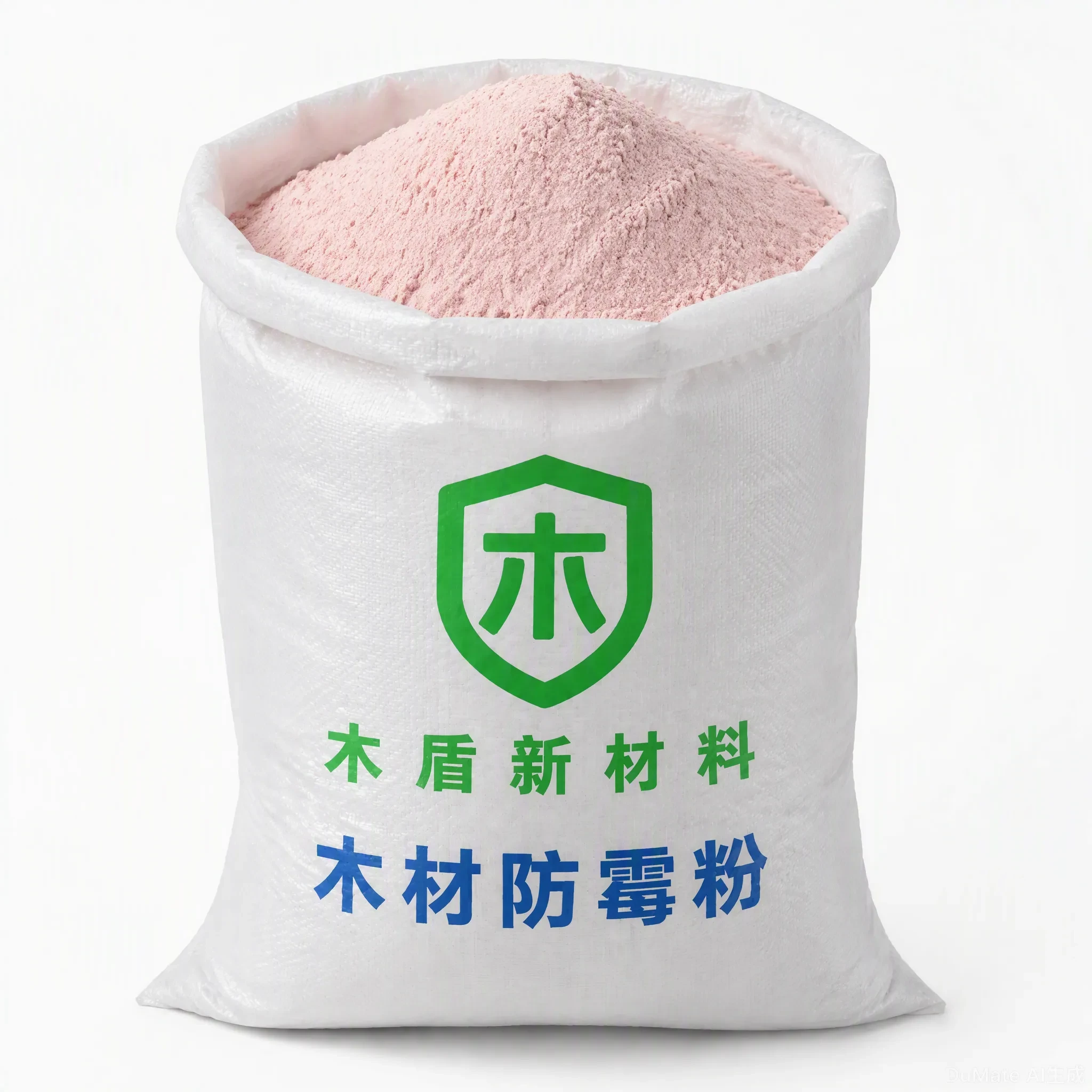
Why do oils cause mold inhibitors to lose effectiveness?
The sapwood and heartwood of *Pinus massoniana* and *Pinus tabuliformis* contain high levels of resin and volatile oils. These lipids form a hydrophobic film on the surfaces of tracheid lumens and ray cells, preventing aqueous wood preservatives from penetrating inward through the tracheids when the wood is immersed.
Conventional fungicides penetrate wood through tracheids and pit channels. When pitch and oils block these entry points, the treatment solution remains only within the surface layer 1-2 mm deep. Since mold hyphae can survive at depths of 5-6 mm, surface treatment alone is ineffective. No matter how long the soaking time or how high the concentration, the chemicals cannot penetrate this oil barrier. The result: the wood surface appears wet, but the interior remains dry and untreated.
This is why many pallet manufacturers report that "pallets remain moldy despite prolonged treatment"—the issue isn't that the fungicide is ineffective, but that it never reaches the areas where mold can actually grow.
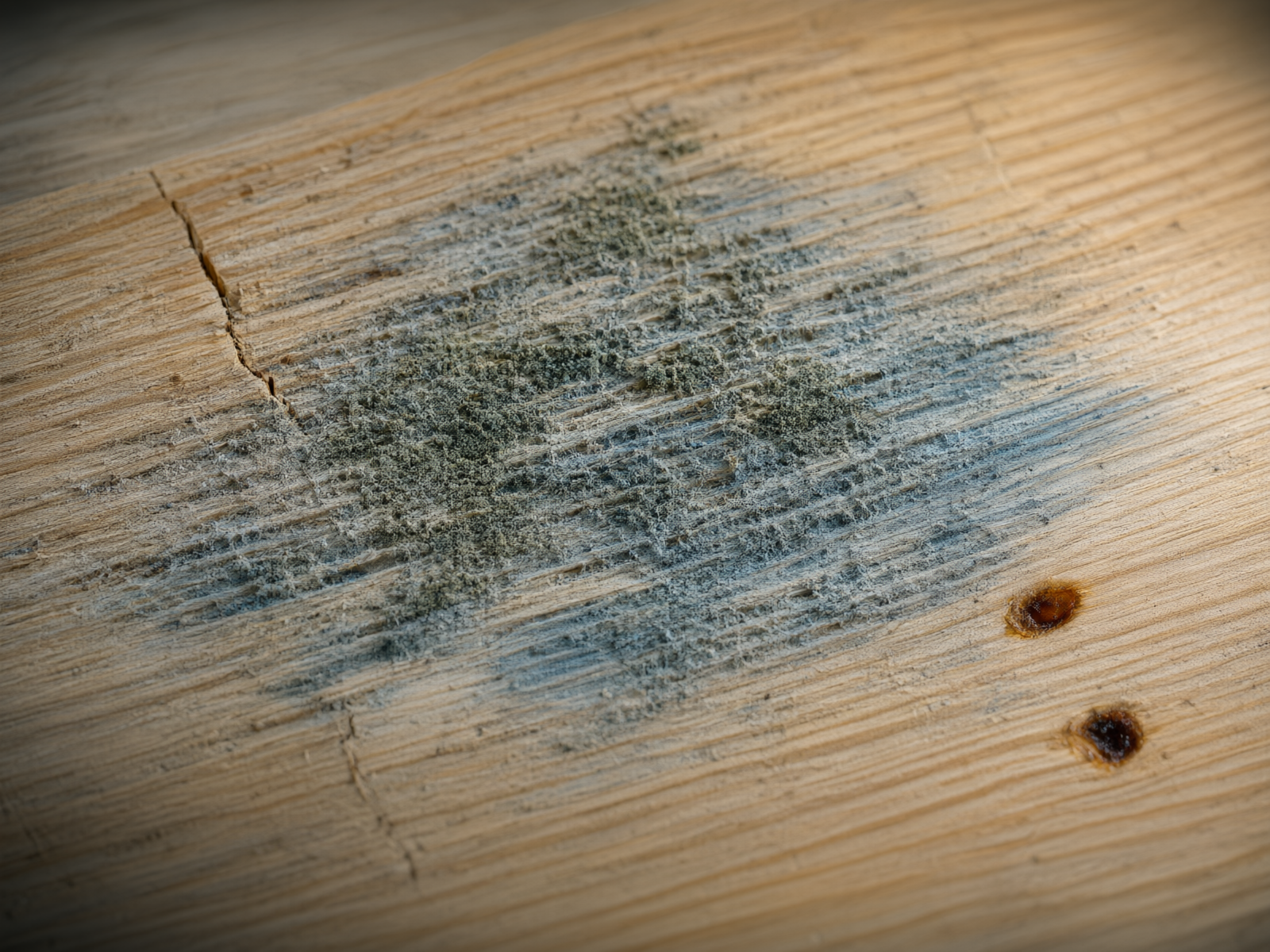
Technological approaches to break through the oil barrier
The approach to solving penetration issues is straightforward: first, remove or bypass the oil layer on the wood surface so that the fungicide can access the entrance of the tracheids.
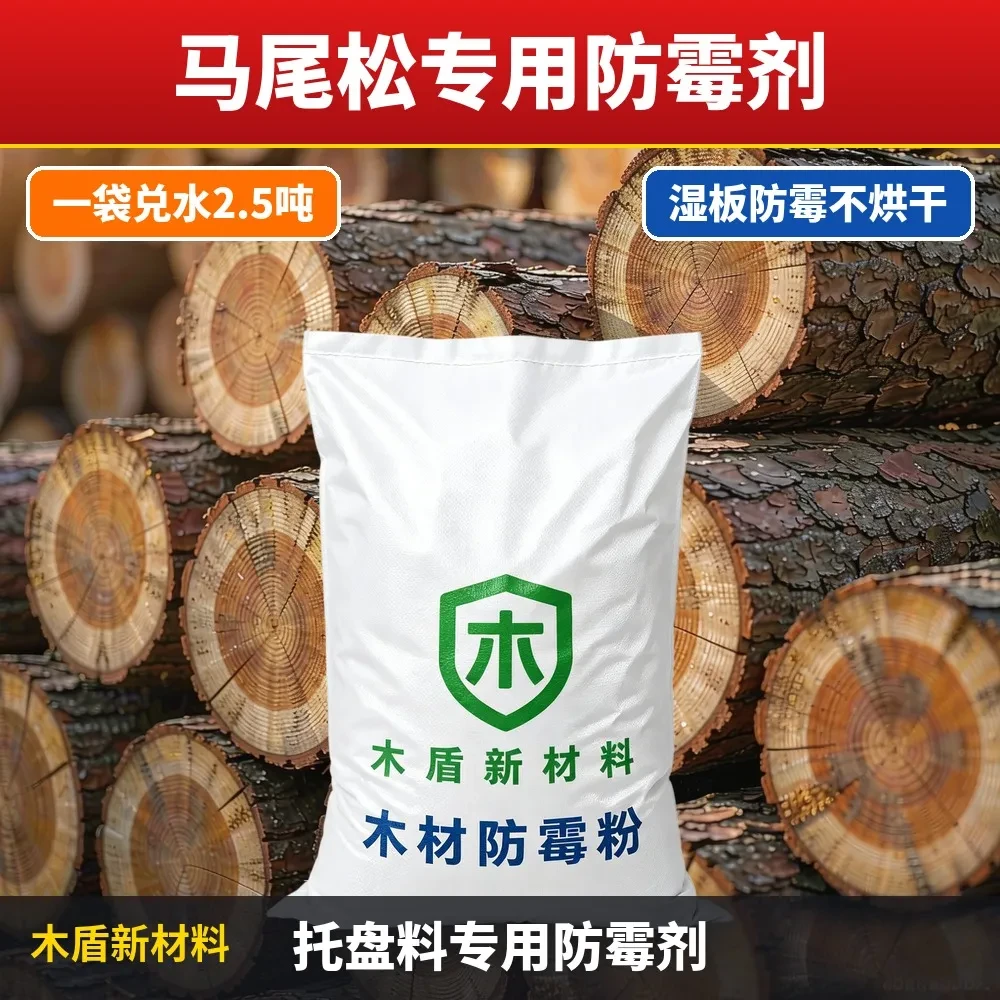
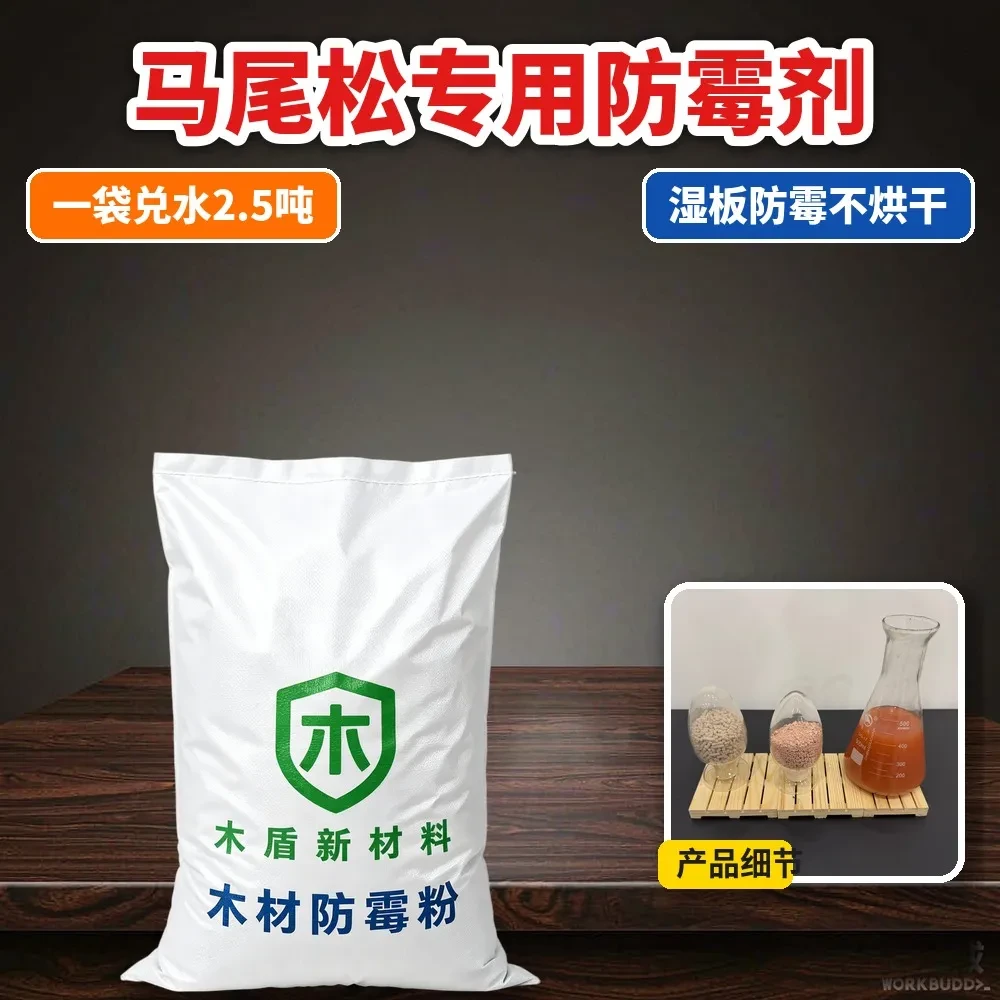
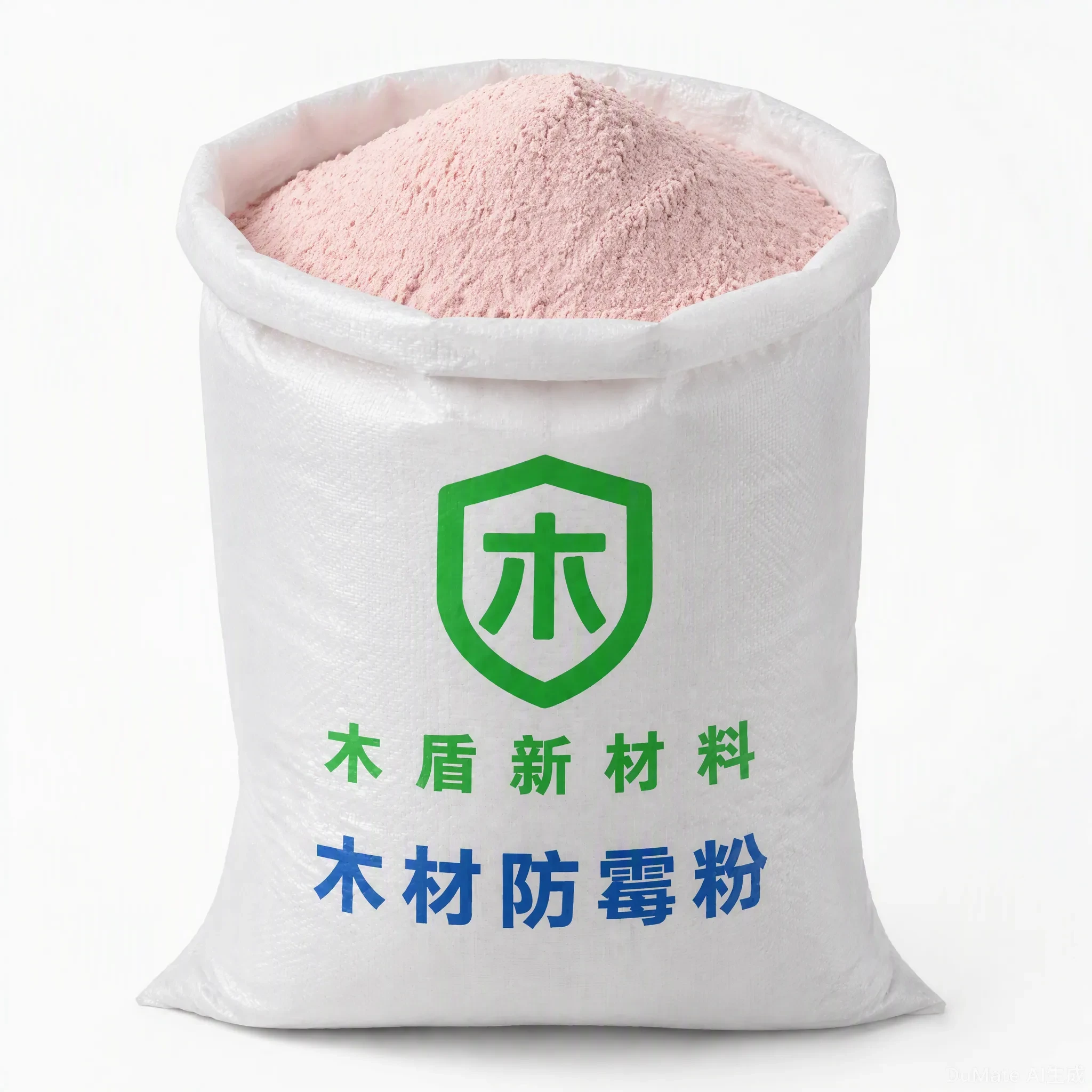
A specialized anti-mildew agent for pine wood, developed specifically for slash pine and Chinese pine, incorporates emulsion-breaking penetration components. These components interact with the resin and oils on the wood surface, weakening the hydrophobic barrier to enable rapid deep penetration of active anti-mildew ingredients into the tracheid cavities. The treatment achieves a penetration depth of 8-15 mm, effectively covering the survival range of mold mycelium.
The difference between this specialized formula and general-purpose mold inhibitors lies in the penetration mechanism: general products rely on surface tension and capillary action, which halt upon encountering an oil barrier. In contrast, our specialized formula first neutralizes the oil barrier before penetrating—like opening the door before entering with the active ingredient.
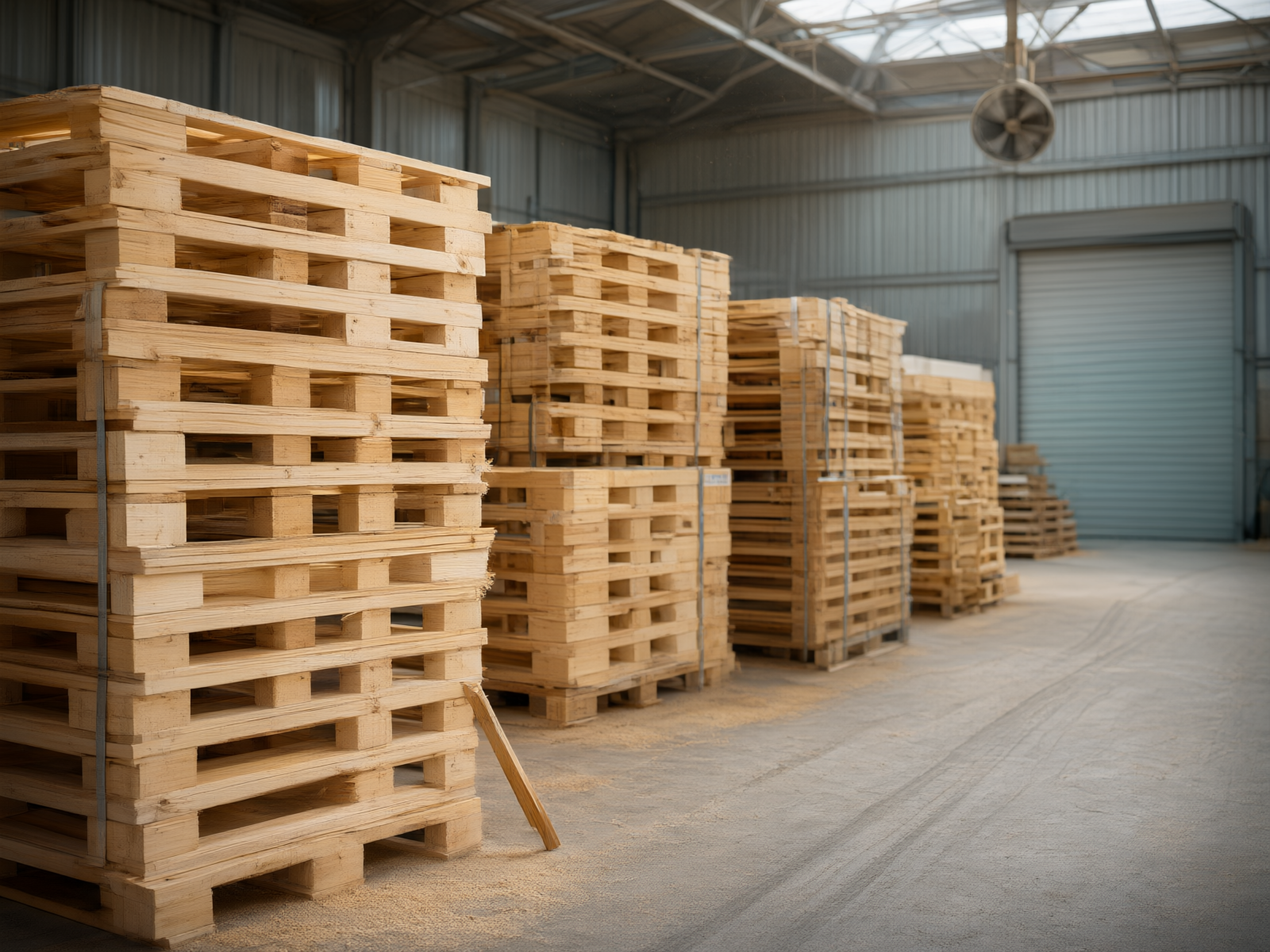
Mold-resistant right after use; no need to air-dry or tumble dry.
In traditional anti-mold treatments, wood must be soaked and then air-dried or kiln-dried to fix the chemicals inside. This step is time-consuming and highly weather-dependent, often halting natural drying during rainy seasons and winter, which directly slows down production line turnover.
The anti-mildew agent for pine wood (Pinus massoniana and Pinus sylvestris) simplifies the process: after timber soaking, no drying or curing is required. The logs can be stacked immediately upon removal to achieve effective mildew prevention. During soaking, the agent penetrates deep into the wood and adheres to the tracheid walls, establishing protection without relying on surface drying.
The practical benefit of this process for pallet manufacturers is reducing the production line turnaround time from 2-3 days to same-day processing and dispatch. This eliminates the need for large drying areas and lowers labor and energy costs associated with the drying step.
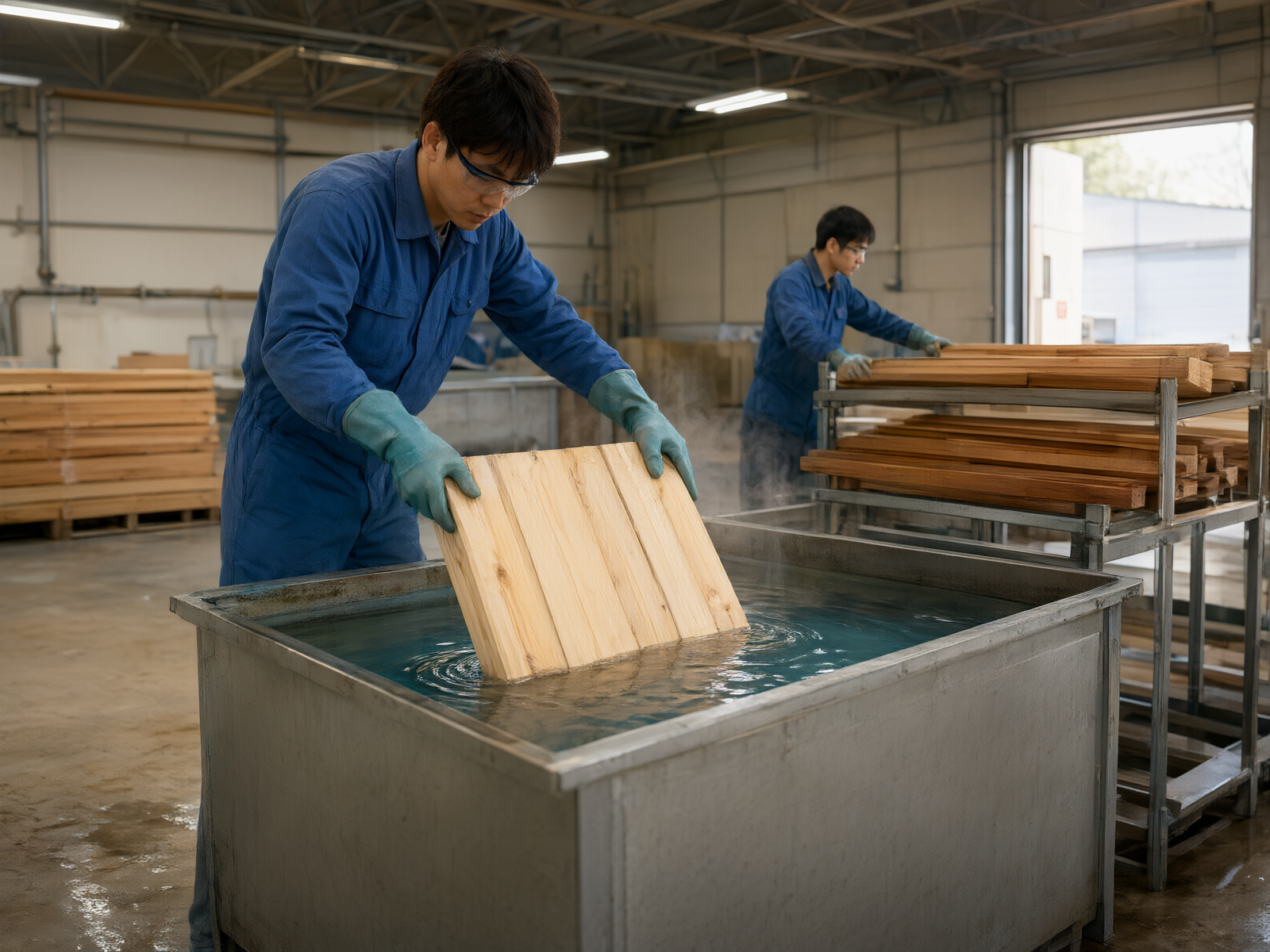
Application Scenarios and Process Recommendations
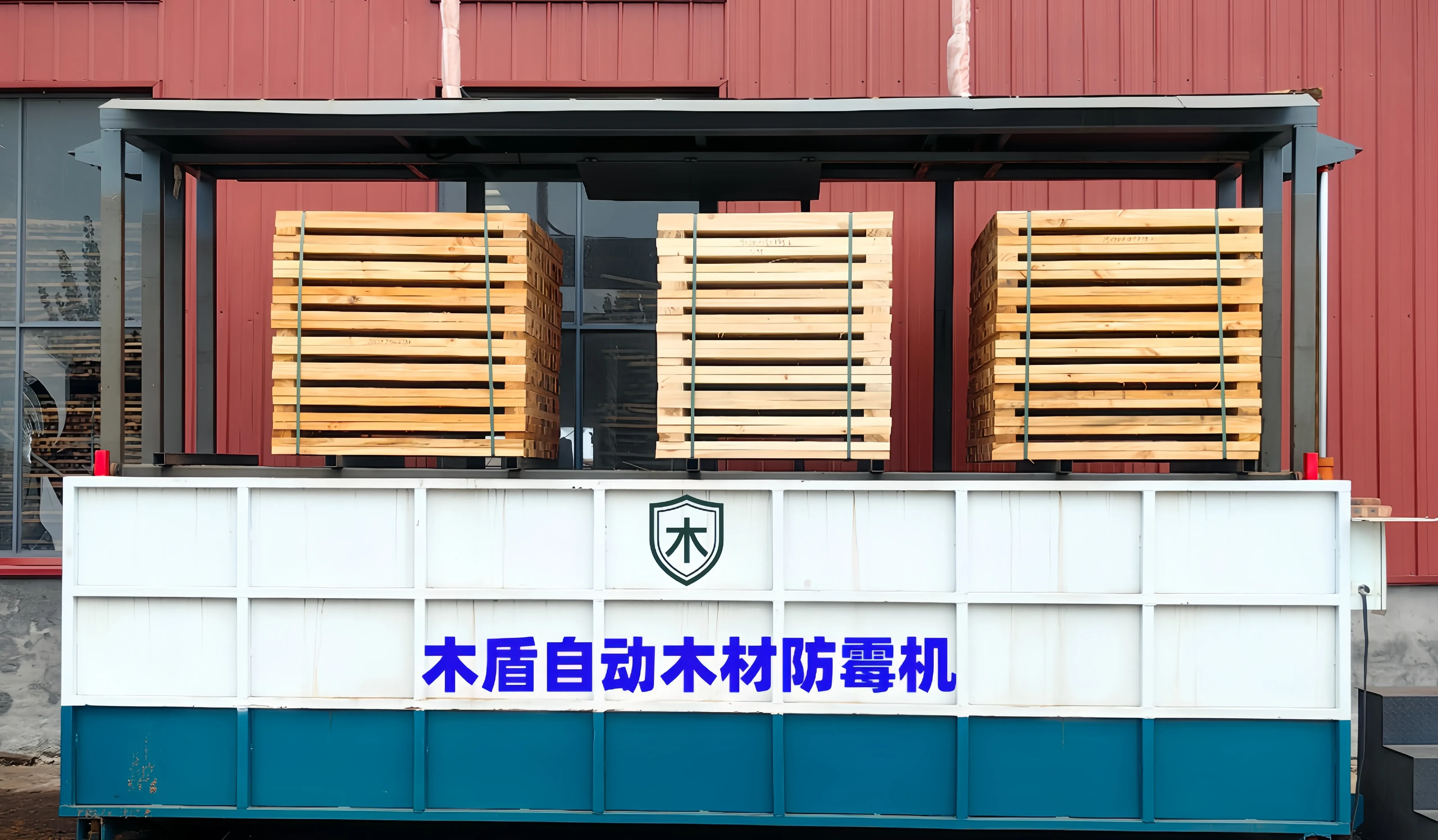
The Wood Shield Pine Oil Anti-mold Agent is specifically formulated for pine and larch wood. Designed for immersion processes, it delivers stable results when used with fully automatic anti-mold machinery. Dilute the treatment solution according to recommended ratios, immerse pallet components for the specified duration, then remove and stack immediately—no additional drying required.
For pallets exported to the EU or Southeast Asia, products include MSDS and PPWR compliance documentation, meeting import country limits on chemical substances in wood packaging.
If mold is already present on the pallet before inbound, first remove existing mold using a wood mold remover, then soak it with a dedicated anti-mold agent. This prevents direct contact between the chemical and live mold, ensuring better penetration efficiency.
Conclusion
The mold resistance challenge for pine and slash pine trays stems from oil barriers that block penetration. Understanding this material property is key to selecting the right chemicals and processes. MuDun's specialized preservatives, developed specifically for these woods, break through the oil layer to achieve deep penetration while simplifying post-soak drying. For a process assessment tailored to your production line, contact our technical team for a customized solution.
Read More
Learn more about wood mold prevention, anti-corrosion, and blue stain removal.
Basics of Wood Mold Prevention
Wood mold is caused by the proliferation of mold spores under favorable conditions. Mold growth requires three essential elements: nutrients, moisture, and suitable temperatures. Wood contains abundant cellulose, hemicellulose, and lignin, which serve as natural nutrient sources for mold. When wood moisture content exceeds 20%, mold spores germinate on the wood surface, forming visible mold spots.
Different tree species have varying mold risks. According toChinese Academy of ForestryResearch shows that poplar, with its low density and large pores, absorbs water quickly but dries out rapidly. Pine species (such as Masson pine and Chinese white pine) contain high levels of resin; the oily layer hinders moisture evaporation, causing internal areas to remain highly humid for extended periods and significantly increasing the risk of mold. Select an appropriateWood Mold InhibitorConsider wood species, moisture content, and application scenario.
Wood Mold Inhibitor Selection Guide
When selecting a wood mildewcide, evaluate it across three key dimensions. Mildew efficacy testing can follow:GB/T 18261-2013 "Test Method for Evaluating the Efficacy of Fungicides Against Wood Mold and Discoloration Fungi"method. When selecting a product, penetration is the primary factor; the fungicide must penetrate deep into the wood to establish lasting protection. Water-based fungicides offer strong penetration and are ideal for immersion treatment. Powdered types require thorough dissolution before use, while emulsion types are best suited for surface spraying.
Next is environmental compliance. Exported products must meet the environmental regulations of the destination country, such as the EU's PPWR and import standards in Southeast Asian countries. Finally, consider the protection cycle. Different usage scenarios require different levels of durability; indoor wood storage and outdoor wooden pallets need entirely different protection ratings. MuDun anti-mildew agent provides a complete MSDS and test reports to support...Southeast Asia Foreign Trade Exports。
Wood Mold Prevention Construction Methods
In actual production, wood anti-mold agents are primarily applied using the immersion method. After diluting the agent with water according to the specified ratio, fully immerse the wood in the solution for 3-5 minutes to ensure thorough penetration into the wood interior. Once removed, drain excess solution. The wet wood can proceed directly to subsequent processing steps without waiting to dry.
For large timber or assembled wooden pallets and boards, surface treatment can be applied via spraying or brushing. Wear protective gloves and a mask during application, and ensure the work area is well-ventilated. Water absorption rates and oil content vary by wood species (e.g., poplar, pine, slash pine, larch, mixed hardwood), so adjust the chemical concentration and soaking time accordingly. Learn moreTechnical Solution。
Wood Export Mold Prevention Requirements
Wood products for export typically require mold prevention treatment and supporting technical documentation. Common compliance documents include MSDS (Material Safety Data Sheet), test reports, and declarations of conformity. Mold prevention requirements vary by country and region; the Southeast Asian market primarily focuses on PPWR regulation compliance. Learn moreExport Service Details。
Mildewproofing effect reference for wood mold inhibitorGB/T 18261The testing methods described herein provide comprehensive export compliance documentation, meeting environmental regulations of major Southeast Asian wood-importing countries such as Malaysia, Vietnam, Thailand, and Indonesia. Exporters may refer toState Forestry and Grassland AdministrationPublish the wood export guide, prepare relevant documents in advance, and ensure smooth customs inspection.