Mold Prevention for Pine and Larch Pallets: Why High-Oil Wood Requires Specialized Mold Inhibitors
Due to their high oil content, regular anti-mold treatments often fail to achieve desired results for Chinese pine and Mongolian pine. This paper analyzes the challenges of preventing mold in high-oil woods and outlines the technical approaches and process adaptations for specialized wood anti-mold agents.
In pallet manufacturing, slash pine and Chinese pine have long been the primary species due to their abundant supply and stable mechanical properties. However, both share a common processing challenge: high oil content makes conventional preservative and anti-mold treatments difficult to achieve desired results. Many pallet manufacturers report that even when using anti-mold agents, mold spots still appear on finished products during warehousing and circulation. The root cause often lies not in the chemicals themselves, but in the mismatch between the treatment and the wood's characteristics.
Challenges in Mold Prevention for High-Oil Wood
Pine and Chinese pine are softwood species in the Pinaceae family. Their wood contains high levels of resin and volatile oils. While these compounds provide natural insect and antimicrobial resistance during tree growth, they form a physical barrier that hinders the penetration of preservatives during processing.
When wood is soaked in standard aqueous fungicides, the surface oil layer forms a hydrophobic barrier that blocks the active ingredients from penetrating deep into the wood. As a result, the fungicide remains on the surface and fails to establish an effective protective concentration within the wood matrix. Once the surface layer is washed away by rain or removed during subsequent machining, the internal wood fibers are directly exposed to mold spores. This explains why the same fungicide performs well on poplar and cedar but frequently fails on Chinese pine.
Limitations of General-Purpose Wood Mould Inhibitors
Most wood anti-mold agents on the market use "broad-spectrum" formulas designed for low-to-medium oil-density timber. Their active ingredients and carrier systems are not specifically optimized for the hydrophobic nature of pine resin. For high-oil-content species like Masson pine and Chinese pine, generic products face two structural issues:
First, penetration depth is insufficient. The agent forms droplets on the oil layer surface rather than spreading evenly, resulting in an actual penetration thickness of only 1-2 mm—far below the comprehensive protection required for pallet materials. Second, active ingredient distribution is uneven. Significant differences in agent adsorption between high-oil and low-oil areas lead to inconsistent mold prevention performance within the same batch of pallets.
The combination of these two issues results in pallets passing factory inspections but experiencing significantly accelerated mold growth during southern rainy seasons or high-humidity ocean freight conditions.
Dedicated technical pathway for Pinus massoniana and Pinus tabuliformis
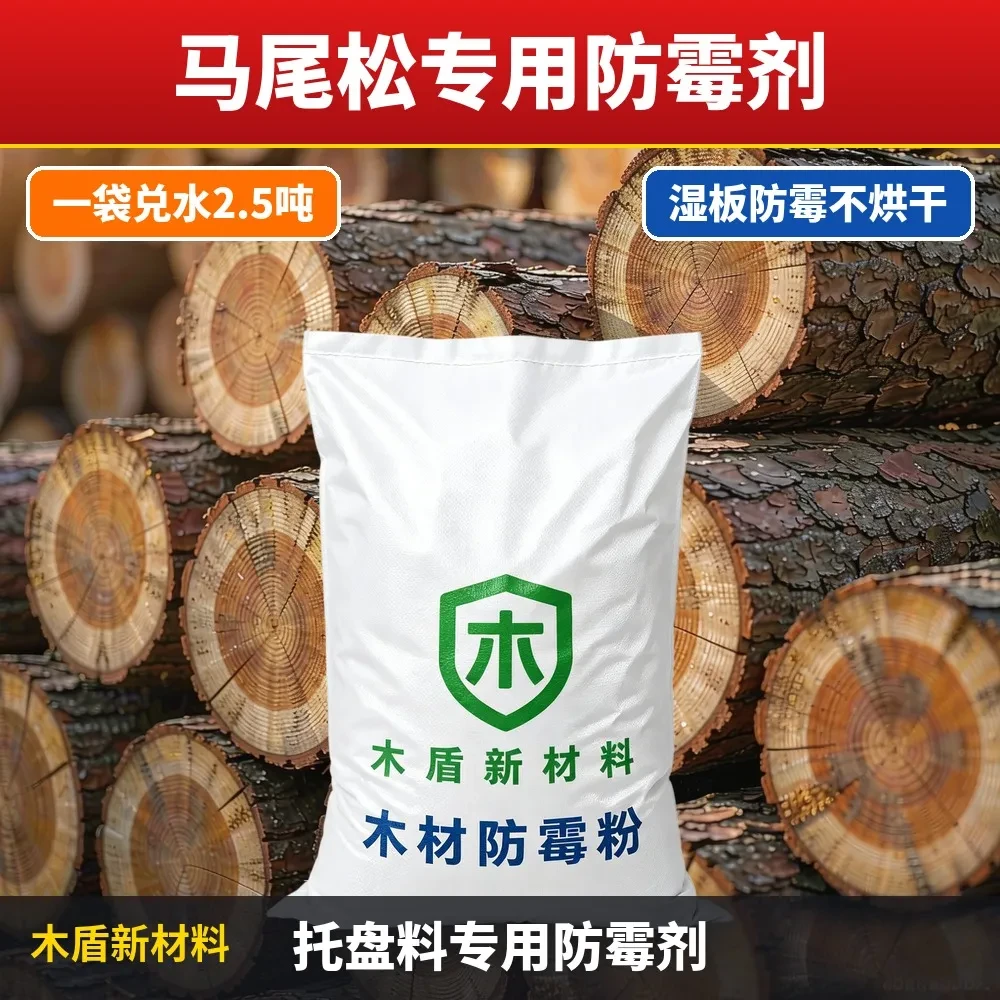
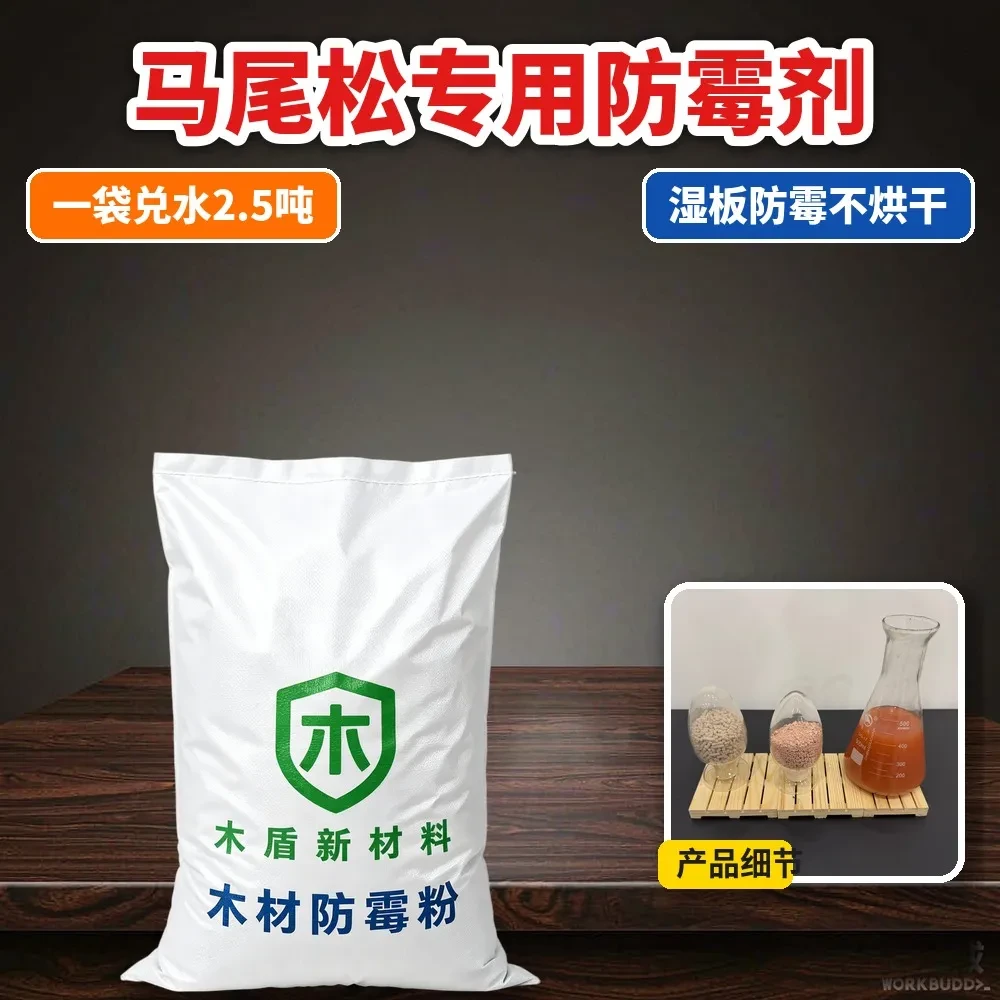
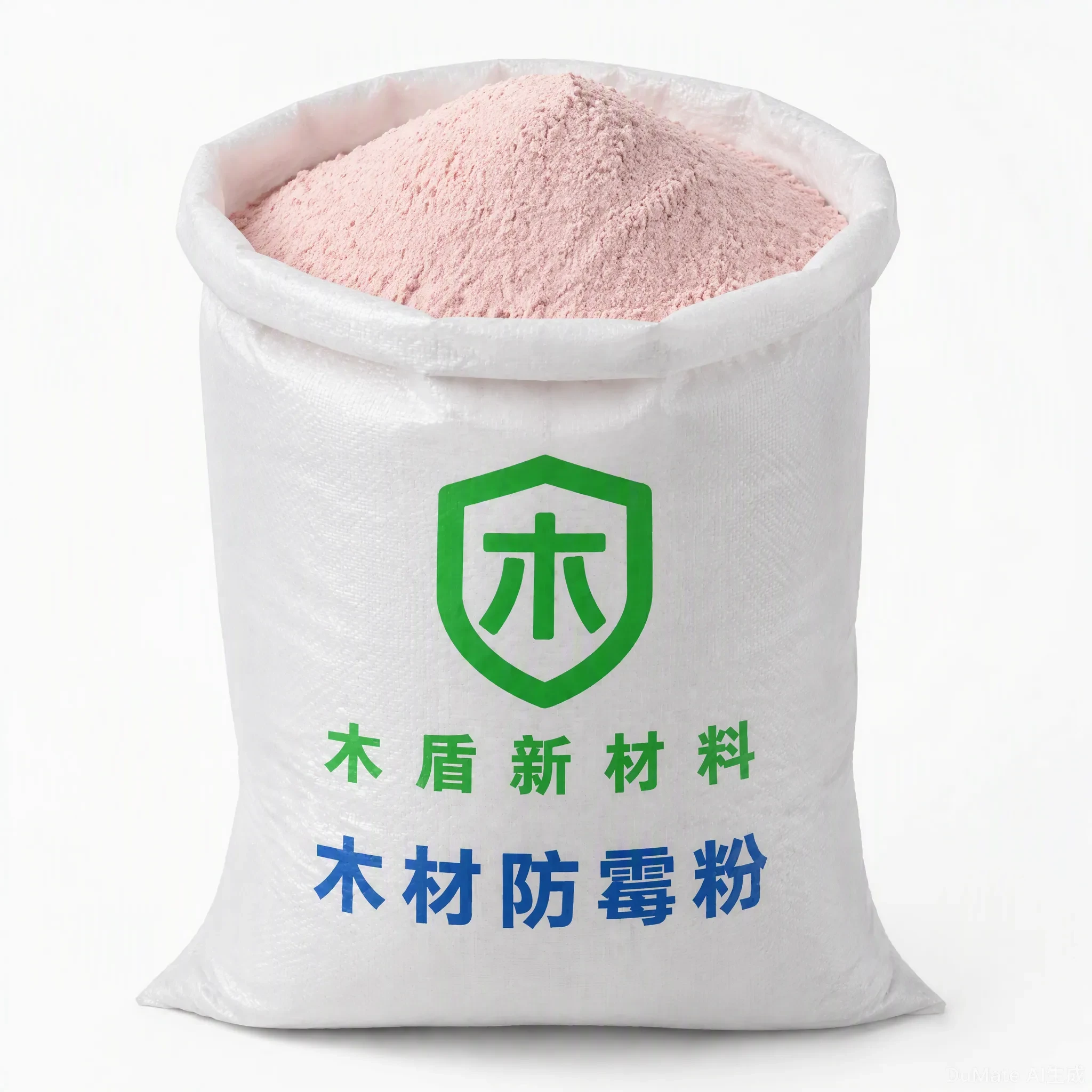
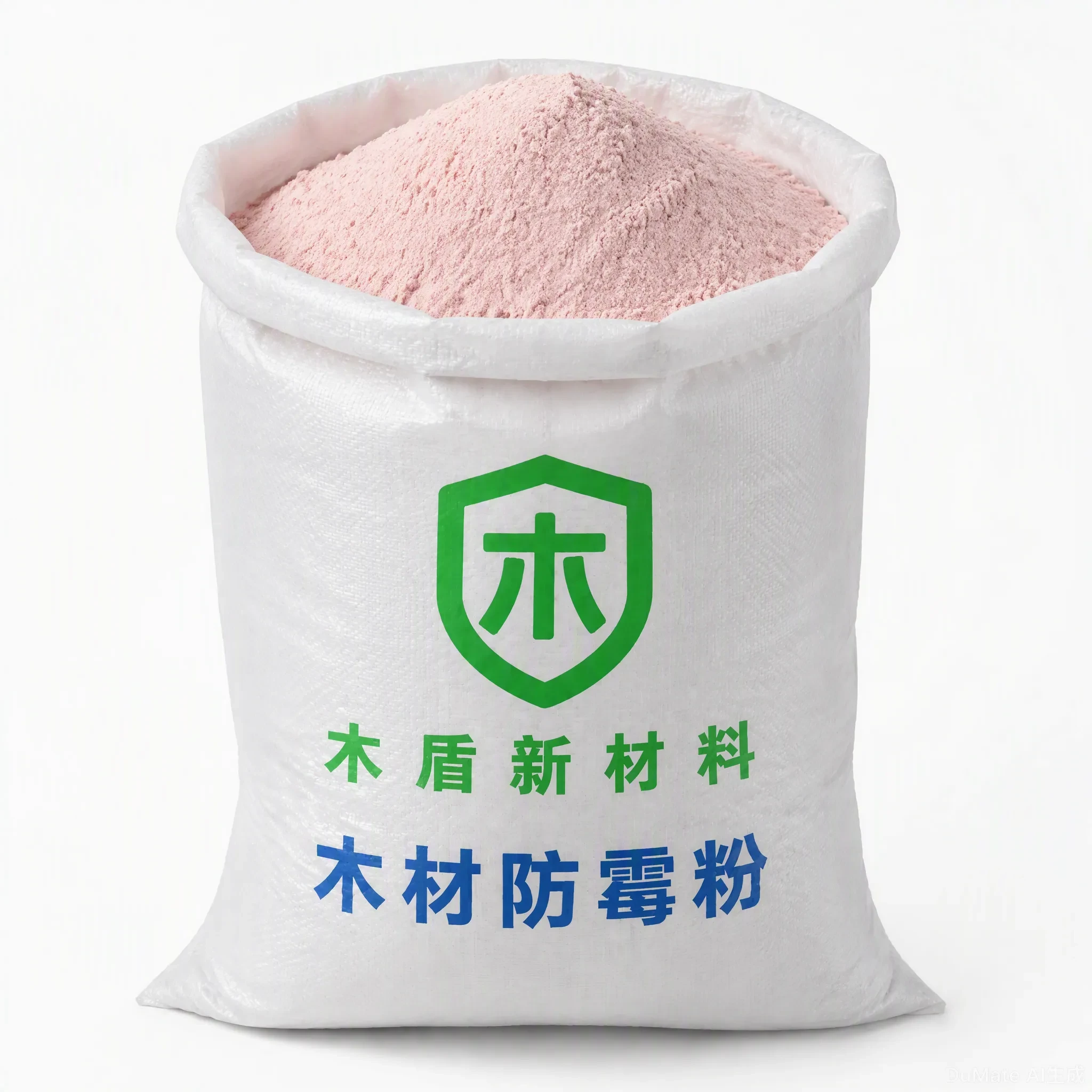
Addressing these pain points, Mudun developed a dedicated wood preservative for pine and oil pine pallets. The key formulation adjustment is the addition of a degreasing penetrant.
The defatting penetrant reduces interfacial tension between the fungicide solution and wood surface oils, enabling the treatment to penetrate the resin layer and diffuse into the wood's vascular system. During soaking, the solution bypasses the oil barrier to contact wood fibers directly, allowing active ingredients to deposit uniformly throughout the wood interior.
The key to this technical approach is "break first, then penetrate": first disrupt the hydrophobic barrier of the oil layer, then allow the anti-mold active ingredients to deeply penetrate. Together, they address the structural limitation of generic products failing to adequately penetrate high-oil wood.
Drying-free hanging process compatibility
In traditional mold prevention processes, wood must be dried or air-dried to reach the target moisture content before proceeding to the next step. This stage requires specific facilities, time, and energy. For pallet manufacturers with high production capacity, the space needed for drying and the associated energy costs are significant burdens.
This Pine-Specific Mold Inhibitor from Mudun effectively treats wet wood without requiring drying or air-drying. After soaking, the wood can proceed directly to further processing while still wet. This compatibility stems from a formula designed for high-moisture environments: the treatment penetrates and fixes within the wood even when it is wet, preventing dilution or loss due to high water content.
For pallet manufacturers, this eliminates the need for drying space and equipment investments, enabling tighter production cycles—ideal for scenarios with tight order deadlines and high turnover.
Measured data of the protection cycle
The effectiveness of mold prevention ultimately depends on the protection duration. According to actual test data provided by Mudun preservatives, treating pine wood with this specialized pine wood preservative:
Wet wood (unseasoned) provides mold protection for 3 to 6 months, covering the entire lifecycle from immersion treatment and pallet manufacturing to end-user deployment. Once customized into pallets, this protection extends to 12 months under standard storage and handling conditions, meeting the time requirements for most pallet leasing and export logistics operations.
This data is supported by the deep penetration provided by the defatted penetrant: the agent no longer remains on the wood surface but forms a sustained mold-prevention barrier within the wood. Even if the surface is slightly worn during turnover, the active ingredients deposited inside continue to function effectively.
Criteria for Selecting a Dedicated Solution
For pallet manufacturers, switching to a dedicated wood anti-mold agent depends on three factors: whether the primary species used are high-oil woods like Masson pine or Chinese black pine; whether existing anti-mold solutions frequently fail with mold complaints during rainy seasons or high-humidity conditions; and whether eliminating drying and airing steps to shorten production cycles is a priority.
Meeting two or more of these criteria typically yields a better ROI for specialized solutions than continuing to tune general-purpose products. The core of wood anti-mold treatment lies in matching the chemical agent with the wood's characteristics: higher compatibility ensures more stable protection and lower long-term maintenance costs.
The anti-mildew technology for Pinus massoniana and Pinus tabuliformis is built on a precise matching logic. From the formulation of de-greasing penetrants to the adaptation of no-drying curing processes, every step targets the specific challenge of preventing mildew in high-oil-content wood. For users, the core value of choosing a dedicated solution lies in eliminating repeated trial-and-error caused by the "mismatch" of generic products.
Read More
Learn more about wood mold prevention, anti-corrosion, and blue stain removal.
Basics of Wood Mold Prevention
Wood mold is caused by the proliferation of mold spores under favorable conditions. Mold growth requires three essential elements: nutrients, moisture, and suitable temperatures. Wood contains abundant cellulose, hemicellulose, and lignin, which serve as natural nutrient sources for mold. When wood moisture content exceeds 20%, mold spores germinate on the wood surface, forming visible mold spots.
Different tree species have varying mold risks. According toChinese Academy of ForestryResearch shows that poplar, with its low density and large pores, absorbs water quickly but dries out rapidly. Pine species (such as Masson pine and Chinese white pine) contain high levels of resin; the oily layer hinders moisture evaporation, causing internal areas to remain highly humid for extended periods and significantly increasing the risk of mold. Select an appropriateWood Mold InhibitorConsider wood species, moisture content, and application scenario.
Wood Mold Inhibitor Selection Guide
When selecting a wood mildewcide, evaluate it across three key dimensions. Mildew efficacy testing can follow:GB/T 18261-2013 "Test Method for Evaluating the Efficacy of Fungicides Against Wood Mold and Discoloration Fungi"method. When selecting a product, penetration is the primary factor; the fungicide must penetrate deep into the wood to establish lasting protection. Water-based fungicides offer strong penetration and are ideal for immersion treatment. Powdered types require thorough dissolution before use, while emulsion types are best suited for surface spraying.
Next is environmental compliance. Exported products must meet the environmental regulations of the destination country, such as the EU's PPWR and import standards in Southeast Asian countries. Finally, consider the protection cycle. Different usage scenarios require different levels of durability; indoor wood storage and outdoor wooden pallets need entirely different protection ratings. MuDun anti-mildew agent provides a complete MSDS and test reports to support...Southeast Asia Foreign Trade Exports。
Wood Mold Prevention Construction Methods
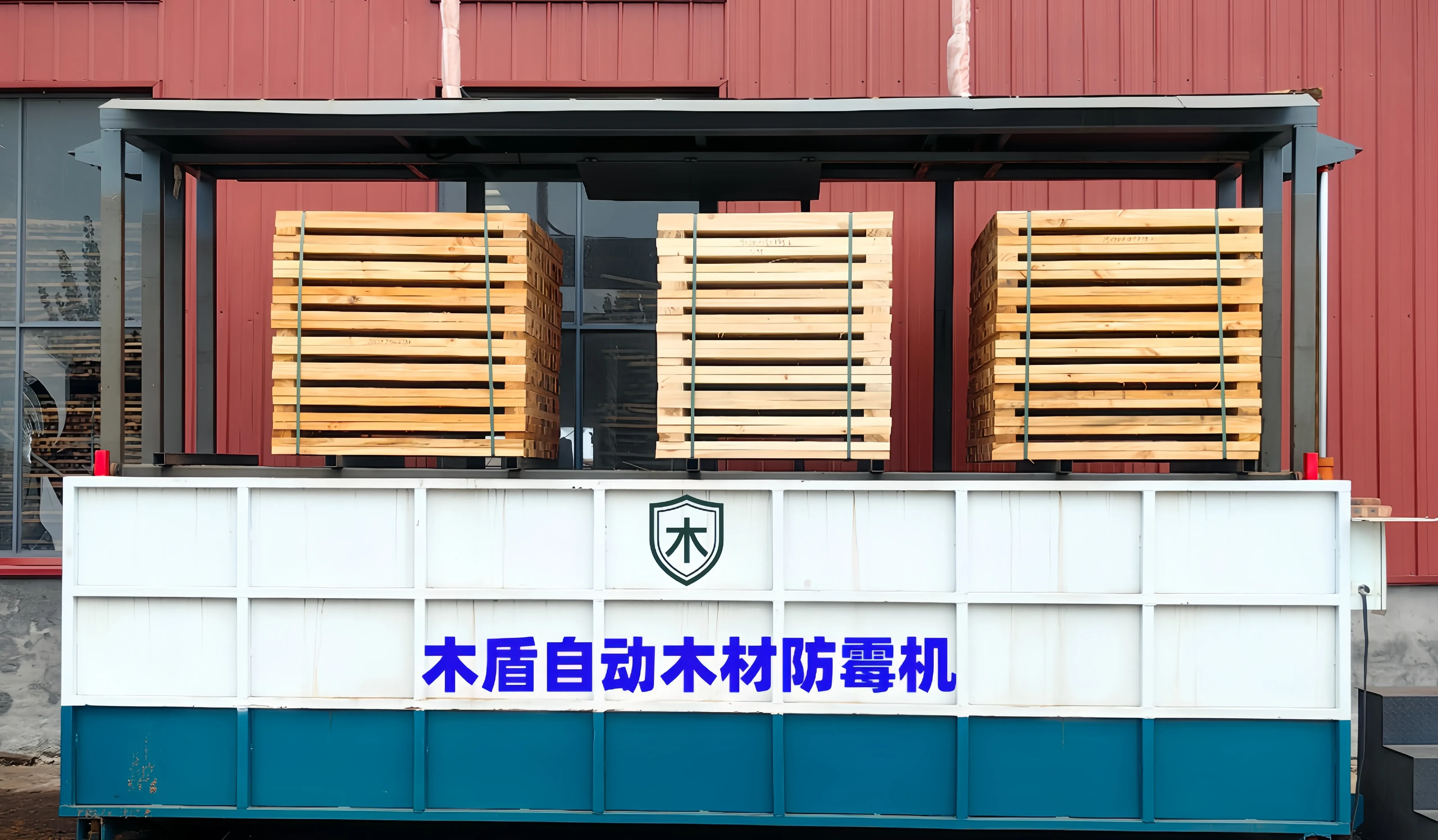
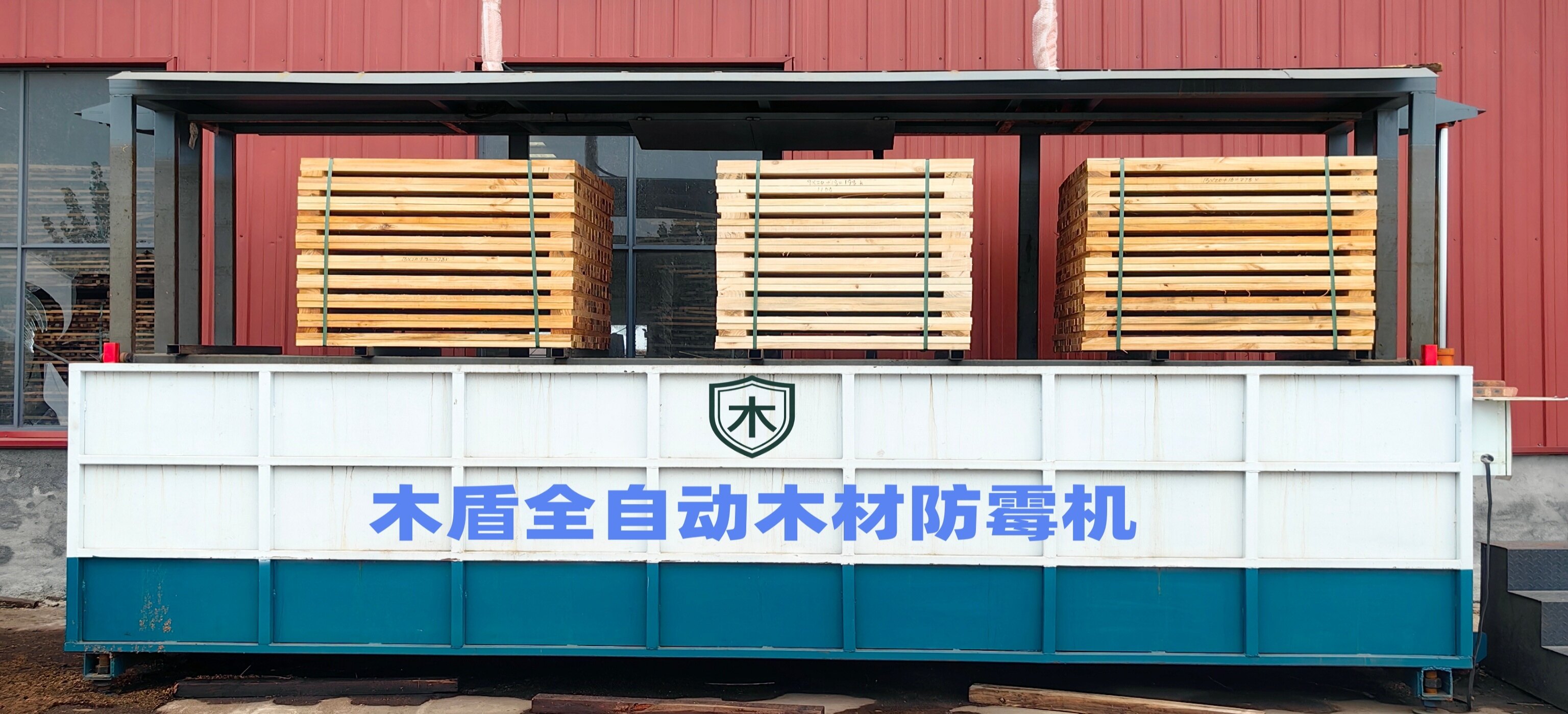
In actual production, wood anti-mold agents are primarily applied using the immersion method. After diluting the agent with water according to the specified ratio, fully immerse the wood in the solution for 3-5 minutes to ensure thorough penetration into the wood interior. Once removed, drain excess solution. The wet wood can proceed directly to subsequent processing steps without waiting to dry.
For large timber or assembled wooden pallets and boards, surface treatment can be applied via spraying or brushing. Wear protective gloves and a mask during application, and ensure the work area is well-ventilated. Water absorption rates and oil content vary by wood species (e.g., poplar, pine, slash pine, larch, mixed hardwood), so adjust the chemical concentration and soaking time accordingly. Learn moreTechnical Solution。
Wood Export Mold Prevention Requirements
Wood products for export typically require mold prevention treatment and supporting technical documentation. Common compliance documents include MSDS (Material Safety Data Sheet), test reports, and declarations of conformity. Mold prevention requirements vary by country and region; the Southeast Asian market primarily focuses on PPWR regulation compliance. Learn moreExport Service Details。
Mildewproofing effect reference for wood mold inhibitorGB/T 18261The testing methods described herein provide comprehensive export compliance documentation, meeting environmental regulations of major Southeast Asian wood-importing countries such as Malaysia, Vietnam, Thailand, and Indonesia. Exporters may refer toState Forestry and Grassland AdministrationPublish the wood export guide, prepare relevant documents in advance, and ensure smooth customs inspection.