Wood Mildew Inhibitor Selection Guide: Matching Logic for Different Materials and Scenarios
Wood mold is fundamentally caused by fungal growth under favorable temperature and humidity conditions. The key to solving this issue lies not in finding a universal product, but in selecting the right protection strategy based on wood type, processing methods, and usage environment.
Wood mold is fundamentally caused by fungal growth under favorable temperature and humidity conditions. The key to solving this issue lies not in finding a "one-size-fits-all" product, but in selecting a matching protection strategy based on wood type, processing methods, and application scenarios. This guide outlines the selection logic for anti-mold agents and their process parameters, starting from material characteristics.
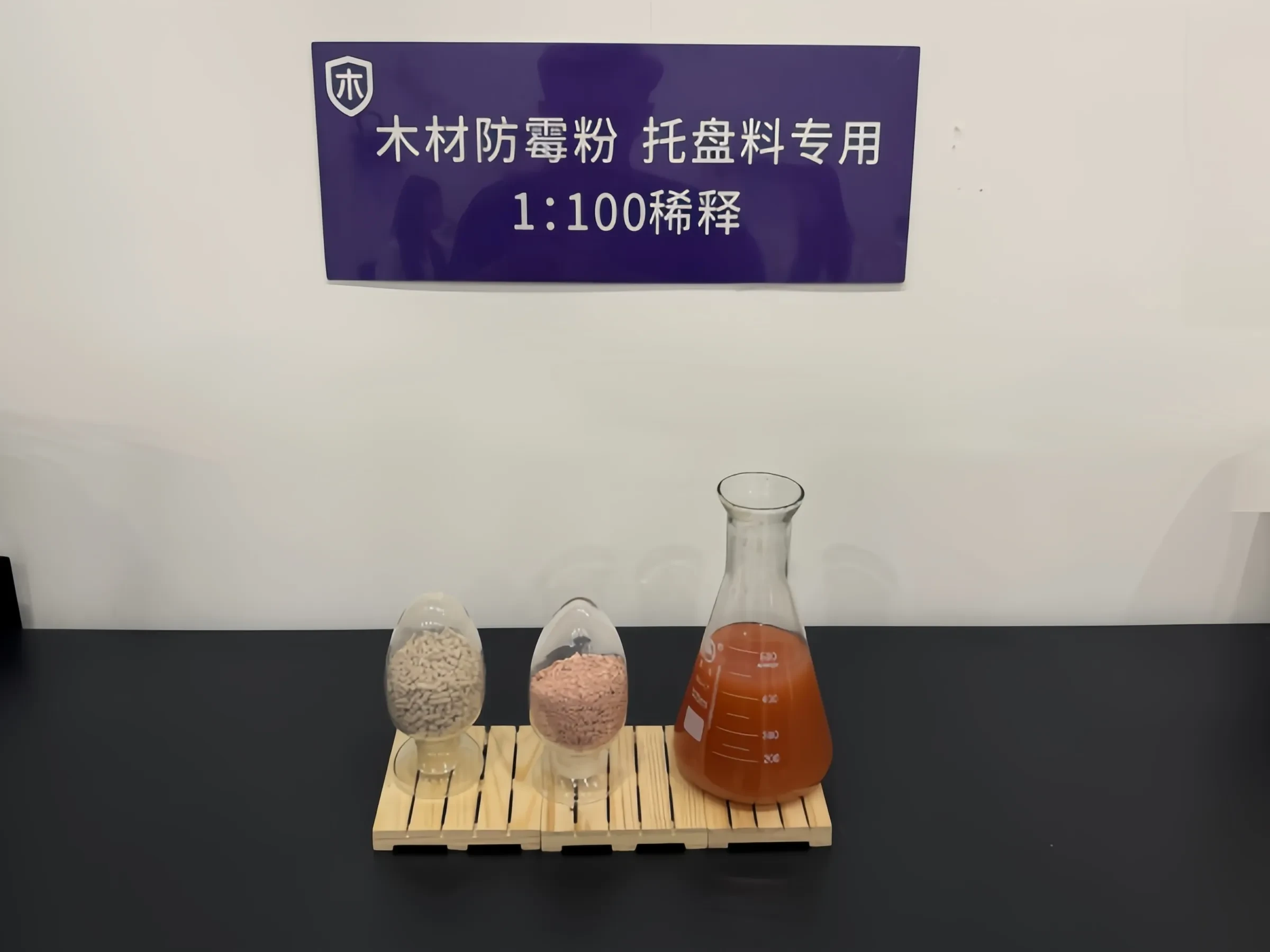
Solid wood (e.g., pine, poplar): anti-mildew powder
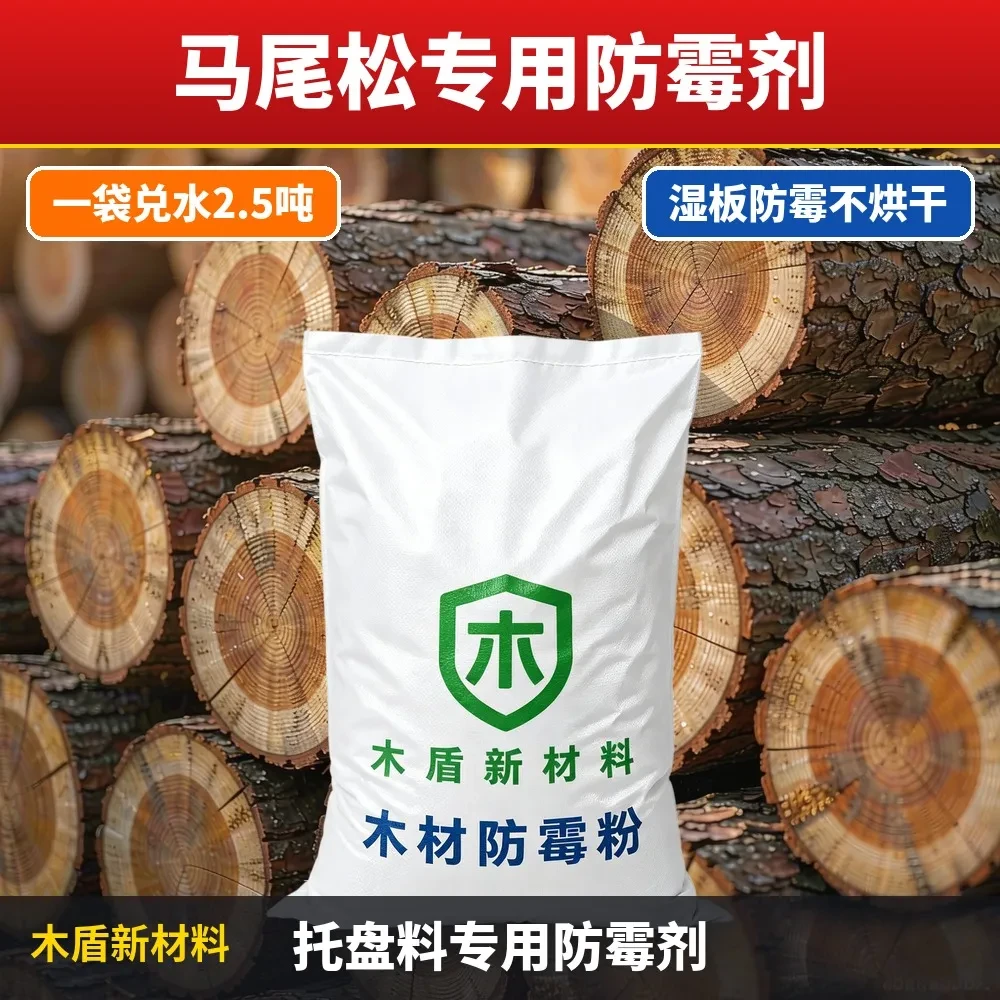
Pine (including slash and Chinese pine), poplar, and various hardwoods are the primary raw materials for wooden pallets, lumber, and packaging. These woods share an open pore structure and high water absorption, which also facilitates deep penetration of anti-mold treatments.
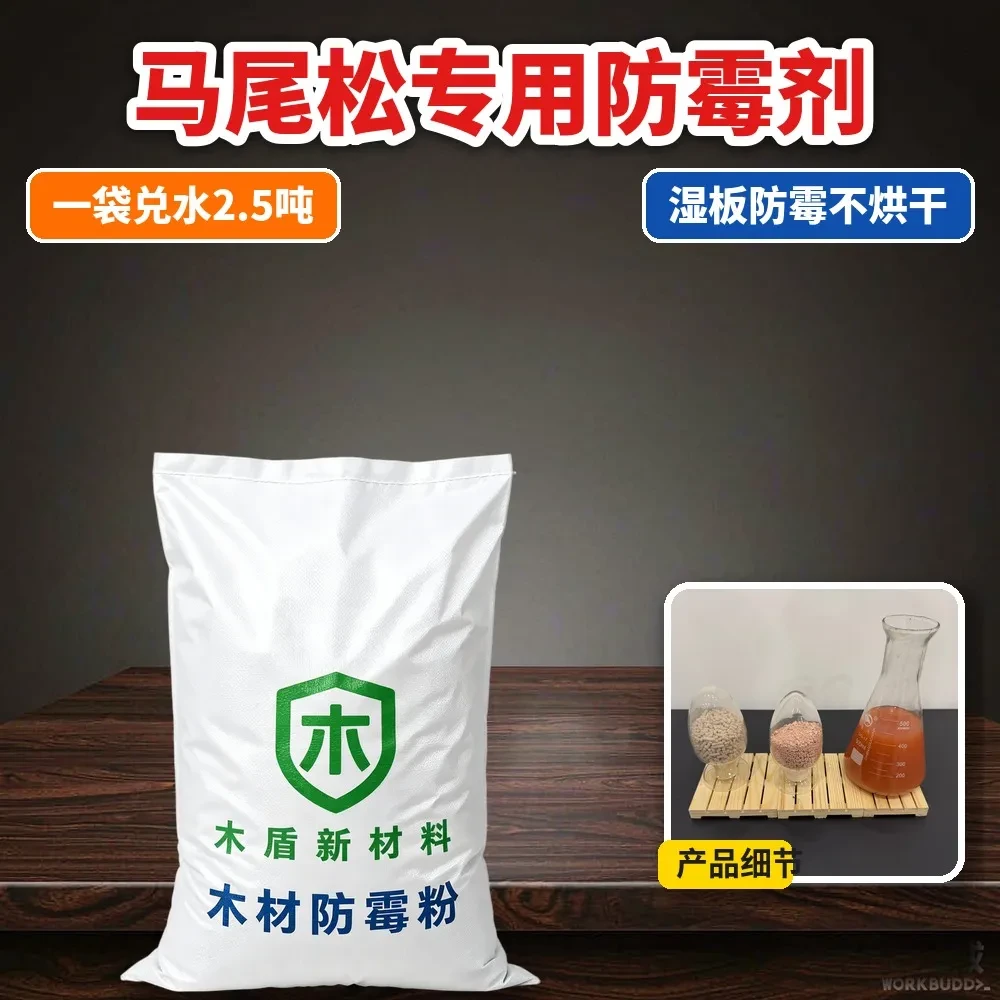
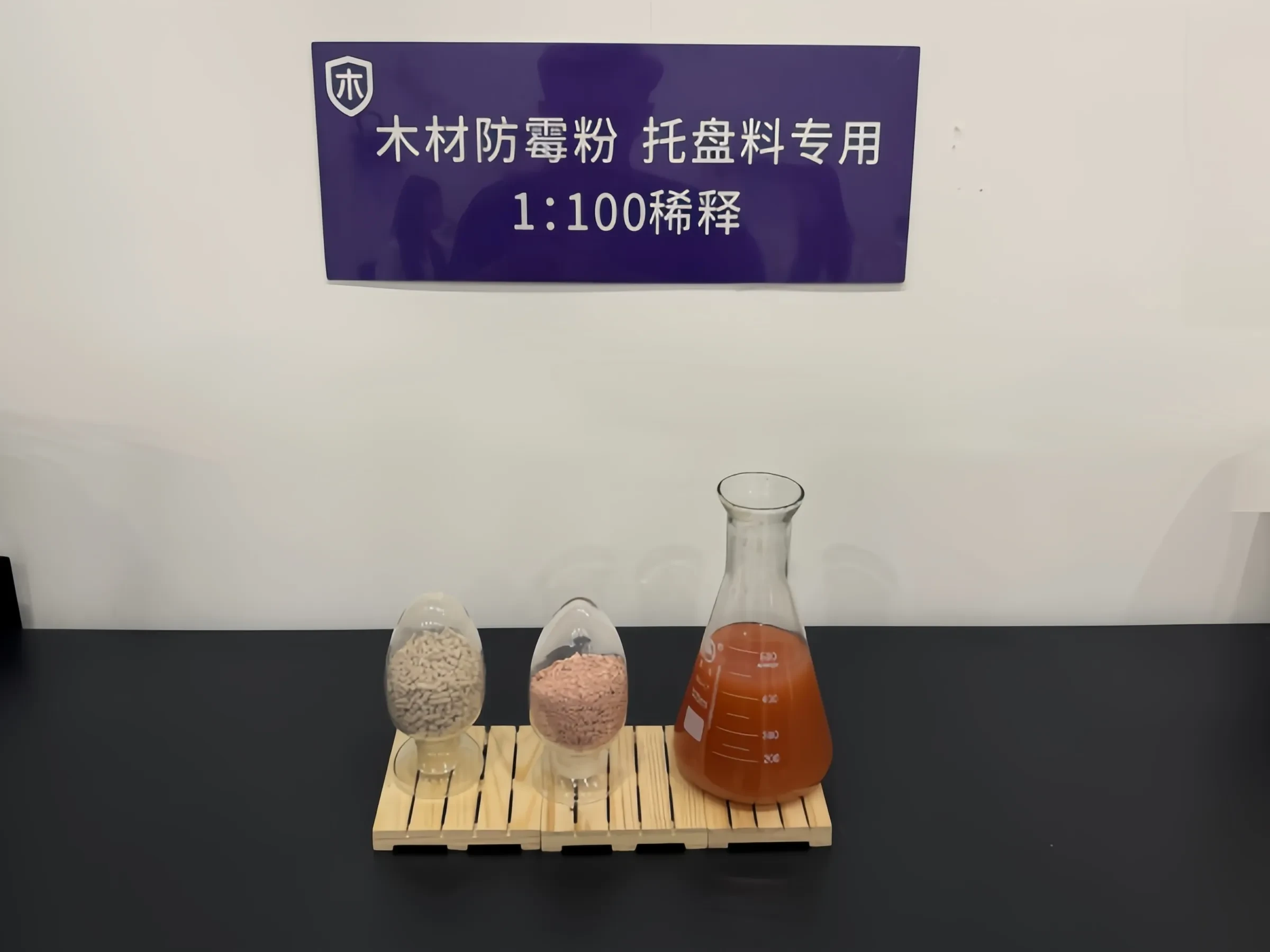
For this material type, dilute the wood anti-mildew powder at a ratio of 1:100 and soak for 15 minutes. No drying or air-drying is required after treatment; the material can proceed directly to subsequent processing or storage. Testing shows that under these conditions, the anti-mildew effect lasts approximately 3 months, covering the typical duration from production to end-use.
Selection logic:Wood-based materials are cost-sensitive and high-volume. Mold inhibitors offer high dilution ratios and low treatment costs per ton, while the no-drying process reduces energy consumption and eliminates waiting time for processing.
Furniture Material: Eco-Friendly Anti-Mold Wood Paste
Furniture material imposes an additional constraint on anti-mold agents: environmental safety. Since finished furniture is used long-term indoors, chemical residues and odor emissions must remain within safe limits.
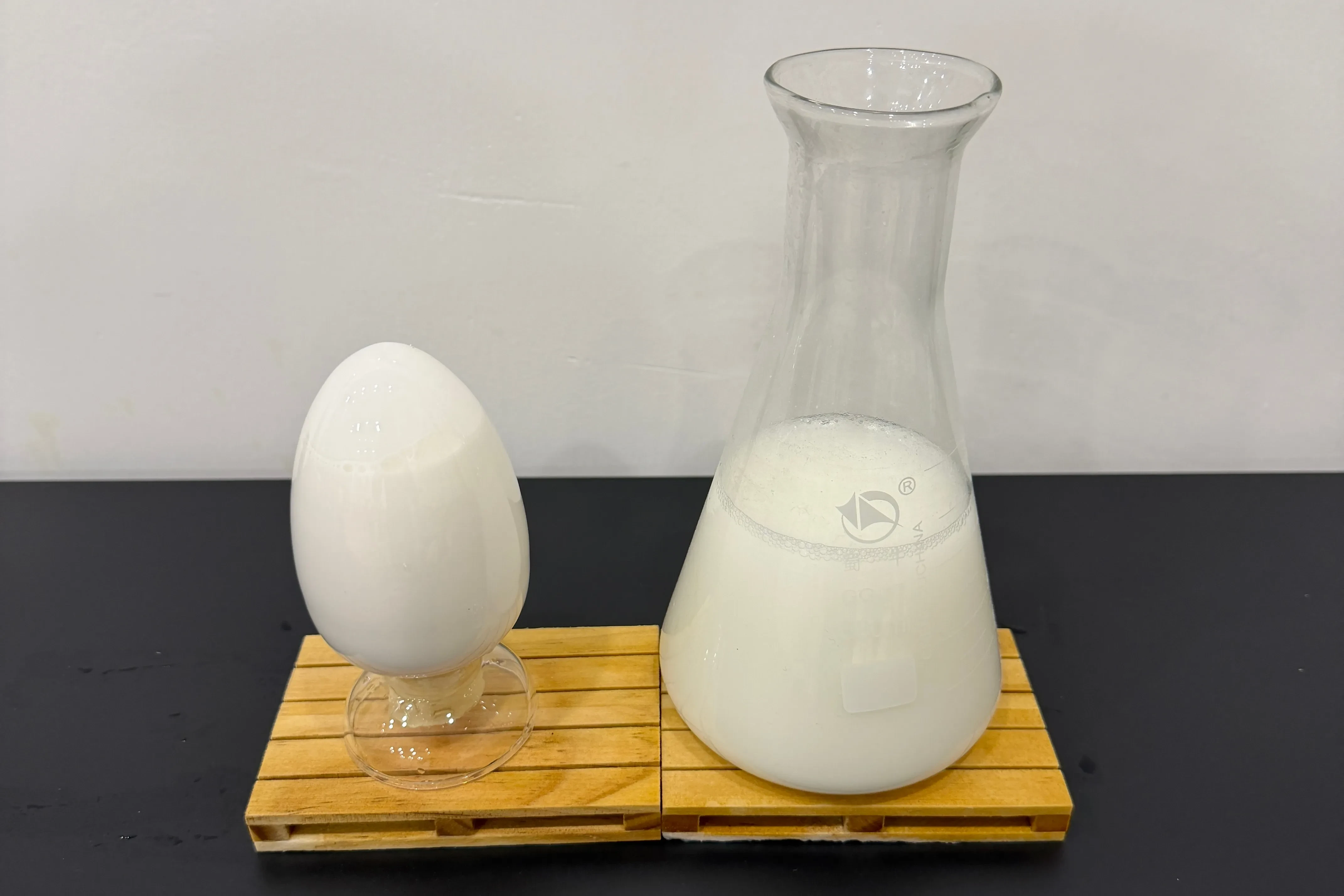
The dilution ratio for the eco-friendly wood mildew-proof emulsion is 1:80, using a no-drying process. The formula balances mildew resistance with environmental standards, making it suitable for furniture materials requiring high contact safety.
Selection logic:When selecting mold-resistant treatments for furniture, effectiveness alone isn't enough; environmental compliance is a prerequisite. Liquid formulations offer more uniform penetration than powder diluted with water, making them ideal for applications requiring high surface quality.
Plywood: Mold-inhibiting agent for plywood
Mold issues in plywood are unique—growth typically occurs between the glue line and veneer layers, which surface sprays cannot reach. The solution is to add biocides directly into the adhesive.
Add the anti-mold agent at 0.5% during the glue mixing stage. This ensures uniform distribution of the active ingredient throughout the adhesive layer, effectively blocking mold growth pathways at the structural level. Testing shows this process extends the mold-free service life of plywood by 2 to 3 times.
Selection logic:Mold resistance in plywood must be achieved during the manufacturing stage; post-production remediation is costly and ineffective. Incorporating mold inhibitors directly into the adhesive integrates this functionality into the production process without adding extra steps.
Food-contact items (e.g., cutting boards): Anti-mildew agent
Wooden products that come into direct contact with food, such as cutting boards and chopping blocks, are subject to strict food safety regulations regarding the selection of anti-mold agents. Even if standard industrial anti-mold agents meet performance standards, they are not permitted for use in these applications.
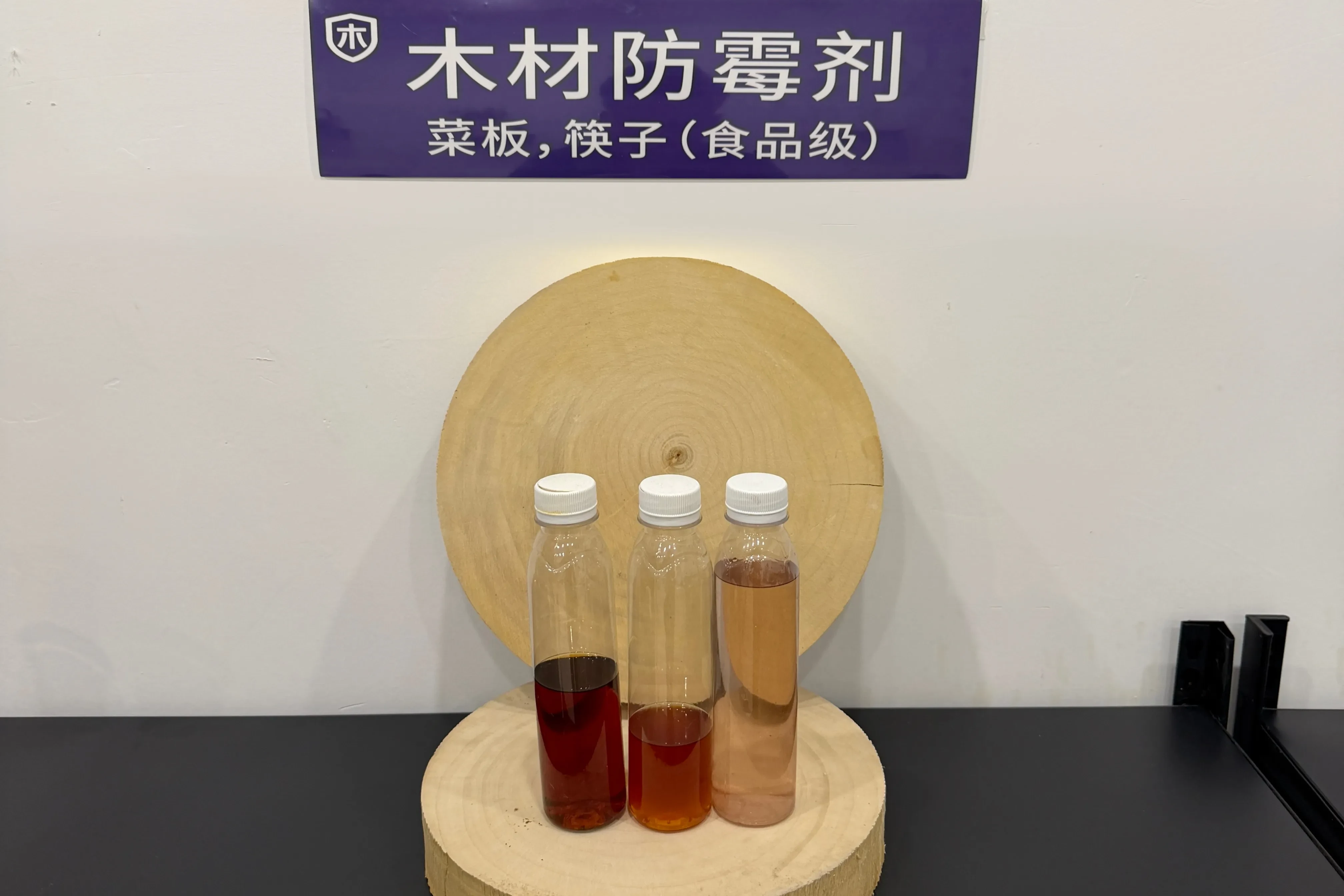
The anti-mold formula for cutting boards has passed safety testing for food-contact materials and is suitable for mold prevention on wooden items that directly contact food, such as cutting boards, chopping blocks, and wooden utensils. While its anti-mold mechanism aligns with industrial products, its raw material selection and residue controls meet food-grade standards.
Selection logic:For wood products intended for food contact, mold prevention options are non-negotiable: only certified products meeting relevant safety standards may be used. This is a compliance requirement, not an option.
Moldy Wood Treatment: Wood Mold Remover
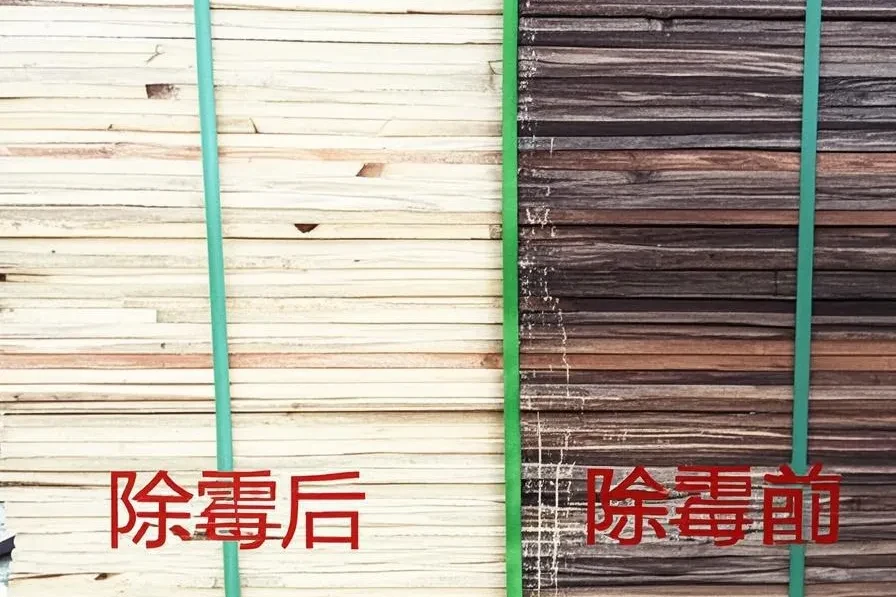
All aforementioned products are preventive treatments applied before mold develops. For wood already showing mold, blue stain, or blackening, existing mold must be removed first, followed by antifungal treatment.
Wood mold remover works on all wood types to eliminate mold. It breaks down mold hyphae and pigments to restore the wood's natural color. After treatment, apply a mold inhibitor for preventive protection against recurrence.
Selection logic:Mold removal treats existing mold; prevention stops it before it starts. Using both together creates a complete protection cycle.
Process Support: Fully Automated Wood Anti-mildew Machine
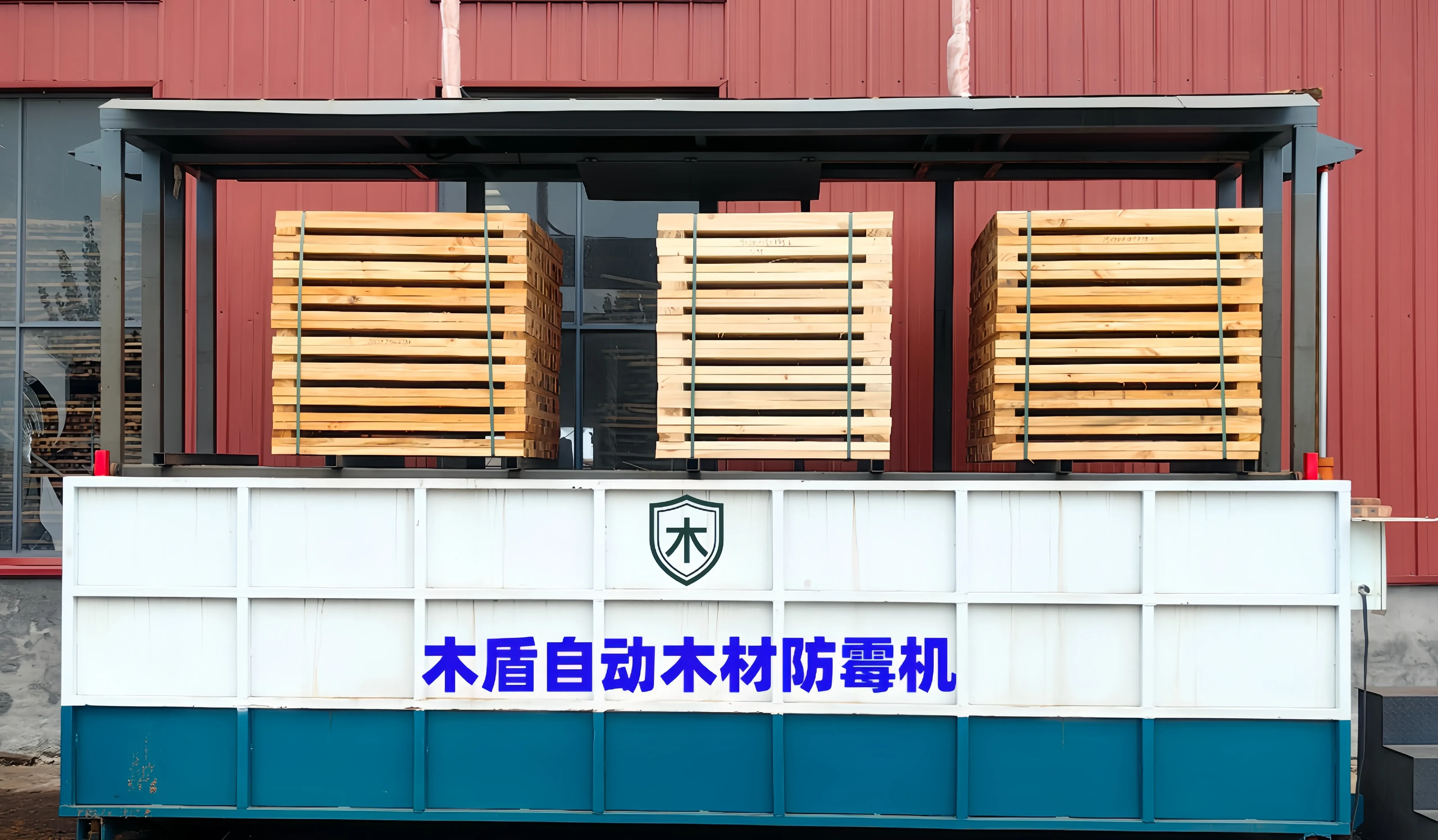
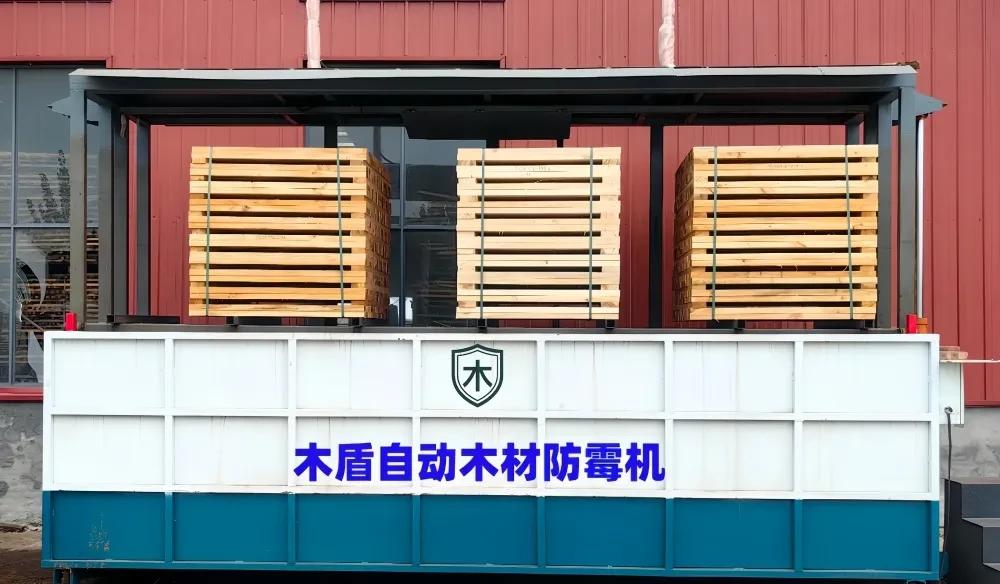
Manual soaking suits small-batch, high-mix production but struggles with efficiency and consistency at scale. Our fully automatic wood anti-mildew machine integrates soaking, draining, and conveying for continuous operation.
Ideal for batch production in pallet mills, plywood factories, and lumber processing plants. Program-controlled soaking time, chemical concentration, and circulation frequency ensure consistent treatment results across every batch.
Selection logic:When daily throughput exceeds a certain threshold or strict product consistency is required, the ROI of automation equipment is reflected in reduced labor costs and improved quality stability.
Summary: Core of the Selection Logic
Selecting a wood anti-mildew agent isn't a single-dimension comparison; it's a holistic match of material properties, application scenarios, environmental requirements, and budget. Use anti-mildew powder for pine and poplar, eco-friendly emulsion for furniture-grade lumber, add to glue for plywood, choose food-grade products for cutting boards, and apply a mildew remover first for already contaminated wood. Each path has defined process parameters and clear scope boundaries.
Understanding these boundaries prevents underperformance from misuse and avoids cost overruns from over-provisioning. Wood protection is about matching needs, not just adding more material.
Read More
Learn more about wood mold prevention, anti-corrosion, and blue stain removal.
Basics of Wood Mold Prevention
Wood mold is caused by the proliferation of mold spores under favorable conditions. Mold growth requires three essential elements: nutrients, moisture, and suitable temperatures. Wood contains abundant cellulose, hemicellulose, and lignin, which serve as natural nutrient sources for mold. When wood moisture content exceeds 20%, mold spores germinate on the wood surface, forming visible mold spots.
Different tree species have varying mold risks. According toChinese Academy of ForestryResearch shows that poplar, with its low density and large pores, absorbs water quickly but dries out rapidly. Pine species (such as Masson pine and Chinese white pine) contain high levels of resin; the oily layer hinders moisture evaporation, causing internal areas to remain highly humid for extended periods and significantly increasing the risk of mold. Select an appropriateWood Mold InhibitorConsider wood species, moisture content, and application scenario.
Wood Mold Inhibitor Selection Guide
When selecting a wood mildewcide, evaluate it across three key dimensions. Mildew efficacy testing can follow:GB/T 18261-2013 "Test Method for Evaluating the Efficacy of Fungicides Against Wood Mold and Discoloration Fungi"method. When selecting a product, penetration is the primary factor; the fungicide must penetrate deep into the wood to establish lasting protection. Water-based fungicides offer strong penetration and are ideal for immersion treatment. Powdered types require thorough dissolution before use, while emulsion types are best suited for surface spraying.
Next is environmental compliance. Exported products must meet the environmental regulations of the destination country, such as the EU's PPWR and import standards in Southeast Asian countries. Finally, consider the protection cycle. Different usage scenarios require different levels of durability; indoor wood storage and outdoor wooden pallets need entirely different protection ratings. MuDun anti-mildew agent provides a complete MSDS and test reports to support...Southeast Asia Foreign Trade Exports。
Wood Mold Prevention Construction Methods
In actual production, wood anti-mold agents are primarily applied using the immersion method. After diluting the agent with water according to the specified ratio, fully immerse the wood in the solution for 3-5 minutes to ensure thorough penetration into the wood interior. Once removed, drain excess solution. The wet wood can proceed directly to subsequent processing steps without waiting to dry.
For large timber or assembled wooden pallets and boards, surface treatment can be applied via spraying or brushing. Wear protective gloves and a mask during application, and ensure the work area is well-ventilated. Water absorption rates and oil content vary by wood species (e.g., poplar, pine, slash pine, larch, mixed hardwood), so adjust the chemical concentration and soaking time accordingly. Learn moreTechnical Solution。
Wood Export Mold Prevention Requirements
Wood products for export typically require mold prevention treatment and supporting technical documentation. Common compliance documents include MSDS (Material Safety Data Sheet), test reports, and declarations of conformity. Mold prevention requirements vary by country and region; the Southeast Asian market primarily focuses on PPWR regulation compliance. Learn moreExport Service Details。
Mildewproofing effect reference for wood mold inhibitorGB/T 18261The testing methods described herein provide comprehensive export compliance documentation, meeting environmental regulations of major Southeast Asian wood-importing countries such as Malaysia, Vietnam, Thailand, and Indonesia. Exporters may refer toState Forestry and Grassland AdministrationPublish the wood export guide, prepare relevant documents in advance, and ensure smooth customs inspection.