Wood Bleach: Usage Guidelines, Safety Precautions, and Post-Treatment Mold Prevention
Wood bleach is an effective tool for correcting color discrepancies and removing mold residue, but improper use can damage wood or create safety hazards. This guide outlines key precautions in three areas: ratio control, operational safety, and post-treatment steps to help operators use bleach safely and effectively.
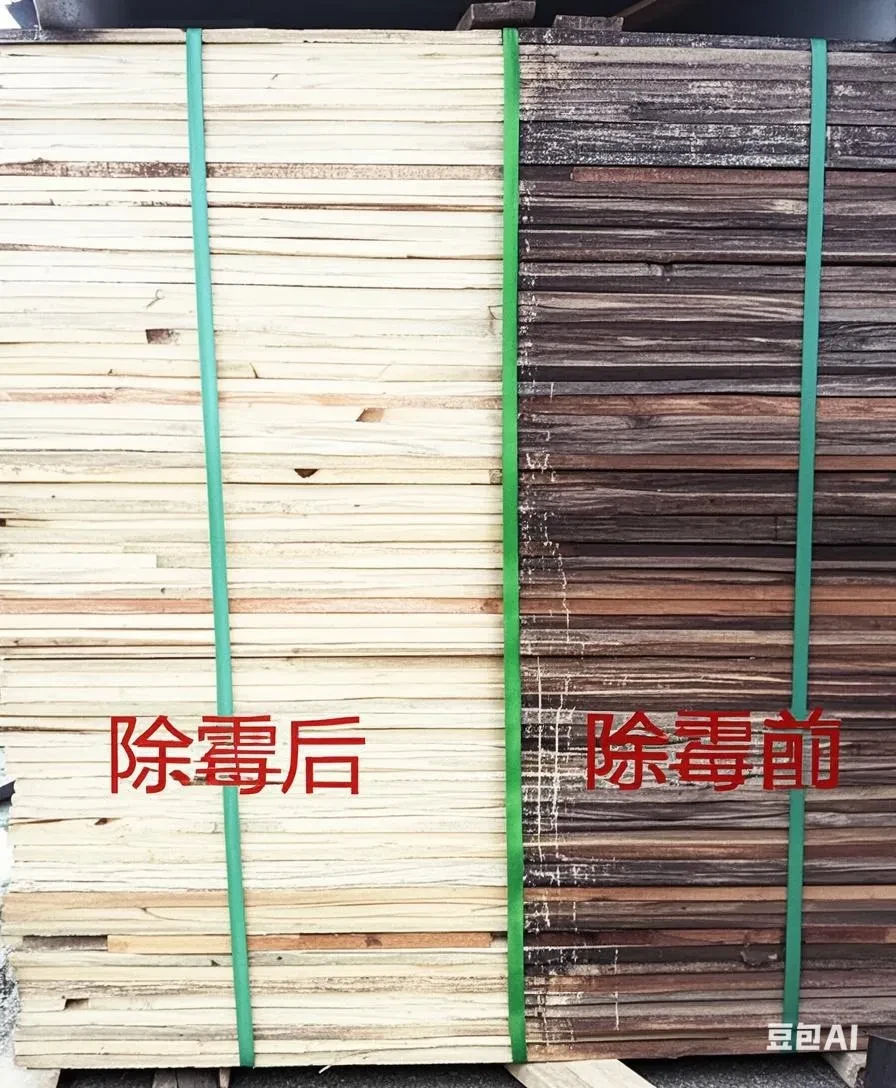
When using wood bleach, pay attention to three key aspects. **Ratio Control:** Hydrogen peroxide-based bleaches must be diluted strictly according to the instructions. Excessive concentration or prolonged soaking can degrade lignin and reduce wood strength; light-colored woods and thin panels are particularly sensitive. It is recommended to conduct a small-scale test on scrap material first to confirm the effect and color change before proceeding with batch processing. **Operational Safety:** Bleaches are oxidizing agents with mild corrosive properties. Operators must wear safety goggles, rubber gloves, and protective clothing, and ensure the work area is well-ventilated. Avoid direct skin contact with the chemicals. If splashed into eyes, rinse immediately with copious amounts of water and seek medical attention. Store away from ignition sources and reducing agents, keeping containers sealed and upright. **Post-Treatment:** After bleaching, rinse thoroughly with water or wipe off residual chemicals with a damp cloth. Dry completely until the moisture content is below 18%. Bleaching temporarily opens the wood fiber structure, making exposed fresh fibers more susceptible to moisture absorption and mold growth than untreated wood. Therefore, a preventive anti-mold treatment is mandatory after bleaching. This critical step is often overlooked by factories and is a primary cause of mold reappearing shortly after treatment. For exported handicrafts and unfinished light-colored furniture, opt for low-concentration, multi-pass treatments. It is better to proceed slowly than to rush; this approach yields more uniform results and ensures greater safety. — Suqian Mudun New Material Technology Co., Ltd.
Read More
Learn more about wood mold prevention, anti-corrosion, and blue stain removal.
Basics of Wood Mold Prevention
Wood mold is caused by the proliferation of mold spores under favorable conditions. Mold growth requires three essential elements: nutrients, moisture, and suitable temperatures. Wood contains abundant cellulose, hemicellulose, and lignin, which serve as natural nutrient sources for mold. When wood moisture content exceeds 20%, mold spores germinate on the wood surface, forming visible mold spots.
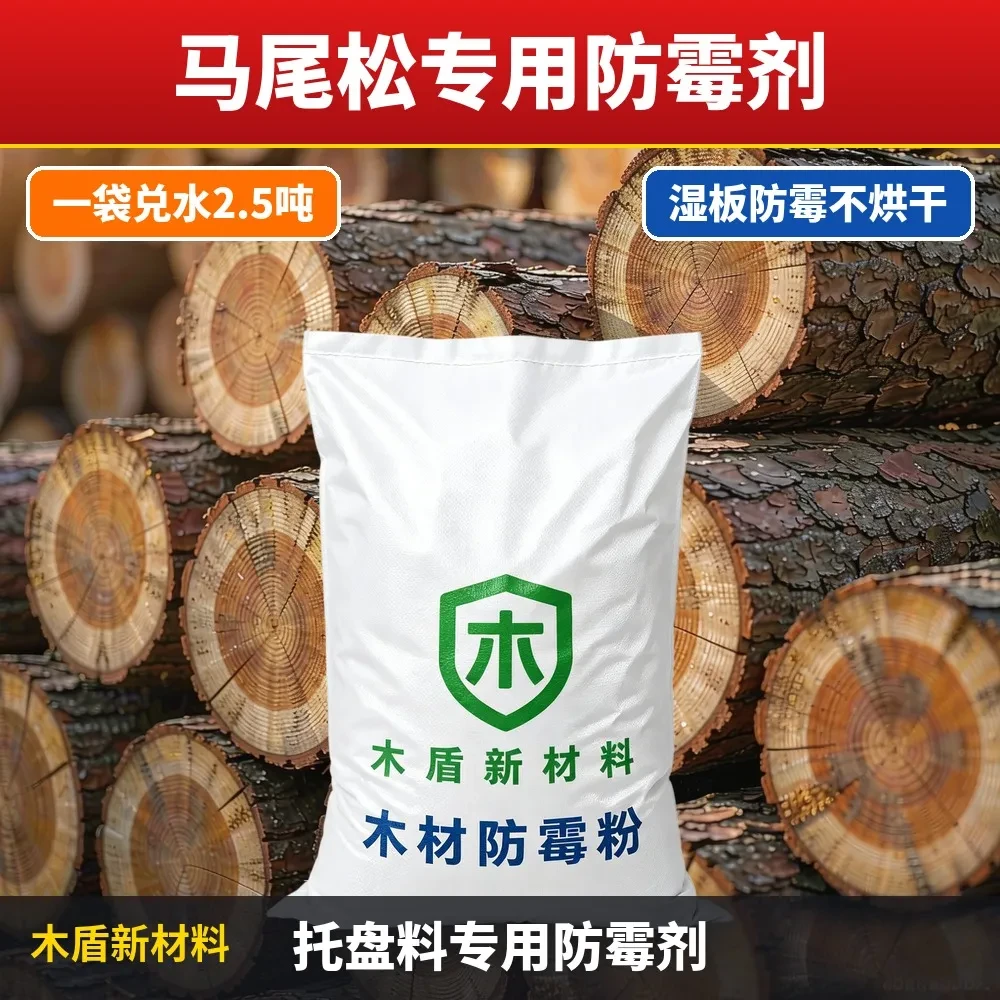
Different tree species have varying mold risks. According toChinese Academy of ForestryResearch shows that poplar, with its low density and large pores, absorbs water quickly but dries out rapidly. Pine species (such as Masson pine and Chinese white pine) contain high levels of resin; the oily layer hinders moisture evaporation, causing internal areas to remain highly humid for extended periods and significantly increasing the risk of mold. Select an appropriateWood Mold InhibitorConsider wood species, moisture content, and application scenario.
Wood Mold Inhibitor Selection Guide
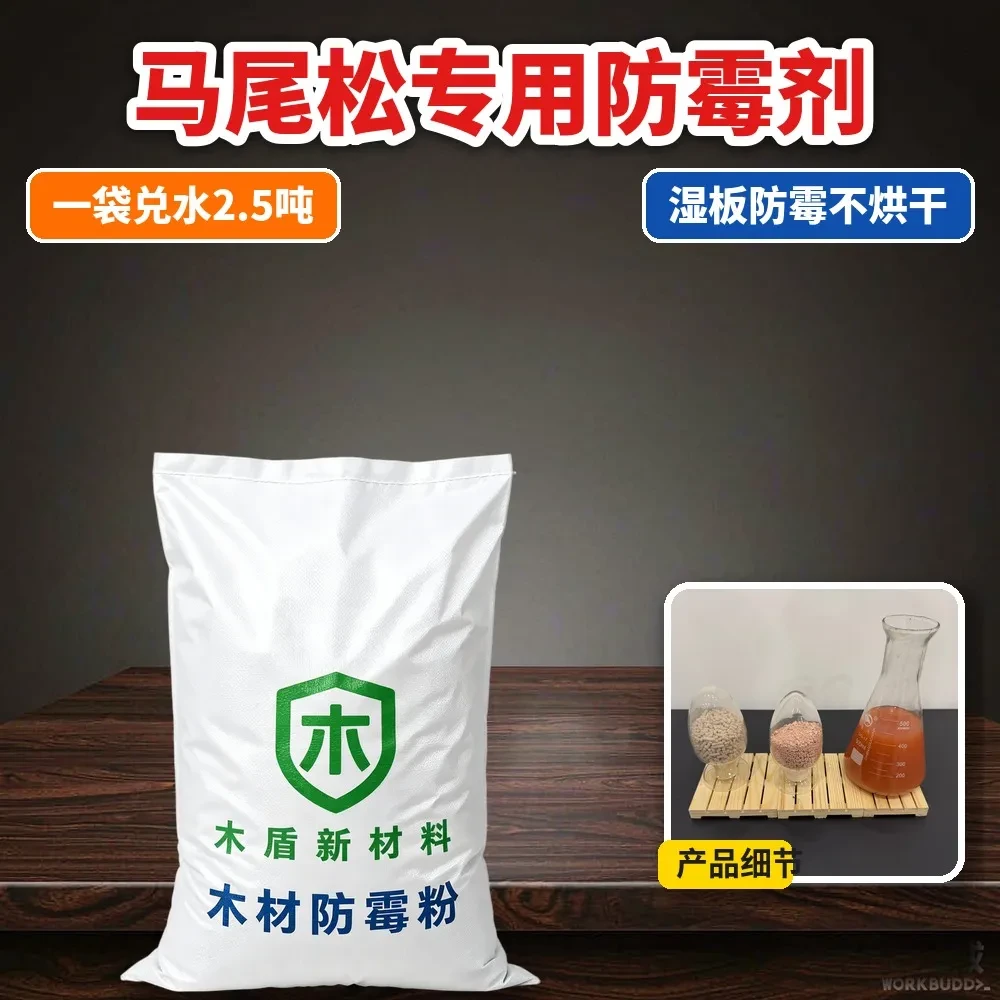
When selecting a wood mildewcide, evaluate it across three key dimensions. Mildew efficacy testing can follow:GB/T 18261-2013 "Test Method for Evaluating the Efficacy of Fungicides Against Wood Mold and Discoloration Fungi"method. When selecting a product, penetration is the primary factor; the fungicide must penetrate deep into the wood to establish lasting protection. Water-based fungicides offer strong penetration and are ideal for immersion treatment. Powdered types require thorough dissolution before use, while emulsion types are best suited for surface spraying.
Next is environmental compliance. Exported products must meet the environmental regulations of the destination country, such as the EU's PPWR and import standards in Southeast Asian countries. Finally, consider the protection cycle. Different usage scenarios require different levels of durability; indoor wood storage and outdoor wooden pallets need entirely different protection ratings. MuDun anti-mildew agent provides a complete MSDS and test reports to support...Southeast Asia Foreign Trade Exports。
Wood Mold Prevention Construction Methods
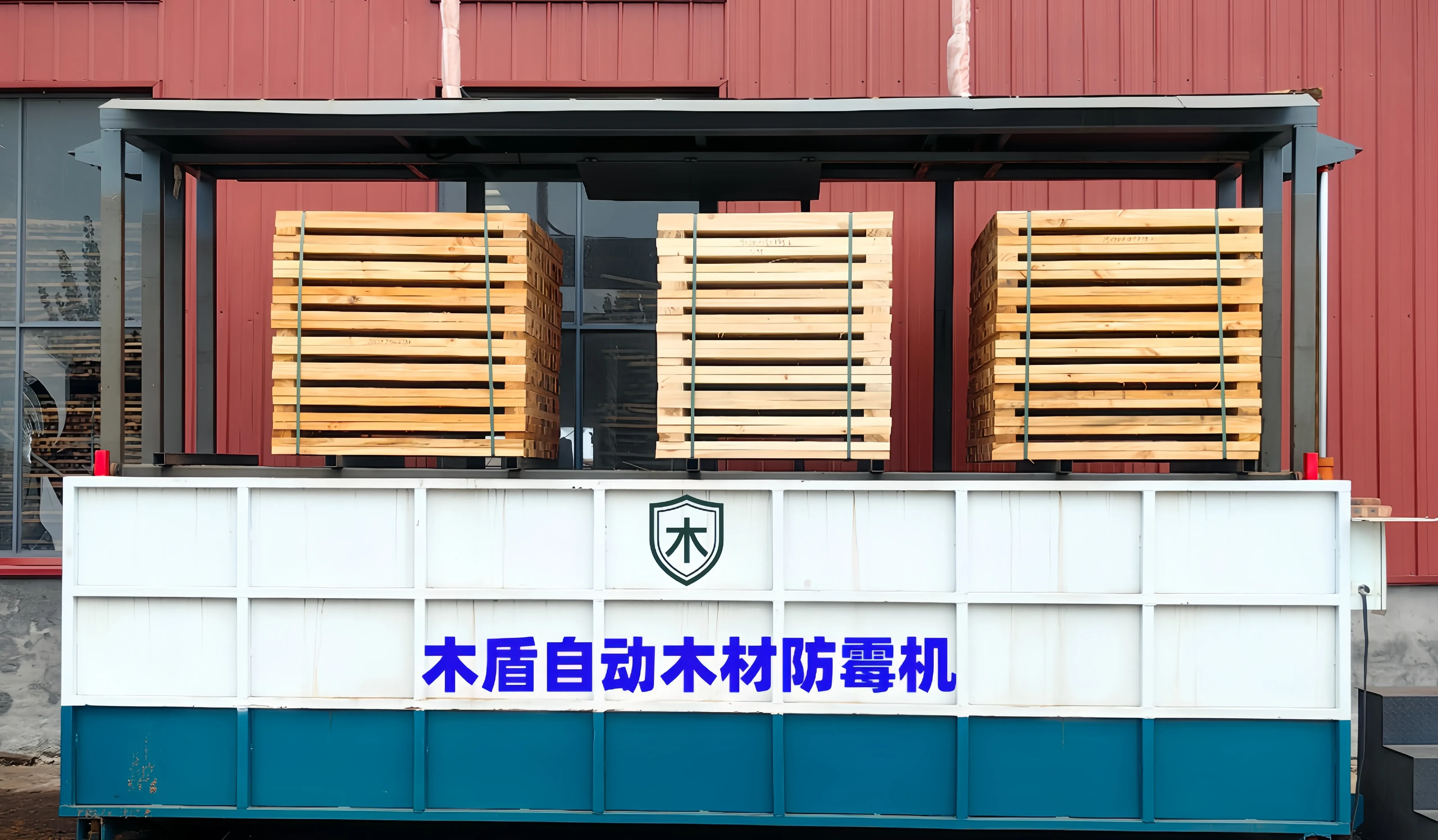
In actual production, wood anti-mold agents are primarily applied using the immersion method. After diluting the agent with water according to the specified ratio, fully immerse the wood in the solution for 3-5 minutes to ensure thorough penetration into the wood interior. Once removed, drain excess solution. The wet wood can proceed directly to subsequent processing steps without waiting to dry.
For large timber or assembled wooden pallets and boards, surface treatment can be applied via spraying or brushing. Wear protective gloves and a mask during application, and ensure the work area is well-ventilated. Water absorption rates and oil content vary by wood species (e.g., poplar, pine, slash pine, larch, mixed hardwood), so adjust the chemical concentration and soaking time accordingly. Learn moreTechnical Solution。
Wood Export Mold Prevention Requirements
Wood products for export typically require mold prevention treatment and supporting technical documentation. Common compliance documents include MSDS (Material Safety Data Sheet), test reports, and declarations of conformity. Mold prevention requirements vary by country and region; the Southeast Asian market primarily focuses on PPWR regulation compliance. Learn moreExport Service Details。
Mildewproofing effect reference for wood mold inhibitorGB/T 18261The testing methods described herein provide comprehensive export compliance documentation, meeting environmental regulations of major Southeast Asian wood-importing countries such as Malaysia, Vietnam, Thailand, and Indonesia. Exporters may refer toState Forestry and Grassland AdministrationPublish the wood export guide, prepare relevant documents in advance, and ensure smooth customs inspection.