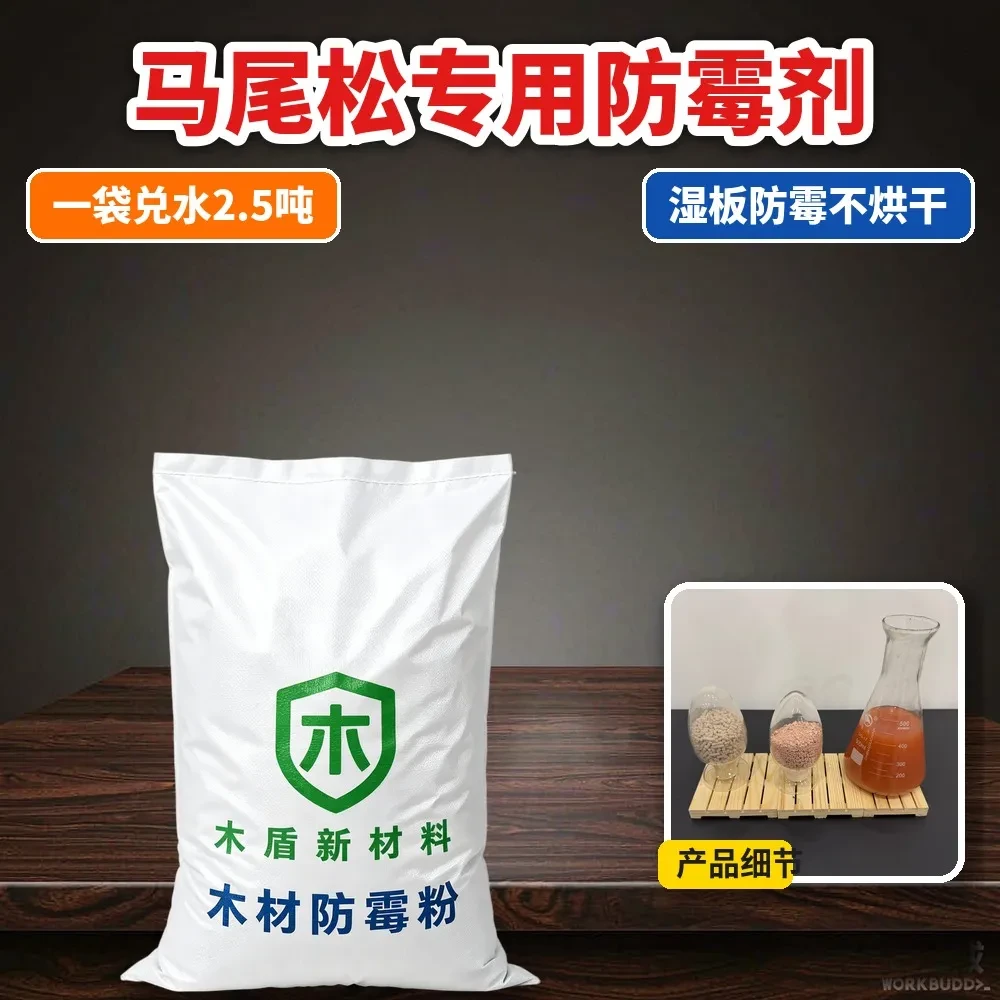
Comparison of Pros and Cons for Soaking, Spraying, and Brushing Wood Anti-Mold Agents: Matching Production Line Scenarios
The same wood preservative yields significant differences in penetration depth, chemical utilization rate, and production line throughput depending on the application method. Based on industry best practices, this article compares three mainstream techniques—immersion, spraying, and brushing—and outlines their ideal production scenarios to guide wood processing companies in selecting the right process.
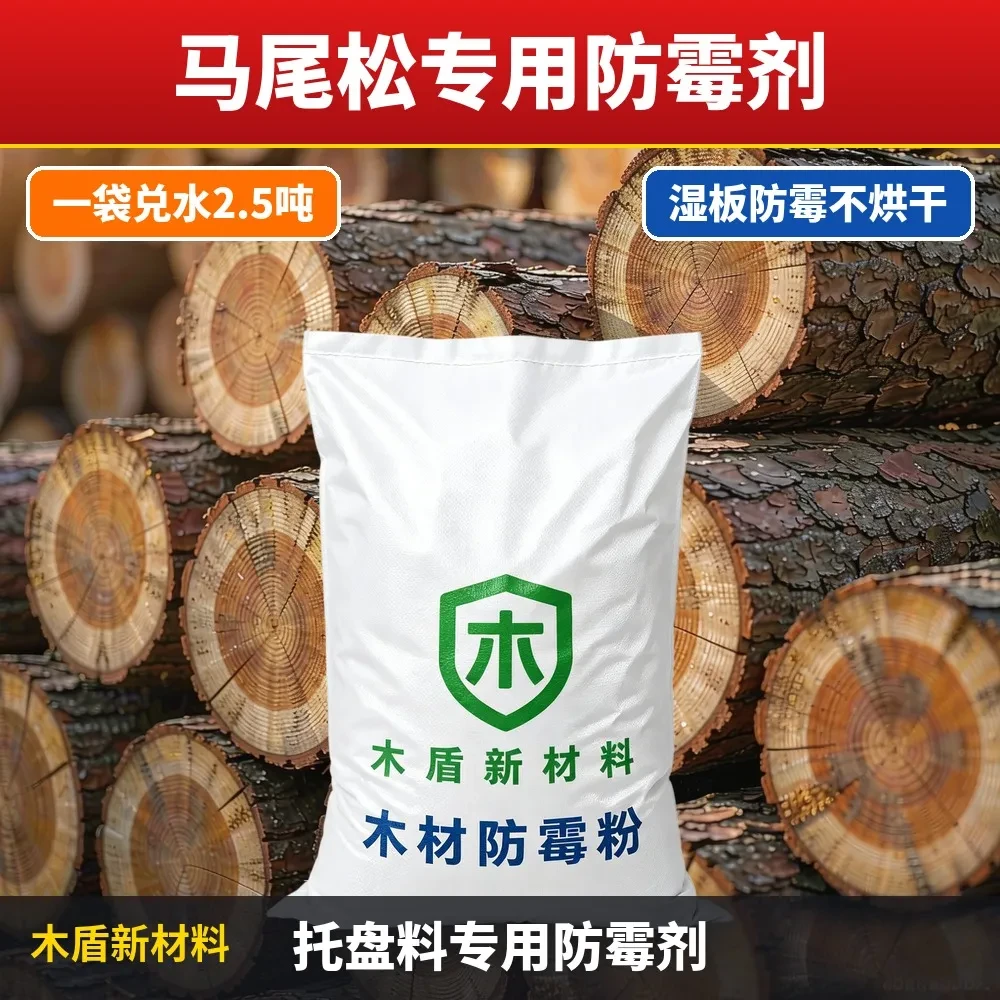
The final effectiveness of wood anti-mold treatment depends on how well the chemical formulation matches the application process. Even with the same Wood Shield anti-mold agent, different application methods result in significant variations in penetration depth, chemical utilization rate, and line throughput. Based on industry best practices, this article compares three mainstream processes—immersion, spraying, and brushing—detailing their respective production line requirements to guide wood processing enterprises in selecting the optimal method.
Immersion Method: The most thorough penetration process
The immersion method involves fully submerging wood in a prepared mildew-proofing solution. The preservative penetrates the wood's interior through hydrostatic pressure and capillary action. According to LY/T 2080-2013 "Technical Specifications for Wood Mildew Prevention Treatment," immersion is the recommended standard construction process.
The core advantage of this process is uniform penetration. All six sides of the wood are exposed to the treatment solution, allowing chemicals to penetrate deeply into the vessels and tracheids. For high-absorption species like poplar and mixed hardwoods, an immersion time of 3-5 minutes achieves effective chemical loading. For high-oil species such as Chinese pine and Mongolian Scots pine, use a degreasing penetrant and extend the immersion time to 5-10 minutes.
The limitations of the soaking method lie in two areas. First, it requires dedicated soaking tanks or vats, consuming significant floor space and imposing strict requirements on production line layout. Second, treated wood retains a high moisture content, often necessitating additional drying or air-drying steps downstream. The Wood Shield anti-mold agent's wet-wood no-dry solution mitigates this issue; its specialized formula maintains penetration even at high moisture levels, eliminating the need for air-drying.
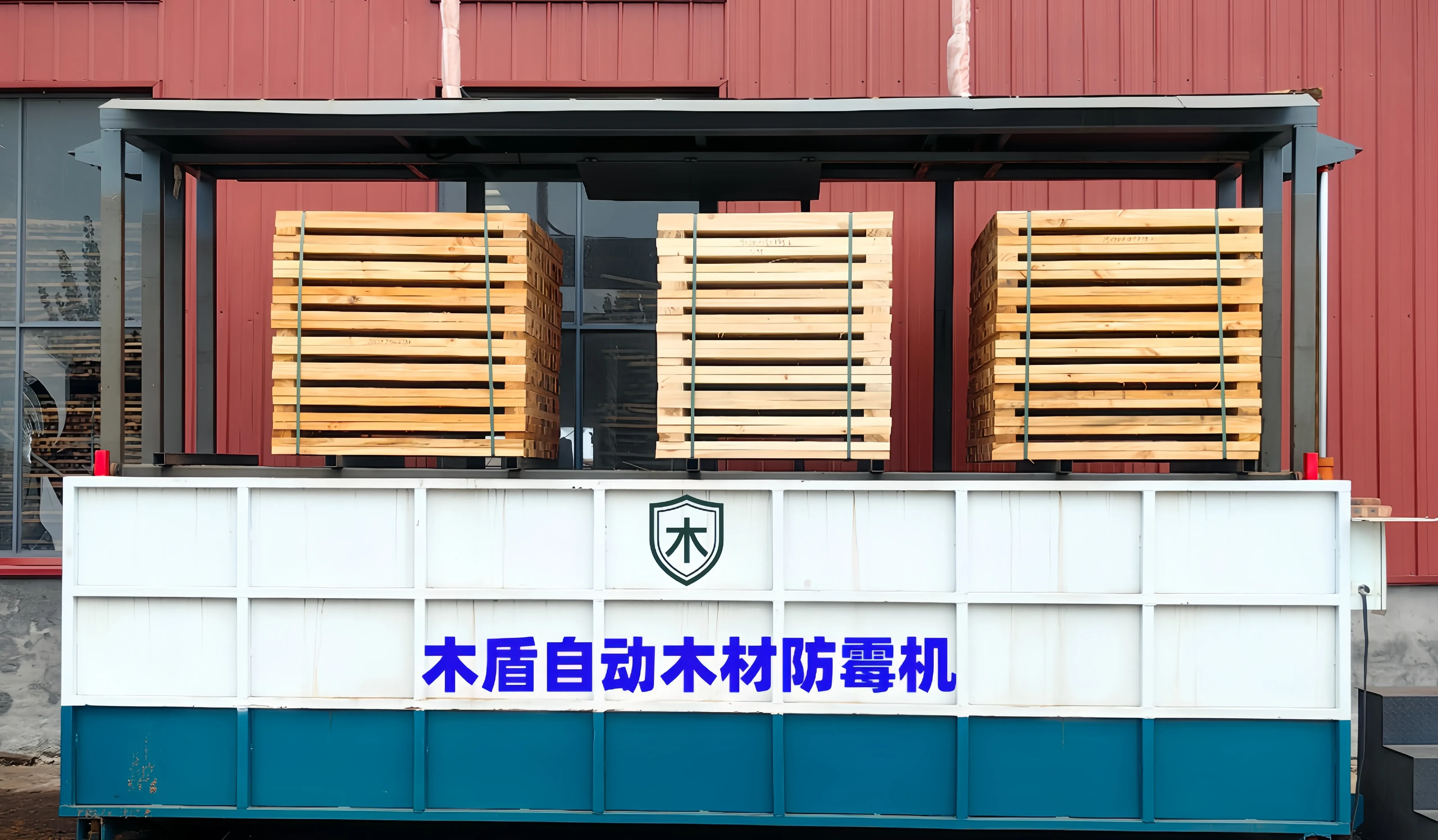
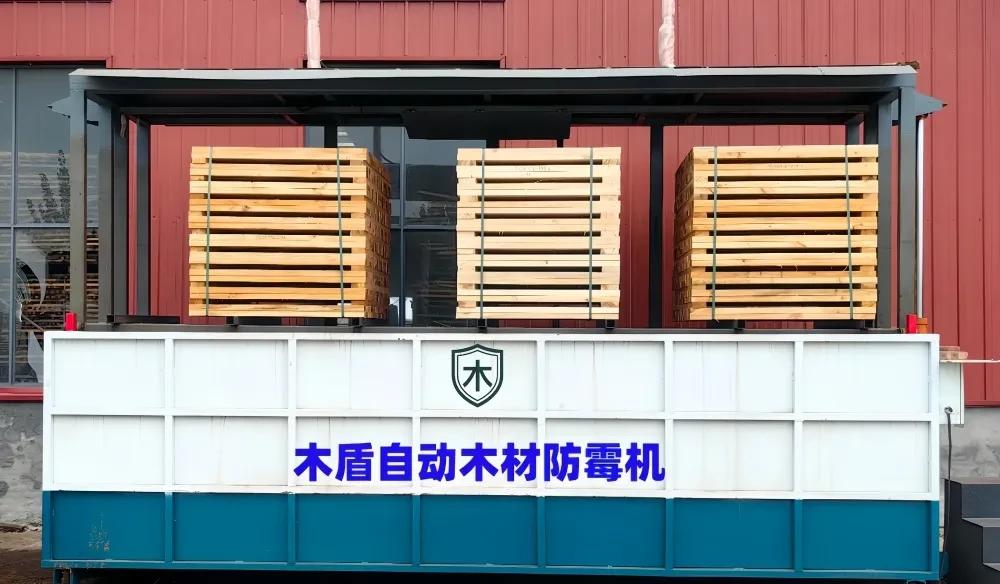
The immersion method is suitable for production lines with high volume and consistent wood specifications, such as wooden pallet mass production lines, lumber processing plants, and mosquito coil sawdust factories. These lines typically feature fully automatic anti-mold machines to enable continuous operations including soaking, draining, and conveying.
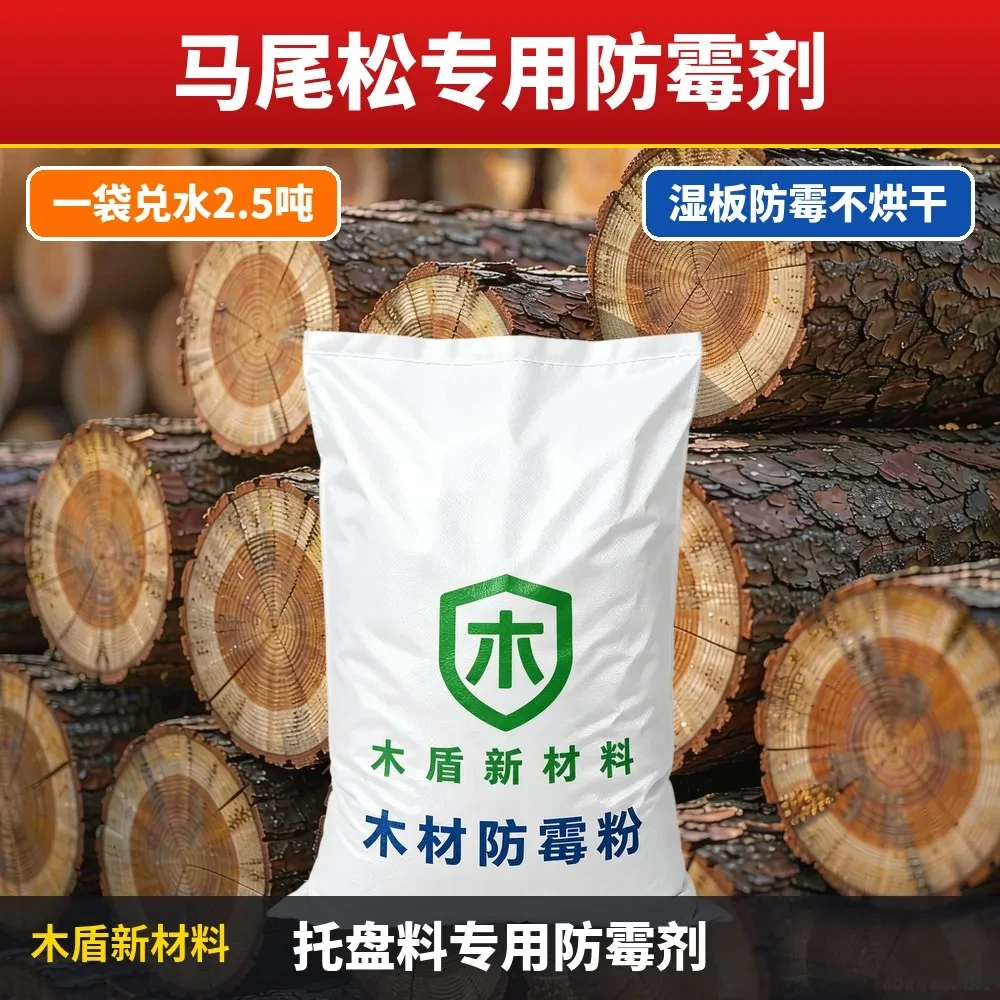
Spray Method: Choosing Between Large Components and Online Processing
The spray method atomizes the antifungal solution via a pump system and sprays it onto the wood surface. The treatment adheres as droplets and penetrates into the wood through gravity and capillary action.
The spray method offers advantages in equipment flexibility and production line adaptability. The spraying unit can be mounted above the conveyor belt to treat wood continuously as it passes through, without interrupting production flow. For large or irregularly shaped timber that cannot be immersed in a soaking tank—such as heavy-duty pallets or long lumber—the spray method is the only viable mechanized application option. Regarding chemical utilization, the spray method consumes less chemical per unit than immersion but achieves shallower penetration depth; protection is primarily achieved through surface adhesion of the treatment layer.
The spray method is limited by uneven penetration caused by spray angle, pressure, and wood stacking. If stacked too densely, overlapping areas may not receive adequate chemical coverage, creating untreated zones. In practice, ensure wood passes through the spray zone in a single layer or use multi-angle nozzle arrays.
The spray method is suitable for production lines such as finished goods handling at large-scale wood pallet factories, surface treatment of plywood in multi-layer board plants, and on-site processing at ports for Southeast Asian timber exports. These scenarios typically require fast processing speeds, mobile equipment, or compatibility with existing conveyor systems.
Brush Application: Supplementary solution for small batches and localized treatments
The brush-and-roller method applies the mildewcide directly to the wood surface using a brush or roller. It is the most basic application technique.
The brush application method offers the advantage of minimal equipment investment, eliminating the need for immersion tanks or spray systems. It is ideal for small-batch processing or spot treatments. For on-site anti-mold treatment of installed wood, sample production, and rework repair scenarios, the brush method provides unmatched flexibility.
The limitations of the brush application method are equally clear. First, it relies heavily on manual labor and offers significantly lower efficiency compared to immersion or spray methods, making it unsuitable for mass production. Second, coating thickness and uniformity depend on operator expertise; moreover, chemical penetration is shallowest, resulting in a shorter protective lifespan. Third, adhesion decreases on rough surfaces or wood containing sawdust, compromising mold resistance.
The brush application method is suitable for scenarios such as intermittent treatment in small wood product workshops, localized anti-mold touch-ups on finished furniture, and inventory maintenance treatments in wood warehouses. These scenarios involve low processing volumes, diverse wood specifications, and sensitivity to equipment investment.
Selection logic for three processes
Key factors for process selection include: throughput, wood specifications, line automation level, downstream process integration, and total cost.
For high-volume lines with uniform wood specifications, prioritize the soaking method paired with a fully automated anti-mildew machine for the lowest unit cost and optimal penetration. For high-volume scenarios where dimensions exceed soaking limits, use the spray method to enable continuous online treatment. For low-volume or flexible touch-up needs, the brushing method is the most economical solution.
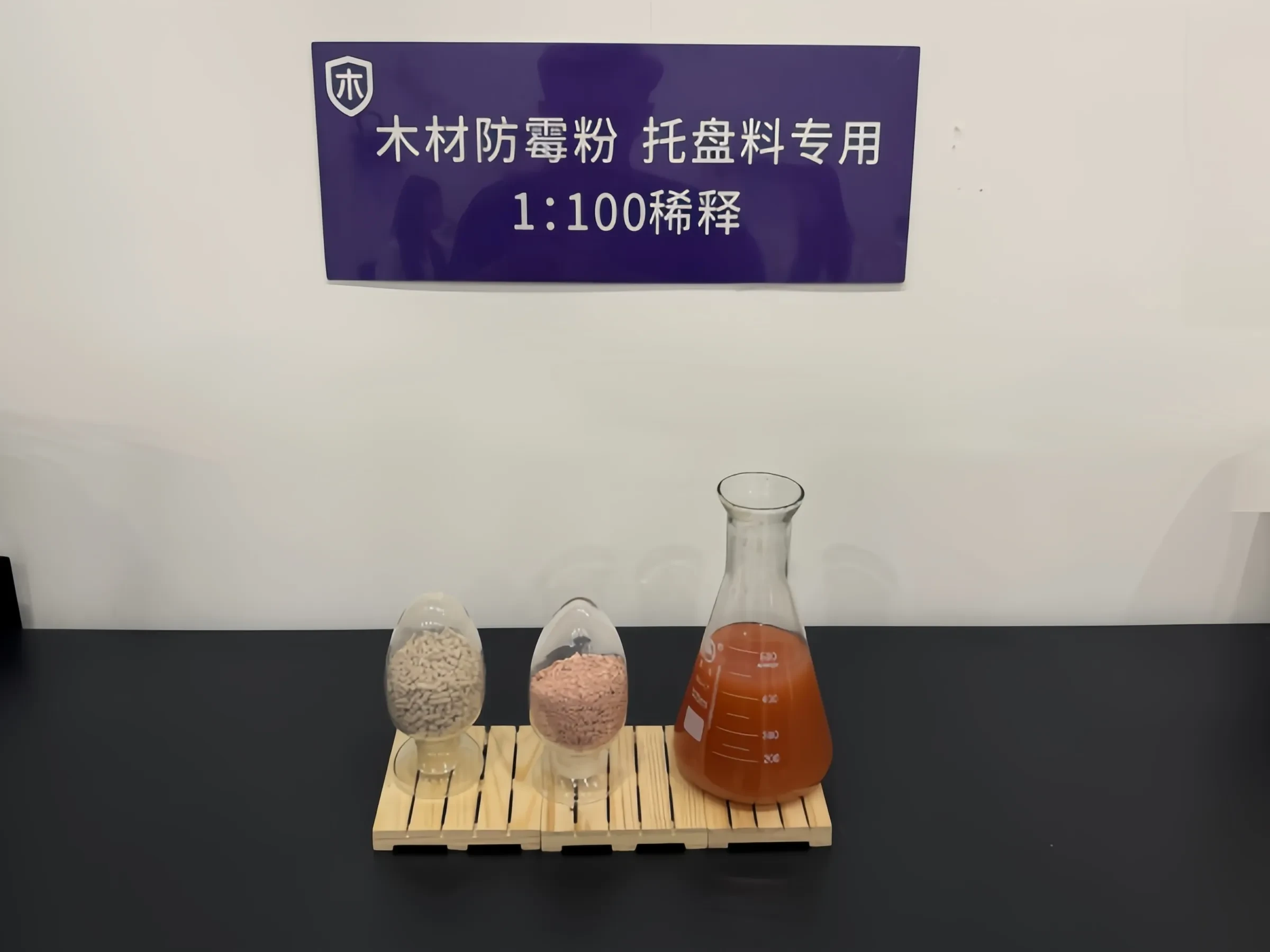
From a formulation compatibility perspective, the liquid wood preservative is suitable for soaking and spraying. The powder form must be fully dissolved before use in soaking applications, while the emulsion type is designed for spraying. High-oil-content woods (such as Masson pine and Chinese pine) require specialized formulas containing degreasing agents and penetration enhancers. Poplar and mixed hardwoods can use standard liquid formulations with a dilution ratio of 1:50-1:100.
Export-oriented businesses must also consider compliance requirements. Regardless of the process used, ensure that the treated wood meets environmental standards in target markets: Southeast Asian markets require PPWR compliance, while EU markets must comply with REACH regulations and provide MSDS and third-party test reports.
Conclusion
Soaking, spraying, and brushing each have distinct technical and economic boundaries. The essence of process selection lies in balancing penetration effectiveness, treatment efficiency, and equipment investment. Before finalizing a construction plan, wood processing enterprises should comprehensively evaluate their production line's throughput, wood species and dimensions, automation level, and export compliance requirements to select the method that best matches their operational characteristics.
Read More
Learn more about wood mold prevention, anti-corrosion, and blue stain removal.
Basics of Wood Mold Prevention
Wood mold is caused by the proliferation of mold spores under favorable conditions. Mold growth requires three essential elements: nutrients, moisture, and suitable temperatures. Wood contains abundant cellulose, hemicellulose, and lignin, which serve as natural nutrient sources for mold. When wood moisture content exceeds 20%, mold spores germinate on the wood surface, forming visible mold spots.
Different tree species have varying mold risks. According toChinese Academy of ForestryResearch shows that poplar, with its low density and large pores, absorbs water quickly but dries out rapidly. Pine species (such as Masson pine and Chinese white pine) contain high levels of resin; the oily layer hinders moisture evaporation, causing internal areas to remain highly humid for extended periods and significantly increasing the risk of mold. Select an appropriateWood Mold InhibitorConsider wood species, moisture content, and application scenario.
Wood Mold Inhibitor Selection Guide
When selecting a wood mildewcide, evaluate it across three key dimensions. Mildew efficacy testing can follow:GB/T 18261-2013 "Test Method for Evaluating the Efficacy of Fungicides Against Wood Mold and Discoloration Fungi"method. When selecting a product, penetration is the primary factor; the fungicide must penetrate deep into the wood to establish lasting protection. Water-based fungicides offer strong penetration and are ideal for immersion treatment. Powdered types require thorough dissolution before use, while emulsion types are best suited for surface spraying.
Next is environmental compliance. Exported products must meet the environmental regulations of the destination country, such as the EU's PPWR and import standards in Southeast Asian countries. Finally, consider the protection cycle. Different usage scenarios require different levels of durability; indoor wood storage and outdoor wooden pallets need entirely different protection ratings. MuDun anti-mildew agent provides a complete MSDS and test reports to support...Southeast Asia Foreign Trade Exports。
Wood Mold Prevention Construction Methods
In actual production, wood anti-mold agents are primarily applied using the immersion method. After diluting the agent with water according to the specified ratio, fully immerse the wood in the solution for 3-5 minutes to ensure thorough penetration into the wood interior. Once removed, drain excess solution. The wet wood can proceed directly to subsequent processing steps without waiting to dry.
For large timber or assembled wooden pallets and boards, surface treatment can be applied via spraying or brushing. Wear protective gloves and a mask during application, and ensure the work area is well-ventilated. Water absorption rates and oil content vary by wood species (e.g., poplar, pine, slash pine, larch, mixed hardwood), so adjust the chemical concentration and soaking time accordingly. Learn moreTechnical Solution。
Wood Export Mold Prevention Requirements
Wood products for export typically require mold prevention treatment and supporting technical documentation. Common compliance documents include MSDS (Material Safety Data Sheet), test reports, and declarations of conformity. Mold prevention requirements vary by country and region; the Southeast Asian market primarily focuses on PPWR regulation compliance. Learn moreExport Service Details。
Mildewproofing effect reference for wood mold inhibitorGB/T 18261The testing methods described herein provide comprehensive export compliance documentation, meeting environmental regulations of major Southeast Asian wood-importing countries such as Malaysia, Vietnam, Thailand, and Indonesia. Exporters may refer toState Forestry and Grassland AdministrationPublish the wood export guide, prepare relevant documents in advance, and ensure smooth customs inspection.